Why The Metro Hotel matters.
The Metro Hotel is an art-filled hotel where the Divisadero Corridor's independent creative culture meets the Soulis family's four-decade stewardship through a restored Victorian-era building, Ted Soulis paintings and a mature garden cultivated as part of the property itself.
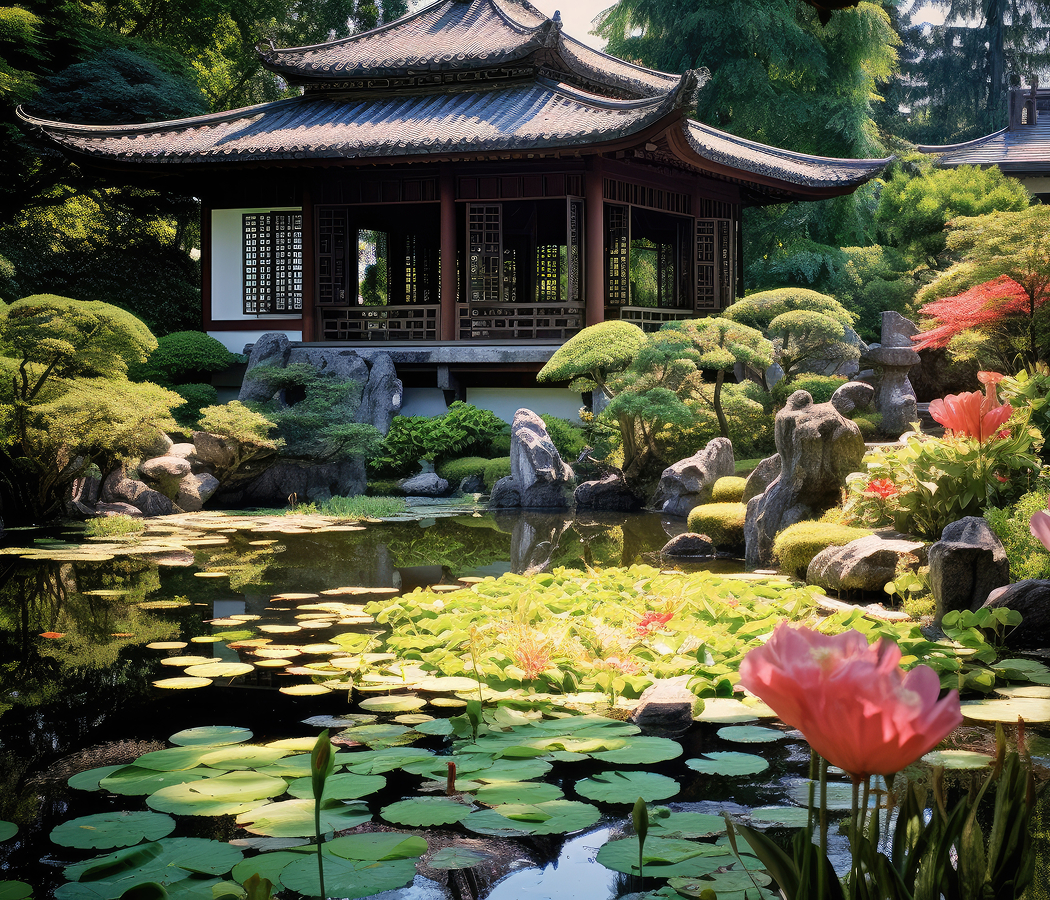
Set along Divisadero Street near Page Street and just steps from the Panhandle, the hotel occupies the Divisadero Corridor between Lower Haight's storefronts to the south, Alamo Square's Victorian blocks to the east and the neighborhood streets extending west toward Haight-Ashbury and Golden Gate Park. The narrow multi-story building preserves the compact proportions, irregular layouts and stair circulation inherited from its earlier construction. Original architectural details coexist with contemporary furnishings, Revival New York linens and C.O. Bigelow bath products across individually arranged interiors. A mature rear garden creates a secluded outdoor counterpart to Divisadero Street, with dense planting and Galanter & Jones heated furniture extending the property beyond its historic shell. The result is a hotel whose intimate architecture, family art collection and established garden translate four decades of independent ownership into a distinctly personal expression of the Divisadero Corridor.
What defines The Metro Hotel.
The Metro Hotel is best known for Ted and Elle Soulis's 1985 rescue of a fire-damaged former single-room-occupancy property and its subsequent evolution into a family-run hotel shaped by Ted's life as a San Francisco artist. The couple acquired the Divisadero Street building after other entrepreneurial ventures and established The Metro that year. Ted was a San Francisco native, and Elle had moved west from Chicago after college before the couple met, married and raised daughters Shana and Sabrina in the city. Ted studied at the San Francisco Art Institute during the early 1960s and continued painting throughout his life, creating a substantial body of work that eventually became integral to the hotel. Original Soulis paintings occupy the property's interiors, giving the family collection a permanent public setting inside the business he founded. The couple also planted the rear garden early in their ownership, allowing decades of growth to transform the back of the narrow urban parcel into a mature landscape. Ted died in 2007, leaving the hotel and artwork as interconnected parts of the family legacy. Elle continued the business with Shana and Sabrina, sustaining ownership across another generation. A 2020 closure created an opportunity for interior renovation, including new paint and furniture. That work coincided with an extraordinary episode involving 120 Ted Soulis paintings removed for safekeeping during construction, stolen inside a U-Haul and subsequently recovered. The family later continued refining the property with new linens, furnishings and additional displays of Ted's art. Select interiors also contain murals by former front-desk host Matt Clinard, extending the artistic program beyond the founder to another person directly connected with the hotel. The Metro Hotel derives its significance from unusually sustained family authorship, with ownership, restoration, painting, gardening and generational succession developing together since 1985 inside a single Divisadero Street property.
Esme gives the building a separate culinary chapter through chef and restaurateur Susan Dunn's first solo restaurant, opened in June 2026 inside the former Ragazza space adjoining the hotel. Dunn entered the project after building her San Francisco career at Pizzetta 211 and as a co-founder of Pearl 6101, alongside ownership of Paladar 511 in New Orleans. Time spent studying in Paris supplied the foundation for a French bistro direction grounded in California agriculture. Nate Arnegard joined as chef de cuisine after work at Flour + Water and Penny Roma, adding another San Francisco pasta lineage to the kitchen. Rillettes, charcuterie and steak frites establish recognizable French forms across the menu. Roast chicken with sweet-corn polenta, grilled halloumi with stone fruit and cappelletti with peas move the cooking toward California's seasonal produce. Cowgirl Creamery and Point Reyes Farmstead Cheese connect the cheese program directly with Northern California producers. Dunn revived a strawberry mascarpone tart from Pearl 6101, carrying a preparation from her earlier restaurant partnership into the new independent venture. Wine director Andre Sydnor developed a list with a pronounced Loire Valley component, extending the French orientation through the beverage program. Art Deco references shape the intimate dining room through globe pendant lights and burgundy leather banquettes. A salon-style wall displays Bay Area work sourced through Lost Art Salon, giving the restaurant an artistic counterpart to Ted Soulis's paintings elsewhere in the building. Redwood benches extend Esme into the rear patio, physically joining Dunn's restaurant with the garden cultivated by the Soulis family. Esme brings a new generation of independent San Francisco hospitality into The Metro Hotel, connecting Dunn's French-Californian cooking with the family-owned building and garden that have developed along Divisadero Street since 1985.
How The Metro Hotel fits.
The Metro Hotel works as an anchor for an outing connecting San Francisco's oldest municipal park, its long tradition of community arts education and the Victorian glasshouse that became Golden Gate Park's first formal structure.
Begin at Buena Vista Park, established as Hill Park in 1867 on elevated terrain selected for its commanding perspectives across the growing city. The property became San Francisco's oldest park within the municipal park system and received the Buena Vista name in 1894. John McLaren supervised tree planting that same year, beginning the transformation of the exposed hill into a wooded urban landscape. Works Progress Administration crews added stone walls, drainage infrastructure and erosion-control improvements during the 1930s. Fragments of cemetery headstones subsequently entered some park gutters and drainage channels after San Francisco removed most of its cemeteries and repurposed unclaimed stone during the early twentieth century. Continue to Harvey Milk Center for the Arts, whose Duboce Park site had hosted children's puppet shows and storytelling by women from the San Francisco Urban Story League during the 1920s. The building was constructed in 1954 as Drama, Dance & Music, headquarters for the Recreation and Park Department's Performing Arts Division. Harvey Milk Photo Center occupies its lower level and traces its own institutional history to a community photography facility founded in 1940. That program became the oldest and largest community wet darkroom in the United States, adding photography to the center's dance, visual-art and performance traditions. Conclude at Conservatory of Flowers, whose prefabricated glasshouse was ordered by James Lick but remained packed in crates when he died in 1876. San Francisco businessmen purchased the kit in 1878 and donated it for construction in Golden Gate Park. The conservatory opened in 1879 as the park's first formal structure, and a fire four years later led to replacement of its original dome with a taller version. A severe 1995 storm damaged the aging building and plant collection, prompting a five-year, $25 million reconstruction completed in 2003. The progression moves from Buena Vista Park's nineteenth-century creation and McLaren-era landscape through Harvey Milk Center for the Arts' decades of community creative education and culminates in Conservatory of Flowers' preservation of an extraordinary Victorian glasshouse at the eastern end of Golden Gate Park.
Where your story begins.
Foresyte Travel reveals places that feel extraordinary long before you arrive.
Enjoy editorial crafted for luxury travelers.
Foresyte may earn a commission when you book.