Why you should experience The Panhandle in San Francisco, California.
The Panhandle is a beloved linear park where Haight-Ashbury's countercultural legacy, neighborhood vitality, urban recreation, and enduring community spirit create one of San Francisco's most cherished green corridors.
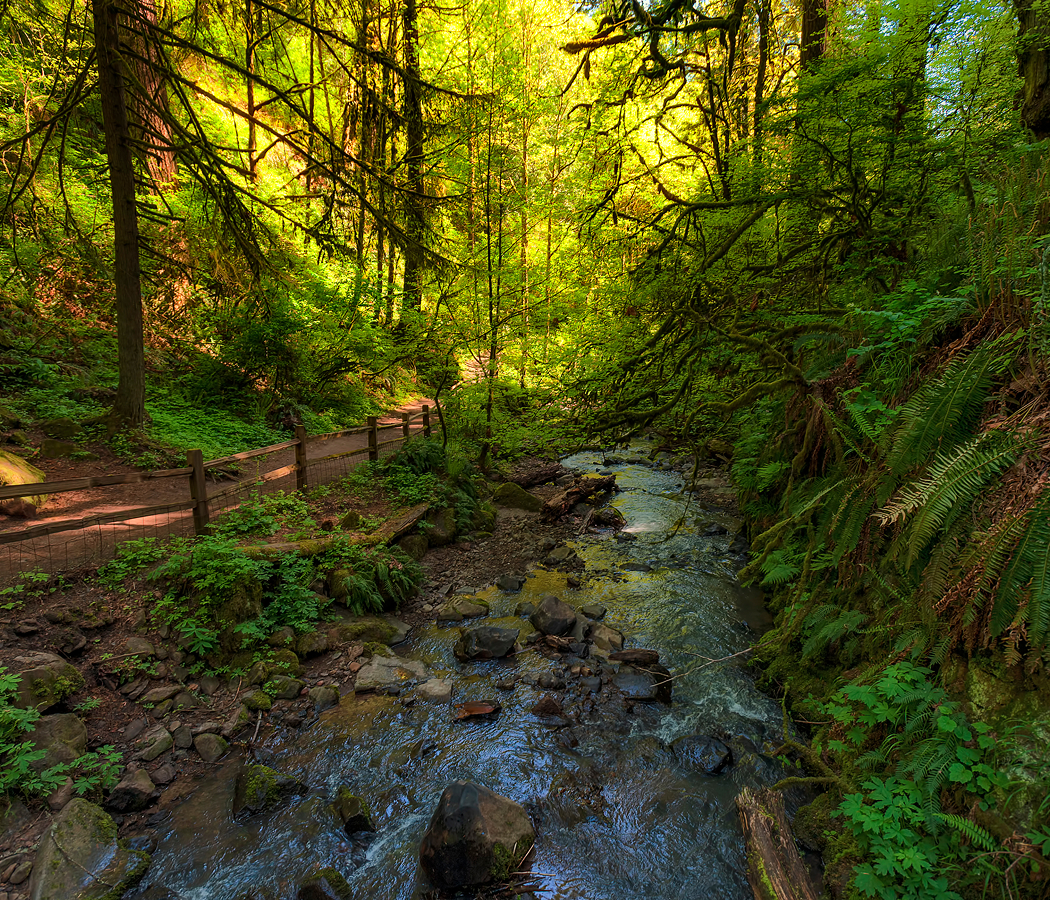
Set along Fell Street near Stanyan Street and just steps from Golden Gate Park, this mile-long tree-lined park stretches eastward as the historic gateway to one of the world's most celebrated urban parks. Towering eucalyptus, oak, and sycamore trees shade broad walking paths, dedicated cycling lanes, playgrounds, athletic courts, picnic lawns, and open gathering spaces that welcome residents throughout the day. Joggers, cyclists, dog walkers, musicians, families, and neighborhood regulars bring constant life to the landscape, creating an atmosphere that feels both energetic and remarkably relaxed. More than simply an approach to Golden Gate Park, The Panhandle has evolved into a destination in its own right where recreation, history, and everyday neighborhood life intersect. The result is a destination defined by urban vitality, natural beauty, and enduring civic connection.
What you should know about The Panhandle.
The Panhandle is best known for preserving the original eastern approach to Golden Gate Park after landscape architect William Hammond Hall designed it in the 1870s as a mile-long green corridor linking the city to the new park, while its broad lawns later became a defining gathering place during the Summer of Love, when thousands of young people assembled beneath its trees as Haight-Ashbury emerged as the global epicenter of the 1967 counterculture movement.
The corridor has continually evolved alongside San Francisco itself, serving first as a carefully planned urban landscape before becoming one of the nation's most recognizable public stages for cultural change. During the late 1960s, musicians, artists, activists, and free spirits transformed its shaded lawns into an extension of the Haight-Ashbury movement, reinforcing the park's place within one of the most influential social movements of the twentieth century. Today, thoughtfully restored pathways, mature tree canopies, recreational amenities, and thriving neighborhood activity preserve that remarkable balance between historical significance and everyday public life, allowing visitors to experience a landscape where urban planning, recreation, and cultural history remain inseparable.
How to fold The Panhandle into your trip.
The Panhandle works as the opening chapter of an exploration through San Francisco's celebrated parks, neighborhoods, and cultural landmarks.
Begin at Golden Gate Park, where one of the world's great urban parks immediately reveals the landscape vision that inspired The Panhandle before following its shaded pathways east toward Haight-Ashbury. Continue to the Conservatory of Flowers, whose grand Victorian greenhouse and botanical collections celebrate another defining achievement within the park's historic landscape. Conclude at the Painted Ladies, where San Francisco's iconic Victorian architecture provides a memorable finale linking the city's natural beauty with its celebrated architectural heritage. The progression moves naturally from world-renowned park to historic green corridor to botanical landmark and architectural icon, revealing why The Panhandle remains one of San Francisco's most important connections between nature, neighborhood life, and cultural history.
Where your story begins.
Foresyte Travel reveals places that feel extraordinary long before you arrive.
Experience premium editorial crafted for luxury travelers.