Why The Ritz-Carlton matters.
The Ritz-Carlton is a defining urban hotel where Downtown Portland's cultural life meets the forests and mountains of the Pacific Northwest, the city's independent commercial traditions and its growing role as a regional center of design and commerce.
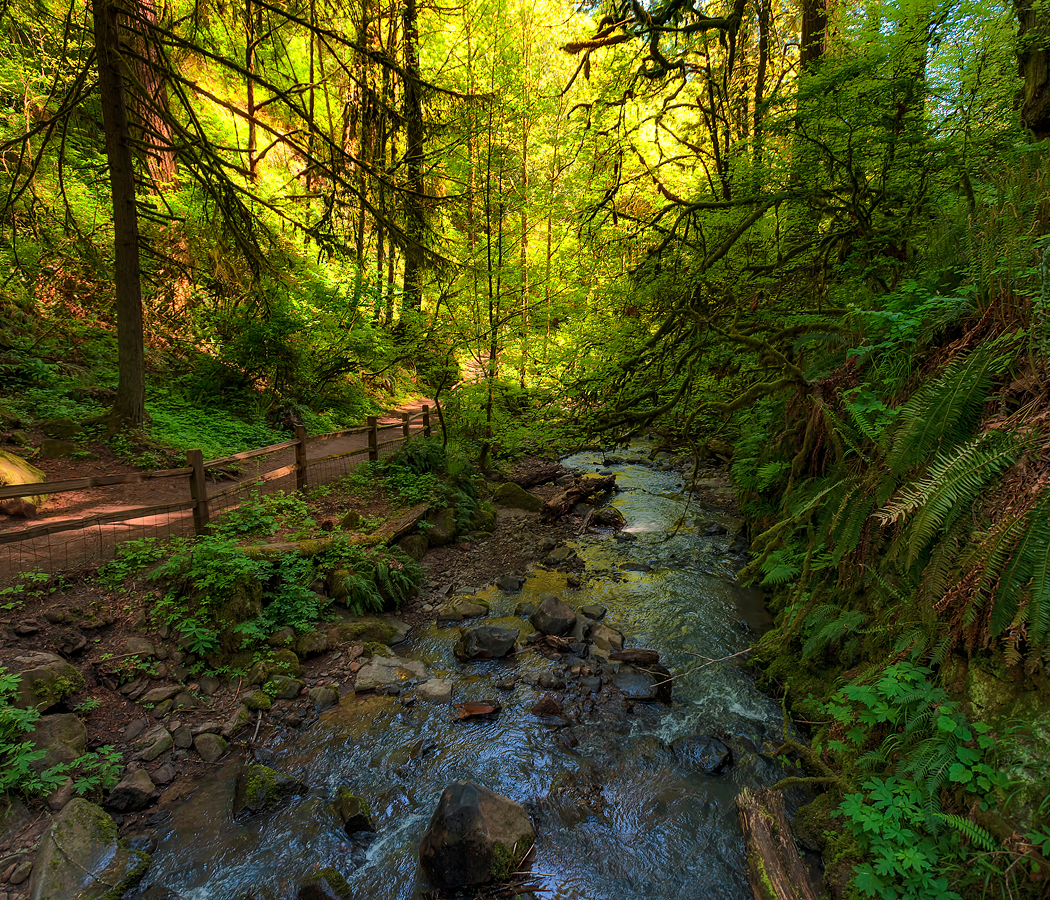
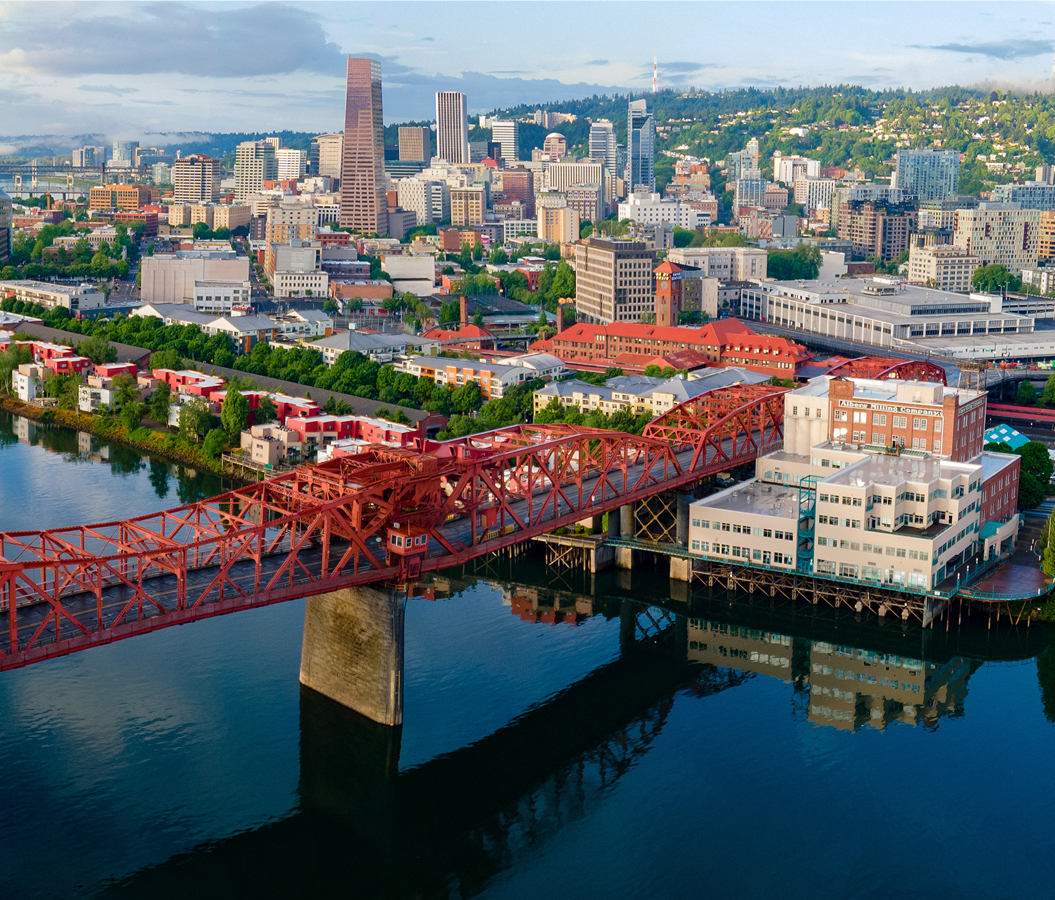
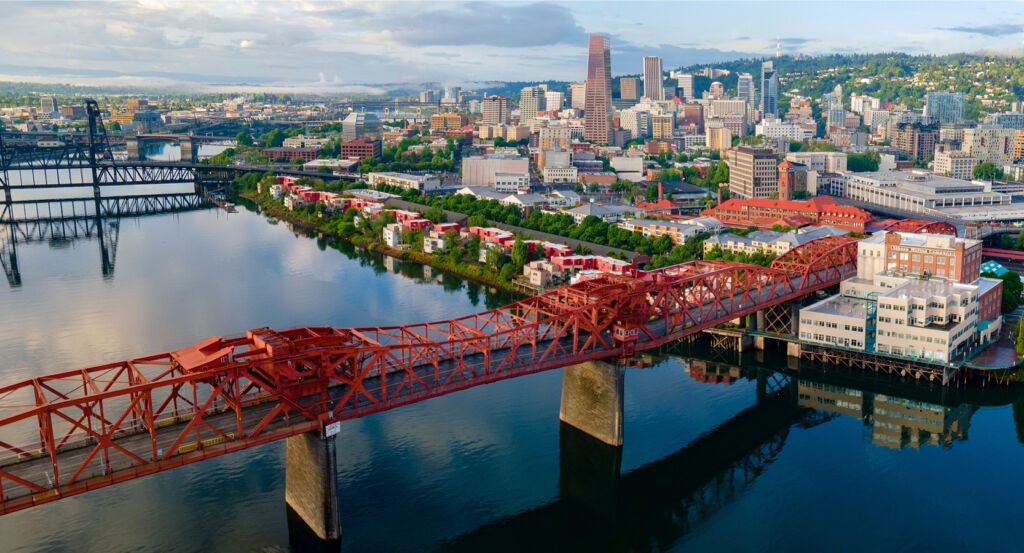
Set along Southwest Washington Street in Downtown Portland, The Ritz-Carlton occupies a prominent position near Pioneer Courthouse Square and the Park Blocks, with the West Hills rising beyond the western skyline and the Willamette River extending east of the central city. Its tall contemporary form rises above a compact urban site, combining glass, stone, balconies and carefully framed openings shaped by the scale of Downtown Portland. Guest rooms and suites face the city, hills or surrounding towers, with upper floors providing views toward the river, bridges and distant forested ridges. The building's public spaces create a transition from the active street grid to restaurants, lounges, spa facilities and event rooms organized within the tower. Southwest Washington Street connects the hotel with offices, restaurants, galleries, theaters and public transit, while nearby pedestrian routes lead toward the riverfront and historic commercial districts. The surrounding city combines nineteenth-century buildings, brick warehouses, modern towers and tree-lined blocks, revealing Portland's layered urban development. The property's position places visitors within walking distance of museums, bookstores, public squares, parks and the city's central business district. The result is a substantial urban hotel whose architecture and location connect Portland's downtown culture with the forests, rivers and mountains of the Pacific Northwest.
What defines The Ritz-Carlton.
The Ritz-Carlton is best known for introducing the Pacific Northwest's first Ritz-Carlton hotel within Block 216, an expansive mixed-use development that transformed a historic downtown commercial block into one of Portland's most prominent contemporary architectural landmarks. Developer Walter Bowen, founder of BPM Real Estate Group, conceived the project as an ambitious investment in Downtown Portland's future, combining international luxury hospitality, private residences, commercial offices, and public retail within a single metropolitan tower. The development occupied the former Alder Street food cart pod, an influential gathering place in Portland's independent food culture whose collection of small businesses had become a defining feature of the city's downtown culinary identity. The site's redevelopment represented a significant transition in Portland's urban history, bringing the competing priorities of independent entrepreneurship, major private investment, and downtown revitalization into a highly visible commercial project. Bowen assembled a development team led by Portland-based GBD Architects, with Kyle Andersen contributing to the architectural conception and Howard S. Wright overseeing construction. The $600 million undertaking emerged in 2019, establishing one of the largest private developments in Portland's modern history. Construction began that July, introducing an exceptionally complex building program encompassing 1.1 million square feet across thirty-five stories. The completed structure rises 460 feet, becoming a major addition to a skyline historically characterized by relatively restrained high-rise development. Its commercial composition incorporates 160,000 square feet of premium office space and 132 private residences, extending the project's economic significance beyond international hospitality into downtown employment and luxury residential investment. The building also became one of Portland's first major developments aligned with the Green Loop, a proposed network of landscaped pedestrian and cycling connections intended to improve access between central neighborhoods. GBD's architectural program achieved LEED Gold certification, connecting the project's commercial ambitions with Portland's established emphasis on environmentally responsible urban development. The Ritz-Carlton officially opened on October 31, 2023, establishing the city's first five-star hotel within a development conceived during a period of substantial change in downtown commercial activity. Its arrival introduced a major international luxury hospitality brand to a city whose tourism character had long centered on independent hotels, creative businesses, and regional cultural institutions. The property received a MICHELIN Key in 2024, gaining recognition during the inaugural American expansion of MICHELIN's hotel distinction program. The Ritz-Carlton represents a defining chapter in the city's contemporary development, connecting Bowen's commercial vision with the architectural transformation of downtown and the expanding international profile of Pacific Northwest hospitality.
Mary Alice Palmer, founding principal and global creative director of ROAM Interior Design, developed the hotel's distinctive cultural character through an architectural interpretation of Oregon's forests, volcanic geology, maritime landscapes, and pioneering history. Her design philosophy established a continuous relationship between the natural environments of the Pacific Northwest and the craftsmanship of contemporary luxury interiors, translating regional geography into spatial composition, tactile finishes, and original artwork. Forest Hall introduces this conception through an expansive interior inspired by the region's temperate rainforests, incorporating vertical architectural elements, sculptural branching forms, and carefully controlled illumination that evoke the atmosphere of a woodland canopy. Copper detailing references the celebrated 1845 coin toss between Asa Lovejoy and Francis Pettygrove that determined Portland's name, connecting the decorative program with a consequential event in the city's founding history. The building's architectural language extends this regional symbolism through a podium inspired by the columnar basalt formations of the Columbia River Gorge and a faceted glass crown recalling Oregon sunstone crystals. The interior art collection develops another dimension of the historical narrative through works by regional artists, with visual references to the Lewis and Clark Expedition connecting contemporary artistic expression with the exploration of the Pacific Northwest. Bellpine, the hotel's signature restaurant, introduces a particularly distinctive interpretation of Oregon's coastal geography through an interior inspired by Pacific sea stacks, tidal formations, and the changing textures of the shoreline. Curved architectural forms, sculptural surfaces, and atmospheric lighting evoke the movement of coastal waters, establishing a visual relationship between the restaurant's elevated metropolitan setting and the Pacific Ocean. Its culinary program draws upon the agricultural and maritime resources of the Pacific Northwest, incorporating regional seafood, seasonal produce, and contemporary techniques influenced by the region's diverse culinary traditions. Meadowrue develops a complementary interpretation of Oregon's natural landscape through a forest-inspired lounge whose botanical references extend the hotel's environmental narrative into Portland's social culture. Its name honors a flowering plant native to the region, connecting the venue's character with the botanical heritage that informs the surrounding interior design. The nineteenth-floor infinity pool introduces another architectural expression of this relationship through double-height glazing and expansive views toward Mount Hood and Mount St. Helens, placing the volcanic geography of the Cascade Range within the building's recreational environment. The spa extends the regional conception through treatments inspired by the Pacific Northwest's natural resources, integrating botanical influences into a contemporary wellness program. Together, Palmer's biophilic interiors, the hotel's regional art collection, its geographically inspired culinary environments, and its carefully articulated architectural symbolism establish an unusually cohesive interpretation of Oregon's natural and cultural character within Portland's contemporary luxury hospitality landscape.
How The Ritz-Carlton fits.
The Ritz-Carlton works as the starting point for an exploration connecting Oregon's artistic traditions, its Chinese American history and the civic institutions that preserve Portland's regional identity.
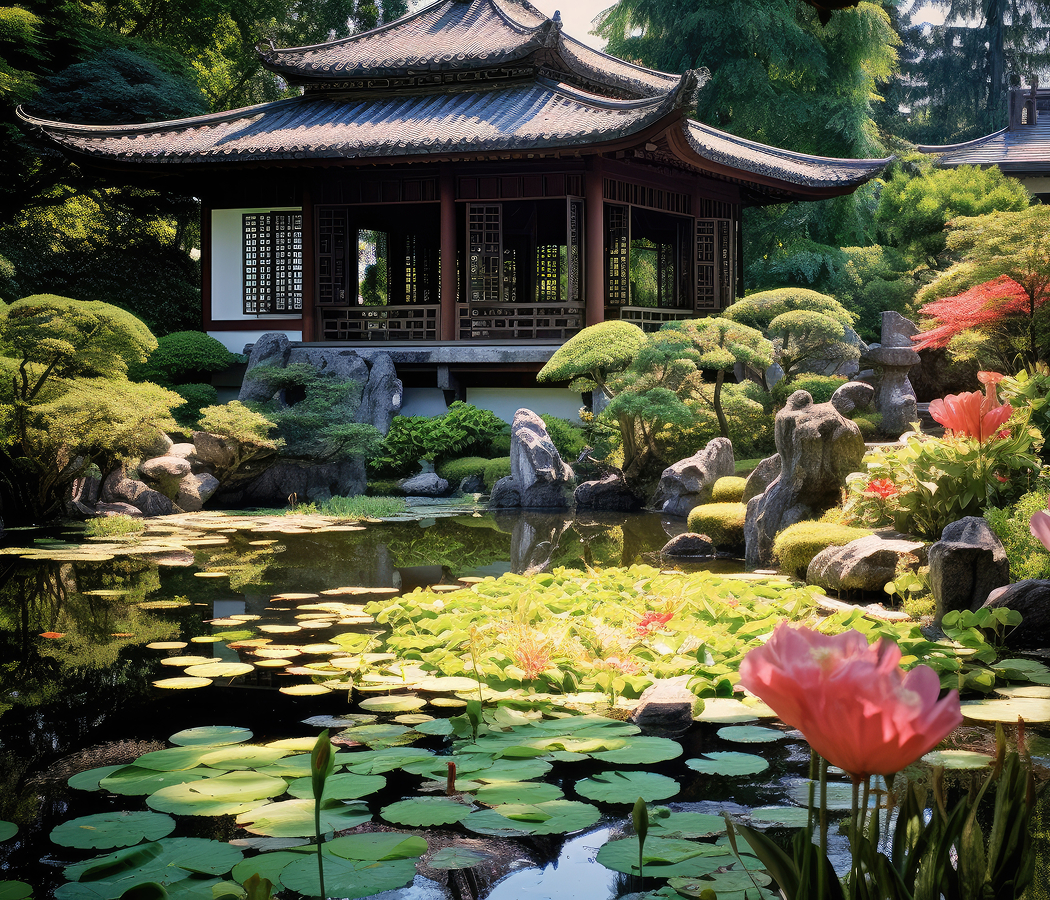
Begin at Portland Art Museum, the major art institution on the South Park Blocks where collections of Native American, European, Asian, American and contemporary art occupy galleries within a historic urban campus. Its exhibitions connect Portland to international artistic history while maintaining a strong emphasis on Oregon and the Pacific Northwest. The museum's location beside tree-lined public blocks places art within a civic landscape of universities, churches, monuments and cultural buildings. Its galleries demonstrate how Portland's character developed through both regional creativity and international exchange. Continue to Lan Su Chinese Garden, the walled garden in Old Town Chinatown where ponds, pavilions, rockeries, bridges and planting create a classical Chinese landscape within the urban center. The garden was built through collaboration between Portland and its sister city Suzhou, connecting the city to Chinese architectural, horticultural and cultural traditions. Its enclosed sequence of courtyards creates a quiet contrast with the surrounding streets, warehouses and commercial buildings. The garden also preserves the history of Portland's Chinese American community and the city's long relationship with the Pacific. Conclude at Oregon Historical Society, the institution on the Park Blocks where exhibitions, objects, photographs and archives present the history of Oregon and its communities. Its galleries examine Indigenous cultures, migration, settlement, industry, environmental change and the political development of the state. The society's location near the hotel places regional history within the modern cultural center of Portland, surrounded by museums, parks and civic buildings. Its collections connect the city to the forests, rivers, mountains and communities that define Oregon beyond the metropolitan core. The progression moves from Portland Art Museum's regional and international collections through Lan Su Chinese Garden's Chinese American and horticultural traditions and concludes at Oregon Historical Society, where Oregon's civic, environmental and cultural history is preserved in the center of Portland.
Where your story begins.
Foresyte Travel reveals places that feel extraordinary long before you arrive.
Enjoy editorial crafted for luxury travelers.
Foresyte may earn a commission when you book.