Why you should experience Tom McCall Waterfront Park in Portland, Oregon.
The Tom McCall Waterfront Park in Portland is the city's open-air heartbeat, a sweeping green ribbon where downtown meets the Willamette River, alive with movement, music, and memory.
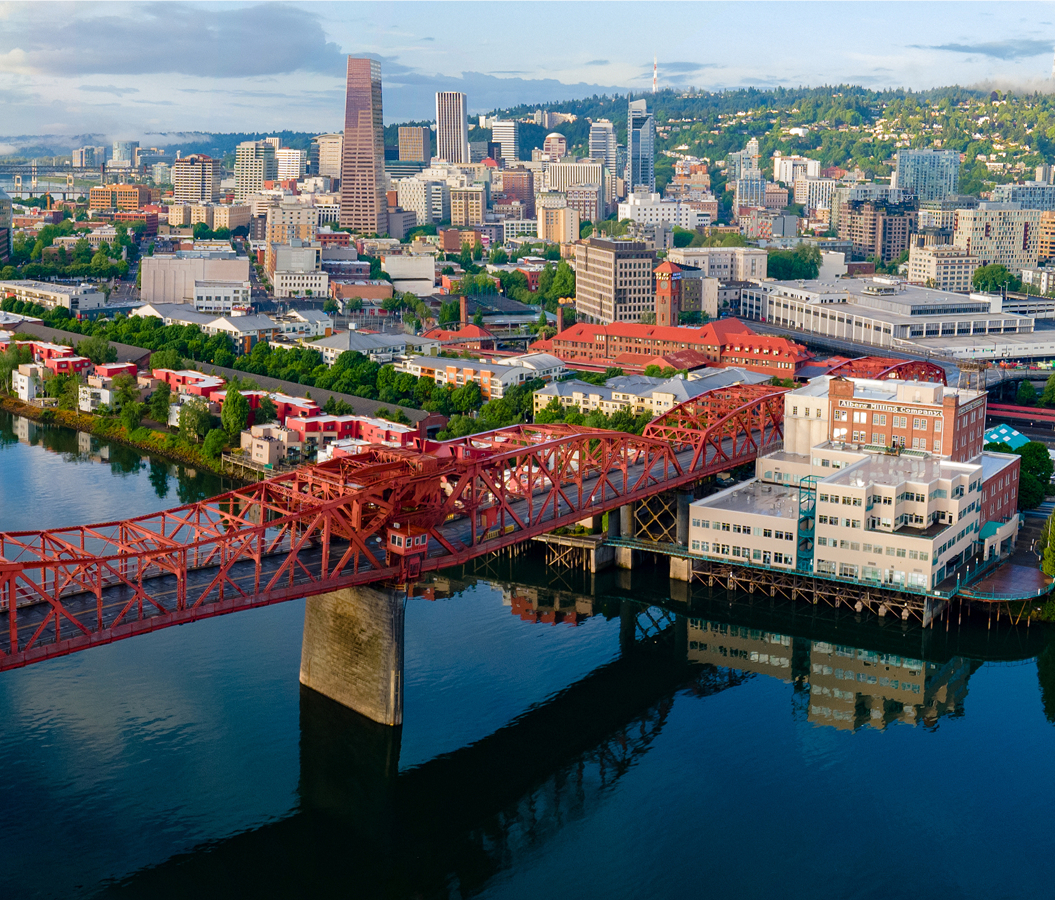
Stretching for more than a mile along the river's west bank, it's where joggers trace the skyline at dawn, families picnic beneath cherry blossoms, and festivals fill the air with laughter and song. The park's energy shifts with the hours: calm in the morning light, sun-soaked and social by afternoon, golden and reflective as evening falls. From its walkways, you can watch kayakers glide beneath the Hawthorne Bridge, cyclists curve along the esplanade, and the city shimmer in the river's mirrored surface. Yet amid the buzz, there's serenity, grassy lawns that invite stillness, quiet benches overlooking the water, and the timeless rhythm of the current moving south to north. It's not just Portland's front yard; it's where the city comes to breathe.
What you should know about Tom McCall Waterfront Park.
The Tom McCall Waterfront Park is both a civic triumph and a symbol of Portland's environmental renaissance, a park born from protest, vision, and the will to reclaim the city's riverfront.
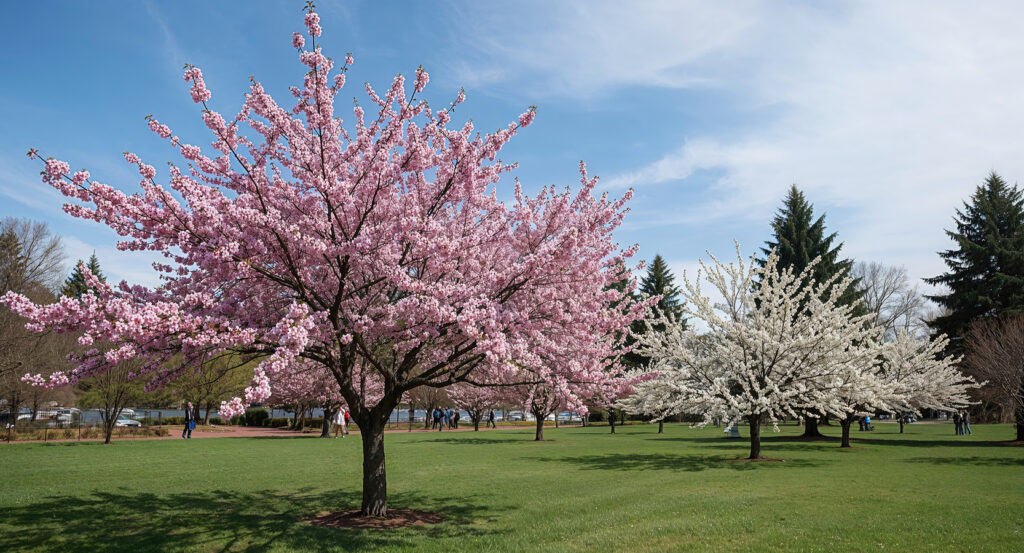
Before it became a beloved urban oasis, this stretch of riverbank was buried beneath Harbor Drive, a noisy highway that cut the city off from its water. In the 1960s, then-Governor Tom McCall championed a rebellious idea: remove the highway entirely and give the river back to the people. Against all odds, Harbor Drive was demolished in 1974, among the first major freeway removals in U.S. history, and the park opened in 1978 as a tribute to Portland's forward-thinking spirit. Its design blends function with flow: tree-lined promenades for walking, broad lawns for festivals, and pathways that connect to the Eastbank Esplanade and Steel Bridge Loop, forming one of the most scenic urban trails in the country. The park's most famous seasonal transformation occurs each April, when over 100 cherry trees near the Japanese American Historical Plaza erupt into clouds of pink, creating one of Portland's most photographed sights. The park also houses historical markers honoring Portland's Indigenous communities, maritime heritage, and the city's long commitment to civic space. Few realize that beneath its calm beauty lies a meticulously engineered flood-control system, invisible barriers and drainage layers designed to let the river rise and retreat. What was once pavement now lives as Portland's pulse, resilient, open, and alive.
How to fold Tom McCall Waterfront Park into your trip.
The Tom McCall Waterfront Park is an essential experience for understanding Portland's rhythm, equal parts leisure, landscape, and legacy.
Begin at Salmon Street Springs Fountain, the park's lively centerpiece, and follow the paved path north toward the Steel Bridge. Visit in early morning for misty reflections of the skyline or in the late afternoon when the sunlight warms the water and street performers begin to gather. Allow 45-90 minutes to stroll its full length, stopping at landmarks like the Japanese American Historical Plaza, Battleship Oregon Memorial, and the Portland Saturday Market at the park's northern edge. If you're here in spring, the cherry blossom corridor near the Burnside Bridge is breathtaking; in summer, the park becomes the stage for citywide festivals, from the Rose Festival Waterfront Village to Blues Fest and Bite of Oregon. Cyclists can link the route with the Eastbank Esplanade Loop across the river for panoramic skyline views. For the perfect finale, bring a coffee or food-cart snack and sit by the water's edge as dusk settles. The city lights ripple across the river, the bridges glow like lanterns, and the hum of Portland life drifts through the night, a reminder that this park isn't just where the city gathers, but where it remembers who it is.
Where your story begins.
Foresyte Travel reveals places that feel extraordinary long before you arrive.
Experience premium editorial crafted for luxury travelers.