Why you should experience Tropical Rain Forest at Woodland Park Zoo in Seattle, Washington.
Tropical Rain Forest at Woodland Park Zoo is an immersive wildlife habitat where Phinney Ridge's conservation leadership, naturalistic exhibit design, tropical biodiversity, and environmental education create one of North America's most influential zoo experiences.
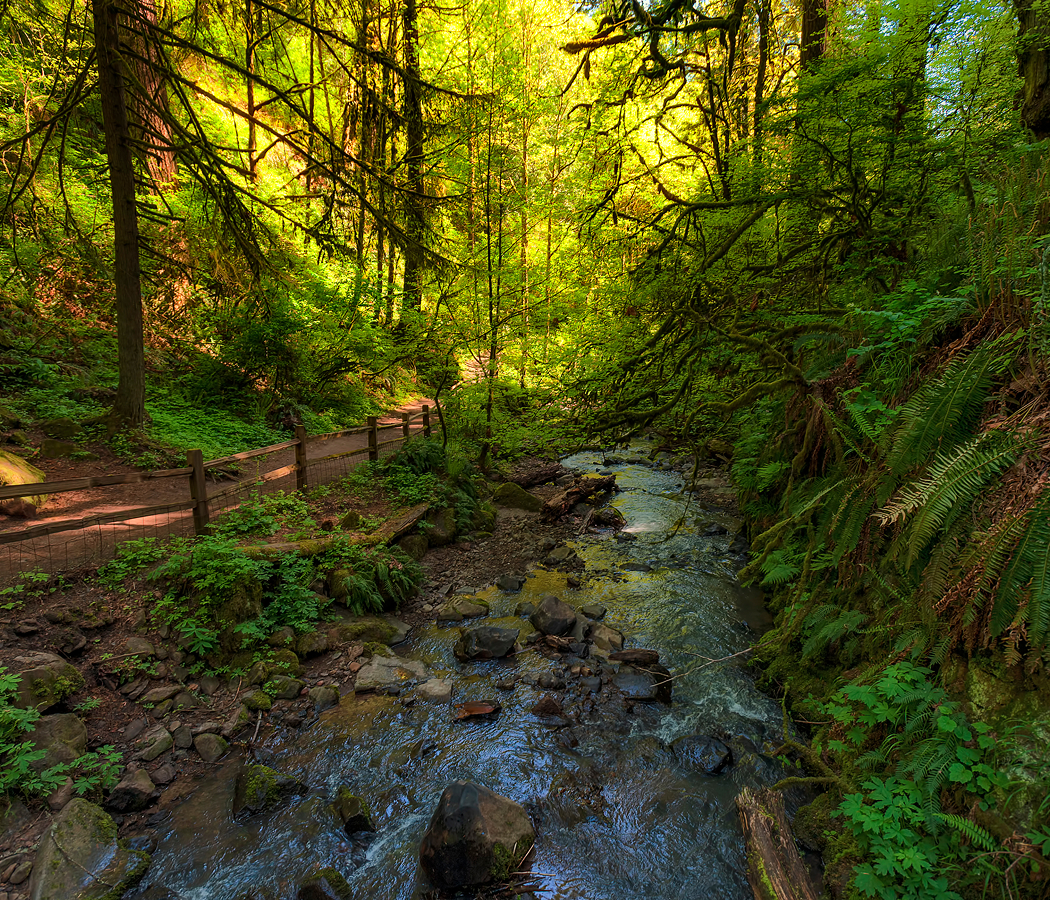
Set within Woodland Park Zoo near Jaguar Cove and just steps from Trail of Vines, this lush exhibit transports visitors beneath dense rainforest canopies filled with towering vegetation, cascading waterfalls, free-flight birds, remarkable reptiles, and thoughtfully designed habitats for some of the world's most endangered tropical species. Carefully concealed barriers, immersive landscaping, and authentic ecological storytelling dissolve the boundaries between guests and wildlife, creating the feeling of walking through a living rainforest. Every habitat reveals another layer of one of Earth's richest ecosystems. The result is an experience defined by conservation, innovation, and one of America's most celebrated rainforest exhibits.
What you should know about Tropical Rain Forest at Woodland Park Zoo.
Tropical Rain Forest at Woodland Park Zoo is best known for opening in 1992 as an Association of Zoos and Aquariums Exhibit Award winner, advancing Woodland Park Zoo's internationally influential philosophy of landscape immersion by recreating the tropical forests of South America and Central Africa through expansive naturalistic habitats. Constructed as part of the zoo's landmark 1976 Long-Range Plan, made possible through the 1985 King County Zoo Bond and substantial private fundraising, the exhibit represented one of the most ambitious phases in Woodland Park Zoo's transformation into a global leader in modern zoo design. The complex combines outdoor habitats for western lowland gorillas, jaguars, colobus monkeys, ring-tailed lemurs, red ruffed lemurs, and golden lion tamarins with an indoor rainforest dome housing tropical birds, poison dart frogs, anacondas, tarantulas, snakes, monkeys, and numerous smaller rainforest species within richly planted environments that replicate the layered structure of tropical ecosystems. The exhibit's design emphasizes ecological relationships by integrating dense vegetation, concealed viewing areas, mixed-species habitats, flowing water, and immersive educational interpretation that explains rainforest biodiversity, habitat loss, and global conservation challenges. Subsequent additions, including the acclaimed Jaguar Cove habitat in 2003, further strengthened the zone while reinforcing Woodland Park Zoo's reputation for pioneering animal-centered exhibit design. Widely recognized as one of the zoo's defining experiences, Tropical Rain Forest continues demonstrating how thoughtful architecture, landscape design, behavioral enrichment, and conservation education can transform public understanding of some of the world's most threatened ecosystems. Together, award-winning exhibit design, pioneering landscape immersion, exceptional biodiversity, and decades of conservation leadership establish Tropical Rain Forest as one of North America's finest zoo habitats.
The exhibit continues demonstrating how immersive habitat design can inspire meaningful conservation awareness while supporting outstanding animal welfare and visitor engagement. Carefully recreated rainforest environments, internationally recognized design principles, continual habitat enhancements, and Woodland Park Zoo's enduring commitment to wildlife conservation reinforce Tropical Rain Forest's standing among America's most influential zoological exhibits.
How to fold Tropical Rain Forest at Woodland Park Zoo into your trip.
Tropical Rain Forest at Woodland Park Zoo works as part of an exploration through the zoo's immersive wildlife habitats.
Begin at Jaguar Cove, where one of Woodland Park Zoo's most celebrated habitats introduces the remarkable conservation philosophy behind Tropical Rain Forest before exploring the surrounding exhibits. Continue to Trail of Vines, where orangutans, siamangs, and Southeast Asian rainforest habitats expand the journey into another extraordinary tropical ecosystem. Conclude at African Savanna, where sweeping grassland habitats provide a memorable finale celebrating the extraordinary diversity of life protected by Woodland Park Zoo. The progression moves naturally from South American rainforest to Southeast Asian forests before concluding across Africa's open plains, revealing why Tropical Rain Forest remains one of Seattle's defining wildlife experiences.
Where your story begins.
Foresyte Travel reveals places that feel extraordinary long before you arrive.
Experience premium editorial crafted for luxury travelers.