
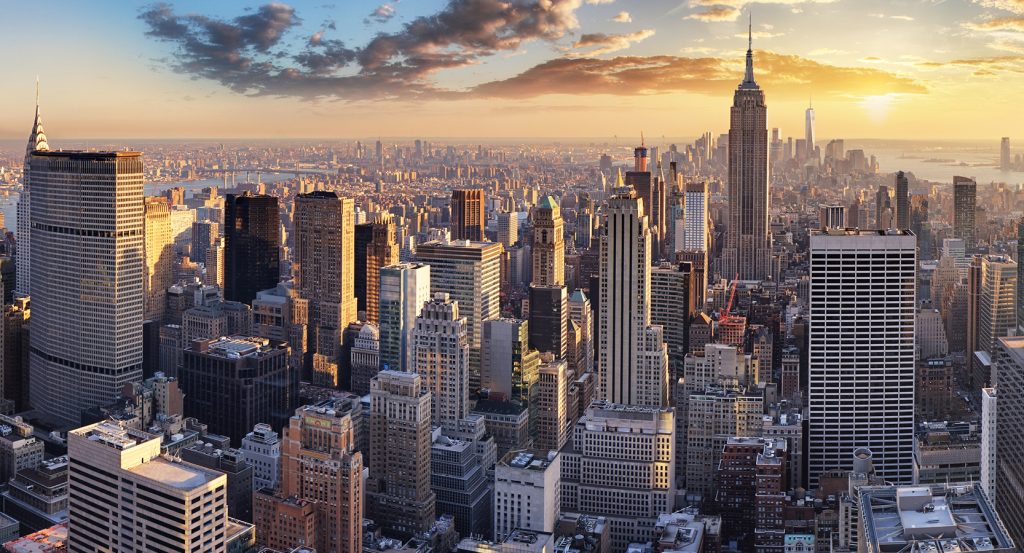
Why Wadsworth Avenue matters.
Wadsworth Avenue is a graceful corridor where Washington Heights' immigrant heritage, residential character, institutional legacy, and enduring relationship between Upper Manhattan's dramatic topography and community life shape one of the neighborhood's defining north-south streets.
Running through Washington Heights between Hudson Heights and Inwood, the corridor connects historic apartment buildings, neighborhood schools, religious institutions, parks, local businesses, and transit corridors that collectively reflect more than a century of carefully guided urban development. Art Deco apartment houses, prewar residential buildings, tree-lined sidewalks, neighborhood storefronts, and well-maintained streetscapes preserve a corridor shaped by subway expansion, hillside engineering, residential planning, and sustained civic investment. Residents, educators, healthcare professionals, business owners, families, and community organizations continue reinforcing Wadsworth Avenue's importance while supporting housing, education, commerce, and community life throughout Washington Heights. The result is an experience defined by neighborhood continuity, architectural character, and the enduring character of Washington Heights.
What defines Wadsworth Avenue.
Wadsworth Avenue is best known for reflecting Washington Heights' transformation from a sparsely developed ridge into one of Manhattan's most distinctive residential neighborhoods, where rapid transit, apartment construction, and successive immigrant communities shaped Upper Manhattan throughout the twentieth century. Completion of the nearby IRT Broadway-Seventh Avenue Line in 1906 accelerated residential growth across the ridge, encouraging construction of substantial prewar apartment buildings, schools, churches, and neighborhood commercial corridors along streets including Wadsworth Avenue. Expansion of institutions such as NewYork-Presbyterian/Columbia University Irving Medical Center reinforced the surrounding district as an internationally recognized center for medicine, education, and scientific research while strengthening the neighborhood's long-term residential stability. Today Wadsworth Avenue reflects more than a century of planning that integrates transportation infrastructure, healthcare, residential architecture, and neighborhood commerce within one of Manhattan's most culturally diverse communities.
The corridor's close relationship with the surrounding landscape continues through Fort Tryon Park, where the 67-acre park designed by the Olmsted Brothers preserves dramatic elevations, stone terraces, and panoramic views overlooking the Hudson River that define the character of northern Manhattan. That connection between landscape and culture extends into The Met Cloisters, opened in 1938, where medieval architecture, European art collections, and carefully designed gardens reinforce the neighborhood's international cultural significance. Community life remains equally grounded in the energetic commercial corridors of nearby West 181st Street, where Dominican-owned businesses, neighborhood markets, bakeries, and restaurants reflect the immigrant traditions that continue shaping daily life along Wadsworth Avenue. Together, these landscape, cultural, and neighborhood institutions reveal how Wadsworth Avenue has evolved within a community where topography, immigration, and public investment continue reinforcing one another across generations.
How Wadsworth Avenue fits.
Wadsworth Avenue works as an exploration of Washington Heights' neighborhood history, cultural diversity, and remarkable landscape.
Begin at Fort Tryon Park, where sweeping overlooks and historic landscape design introduce the natural setting that has long distinguished northern Manhattan. Continue to The Met Cloisters, whose renowned medieval collections and architectural setting reflect the neighborhood's extraordinary cultural depth. Conclude along West 181st Street, where longstanding neighborhood businesses provide a fitting finale connecting Wadsworth Avenue's residential character with the energetic commercial and cultural traditions that continue defining Washington Heights. The progression moves naturally from landscape to cultural heritage before concluding with neighborhood commerce, revealing why Wadsworth Avenue remains one of Washington Heights' defining corridors for understanding Upper Manhattan's continuing evolution.
Where your story begins.
Foresyte Travel reveals places that feel extraordinary long before you arrive.
Enjoy editorial crafted for luxury travelers.
Foresyte may earn a commission when you book.







































































































