
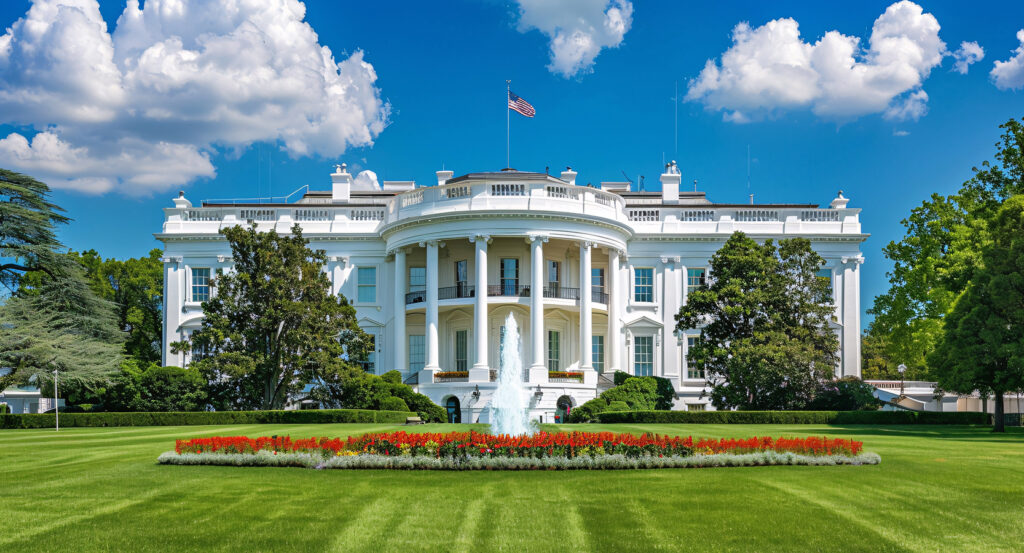
Why you should experience West Wing at The White House in Washington, D.C.
The West Wing is the beating heart of the American presidency, where history unfolds in real time and power meets purpose.
Unlike the stately East Wing, which welcomes guests and hosts formal events, the West Wing hums with the energy of governance. Its corridors are narrow and unassuming, yet every inch connects with decisions that have shaped the course of the world. Here, the Oval Office, Cabinet Room, and Roosevelt Room form the nucleus of executive leadership. Staffers move swiftly between briefings, policy sessions, and press updates; the air itself carries the pulse of urgency and responsibility. Despite its understated architecture, the West Wing's aura is electric, it's where presidents seek counsel, weigh impossible choices, and face the nation's defining moments. Standing outside its iconic façade, you can almost hear echoes of history: Kennedy's crisis deliberations, Reagan's jokes before speeches, and Obama's quiet pauses before announcements that changed millions of lives.
What you should know about West Wing at The White House.
The West Wing wasn't part of the White House's original design, it was born out of necessity.
In 1902, President Theodore Roosevelt commissioned its construction to separate the family residence from the growing administrative chaos. Over time, the West Wing became the command center of the presidency, expanding under Taft and later FDR, who added the now-famous Oval Office in 1934. Beneath its surface lies an intricate network of offices, communication hubs, and secured meeting spaces that form the nerve center of executive operations. The Situation Room, for instance, operates 24/7, monitoring global developments and guiding national security responses. Despite countless renovations, the West Wing retains its intimate scale, a reflection of Roosevelt's vision for proximity and collaboration. Its charm lies in contrast: modest hallways adorned with historical photos that remind everyone inside that greatness often emerges from focus, not grandeur.
How to fold West Wing at The White House into your trip.
While access to the West Wing is restricted to official business and select guests, there are ways to experience its legacy during your visit to the White House.
Public tours arranged through congressional offices occasionally include glimpses of West Wing areas, though most visitors connect with its story through the White House Visitor Center. There, multimedia exhibits showcase the layout, evolution, and pivotal events of this renowned workspace, including interactive displays that map the daily rhythm of a presidential schedule. You can also explore an exact-scale replica of the Oval Office, giving you a tangible sense of its gravity. For an exterior view, walk along West Executive Avenue, which borders the wing between the White House and the Eisenhower Executive Office Building. From this vantage, you can appreciate the understated architecture that conceals the weight of leadership within. The West Wing represents more than a workspace, it's the unseen engine of democracy, where every decision ripples far beyond its quiet walls.
Where your story begins.
Foresyte Travel reveals places that feel extraordinary long before you arrive.
Experience premium editorial crafted for luxury travelers.







































































































