
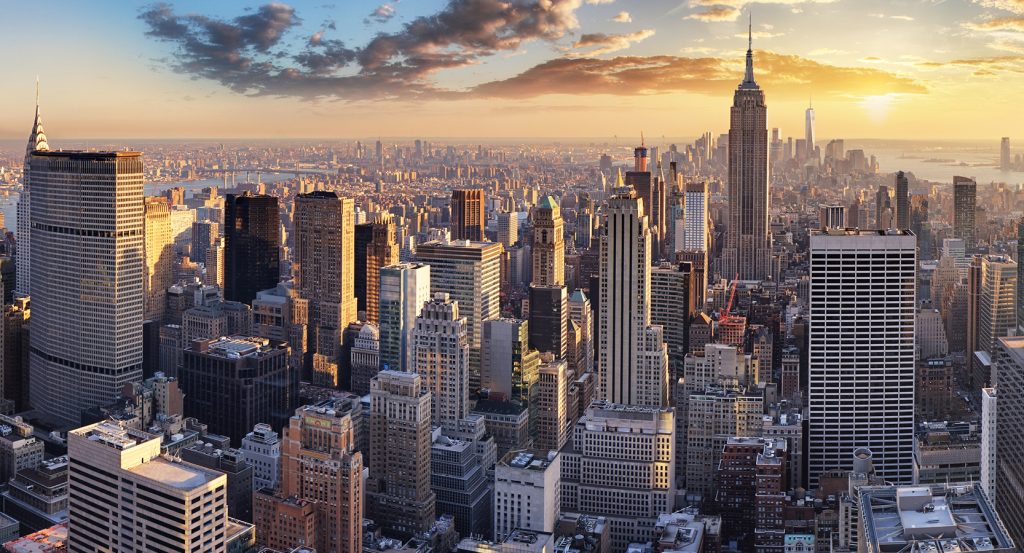
Why 76th Street matters.
76th Street is a graceful corridor where Upper East Side's residential elegance, cultural heritage, neighborhood character, and enduring Manhatta character shape one of the city's defining streets.
Running through Upper East Side between Carl Schurz Park and Central Park, the corridor connects distinguished apartment houses, museums, schools, churches, neighborhood businesses, and landscaped public spaces that collectively reflect more than a century of carefully guided urban development. Beaux-Arts apartment buildings, limestone townhouses, educational institutions, cultural organizations, tree-lined streetscapes, and established residential blocks reveal a corridor shaped by rapid transit expansion, architectural ambition, civic investment, and sustained neighborhood stewardship. Residents, educators, healthcare professionals, entrepreneurs, museum patrons, and community organizations continue reinforcing 76th Street's importance while supporting housing, education, culture, and civic life throughout the Upper East Side. The result is an experience defined by architectural continuity, institutional strength, and the enduring character of one of Manhattan's defining streets.
What you should know 76th Street.
76th Street is best known for connecting Central Park with the East River across the Upper East Side, where the Commissioners' Plan of 1811 established one of Manhattan's principal crosstown streets as former country estates gradually evolved into one of New York City's most distinguished residential neighborhoods during the nineteenth century. Development accelerated after the opening of the IRT Lexington Avenue Line, whose nearby 77th Street station entered service in 1918, encouraging apartment-house construction, educational institutions, neighborhood commerce, churches, and civic organizations throughout the surrounding blocks. During the early twentieth century, elegant apartment buildings, private residences, museums, schools, and cultural institutions transformed the corridor into an established residential address while preserving direct access to both Central Park and the East River waterfront. Today 76th Street reflects more than two centuries of planning that integrates transportation infrastructure, residential architecture, public landscapes, and cultural institutions within one of Manhattan's most historically significant urban corridors.
The corridor's cultural character is anchored by the Frick Collection, founded by Henry Clay Frick and opened to the public in 1935, preserving one of the nation's foremost collections of European painting, sculpture, and decorative arts within the former Frick mansion. Educational excellence continues through The Nightingale-Bamford School, founded in 1920, reinforcing the Upper East Side's longstanding tradition of independent education. Recreation extends eastward into Carl Schurz Park, established in 1934, where landscaped promenades, mature trees, and Gracie Mansion, the official residence of New York City's mayor since 1942, strengthen the corridor's civic significance. Together, these cultural, educational, and recreational institutions demonstrate how 76th Street has evolved through sustained investment in scholarship, public space, and architectural preservation.
How 76th Street fits.
76th Street works as an exploration of the Upper East Side's cultural institutions, celebrated public landscapes, and residential heritage.
Begin at Central Park, where celebrated landscapes, wooded pathways, and the enduring vision of Frederick Law Olmsted and Calvert Vaux establish the civic setting that continues defining the western end of 76th Street. Continue to the Frick Collection, where masterworks by European painters, an exceptionally preserved Gilded Age mansion, and generations of curatorial leadership deepen the experience by revealing the cultural ambitions that have long distinguished the Upper East Side. Conclude at Carl Schurz Park, where landscaped waterfront promenades, Gracie Mansion, and sweeping East River views provide the historical payoff by illustrating how 76th Street connects residential life with one of Manhattan's most distinguished civic landscapes. The sequence progresses naturally from landscape design to artistic heritage before culminating along the East River, revealing how 76th Street unites culture, public investment, and neighborhood continuity across the Upper East Side.
Where your story begins.
Foresyte Travel reveals places that feel extraordinary long before you arrive.
Enjoy editorial crafted for luxury travelers.
Foresyte may earn a commission when you book.







































































































