
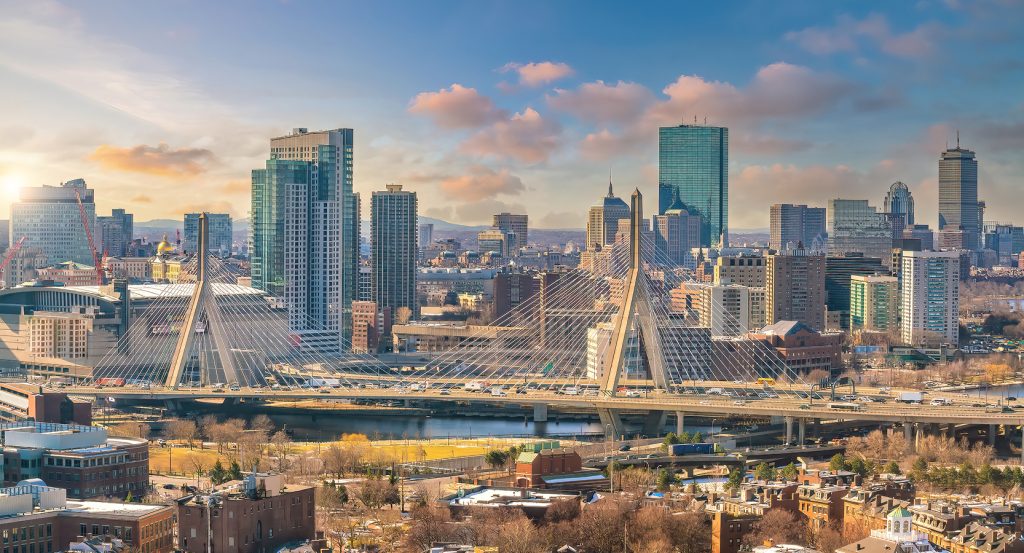
Why you should experience Batterymarch Street in Boston, Massachusetts.
Batterymarch Street is a historic Financial District corridor where colonial defense, commercial enterprise, and revolutionary heritage converge along one of Boston's oldest streets.
Running through the Financial District between State Street, Broad Street, Milk Street, and Franklin Street, this distinguished corridor connects landmark office towers, historic commercial buildings, architecturally significant civic institutions, celebrated public spaces, thriving financial businesses, and enduring colonial street patterns that collectively showcase Boston's extraordinary transformation from fortified colonial settlement to global financial center. Historic granite architecture, thoughtfully preserved nineteenth-century buildings, energetic commercial activity, welcoming pedestrian streets, celebrated historic landmarks, and enduring civic traditions create an urban landscape where generations of merchants, financiers, soldiers, statesmen, residents, and visitors have shaped one of New England's defining downtown corridors. Batterymarch Street has continually evolved while preserving its direct connection to Boston's earliest colonial history. The result is a corridor defined by historical significance, architectural distinction, and lasting civic importance.
What you should know about Batterymarch Street.
Batterymarch Street is best known for preserving the site of Boston's colonial artillery battery, where cannon were positioned to defend the town's harbor during the seventeenth century before the surrounding land became one of colonial America's most important centers of maritime commerce and mercantile wealth.
The street derives its name from the military earthworks that once occupied this strategic waterfront location, protecting Boston's growing port against potential naval attack. As the shoreline expanded through successive landmaking projects, the defensive battery disappeared, but the district evolved into the commercial heart of the colonial city, where merchants and shipping firms helped establish Boston as one of Britain's most prosperous North American ports. Today, the street's name remains a rare surviving reminder of the city's earliest defensive infrastructure and its transition from fortified settlement to international trading center. That extraordinary colonial legacy has established Batterymarch Street as one of the city's most historically significant corridors.
How to fold Batterymarch Street into your trip.
Batterymarch Street works as an exploration of Boston's colonial history, financial district, and waterfront heritage.
Begin along Batterymarch Street, where the historic commercial streetscape immediately establishes the corridor's defining identity. Continue toward the Old State House, where one of America's most important colonial government buildings provides broader perspective on the street's extraordinary historical legacy. From there, make your way to Faneuil Hall, where Boston's renowned marketplace and meeting hall provides a memorable conclusion while celebrating the city's enduring relationship with commerce, democracy, and public life. Along the way, you'll encounter architecturally significant commercial buildings, welcoming downtown streets, thriving financial institutions, beautifully preserved historic landmarks, celebrated Revolutionary sites, and energetic gathering places that reveal the Financial District's exceptional depth. The progression moves naturally from a historic colonial corridor to the seat of provincial government to the Cradle of Liberty, demonstrating how Batterymarch Street connects military history, community life, and historical discovery.
Where your story begins.
Foresyte Travel reveals places that feel extraordinary long before you arrive.
Experience premium editorial crafted for luxury travelers.







































































































