
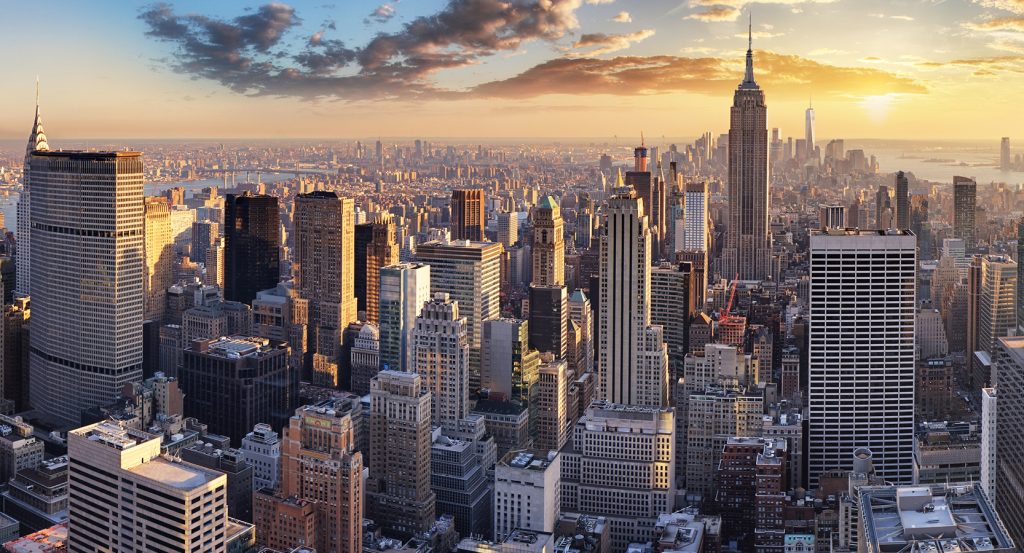
Why you should experience Huron Street in New York, NY.
Huron Street is a historic corridor where Greenpoint's maritime heritage, industrial legacy, neighborhood resilience, and enduring connection to the East River shape one of northern Brooklyn's defining streets.
Running through Greenpoint between Williamsburg and Long Island City, the corridor connects historic warehouse buildings, neighborhood businesses, residential blocks, waterfront parks, educational institutions, and former manufacturing sites that collectively reflect more than a century of carefully guided urban development. Brick industrial buildings, converted factory lofts, established commercial frontages, prewar apartment houses, and evolving waterfront streetscapes reveal a corridor shaped by shipbuilding, manufacturing, immigration, and sustained neighborhood reinvestment. Residents, entrepreneurs, artists, engineers, educators, and community organizations continue reinforcing Huron Street's importance while supporting housing, commerce, culture, and civic life throughout Greenpoint. The result is an experience defined by industrial authenticity, waterfront continuity, and the enduring character of one of Brooklyn's most historically significant riverfront communities.
What you should know about Huron Street.
Huron Street is best known for connecting Greenpoint's residential core with its historic East River shoreline, where nineteenth-century shipyards, ropewalks, glassworks, foundries, and petroleum refineries established one of the nation's foremost manufacturing districts. Development accelerated after Charles Pratt founded Astral Oil Works during the 1860s, while nearby industrial enterprises and shipbuilders transformed Greenpoint into a leading center of maritime commerce and heavy manufacturing along the East River. During the twentieth century the surrounding neighborhood became nationally recognized for its large Polish American community, whose churches, businesses, cultural organizations, and institutions reinforced Greenpoint's distinctive character while preserving longstanding neighborhood traditions. Today Huron Street reflects more than a century of planning that integrates industrial architecture, waterfront infrastructure, residential development, and neighborhood preservation within one of Brooklyn's most historically significant urban corridors.
The corridor's waterfront character is reinforced by nearby WNYC Transmitter Park, opened in 2012 on the former transmission site of WNYC radio, creating publicly accessible shoreline while preserving an important chapter of New York broadcasting history. Industrial heritage continues through the nearby Eberhard Faber Pencil Factory, whose nineteenth-century manufacturing complex remains one of Greenpoint's defining architectural landmarks following preservation and adaptive reuse. Nearby Greenpoint Landing has introduced new waterfront parks, resilient shoreline infrastructure, public access, and ecological restoration while reconnecting surrounding neighborhoods with the East River after generations of industrial use. Together, these industrial, civic, and waterfront investments reveal how Huron Street has evolved within a district where manufacturing heritage, public access, and neighborhood renewal continue reinforcing one another.
How to fold Huron Street into your trip.
Huron Street works as an exploration of Greenpoint's industrial heritage, East River shoreline, and architectural history.
Begin at WNYC Transmitter Park, where sweeping East River views introduce the waterfront landscape that shaped Greenpoint's industrial development for generations. Continue to the Eberhard Faber Pencil Factory, whose preserved manufacturing buildings deepen the corridor's connection to one of Brooklyn's most influential industrial enterprises. Conclude at Greenpoint Landing, where restored shoreline access provides a fitting finale connecting Huron Street's manufacturing heritage with the neighborhood's continuing waterfront transformation. The progression moves naturally from historic broadcasting infrastructure to industrial preservation before concluding with renewed public waterfront access, revealing why Huron Street remains one of Brooklyn's defining corridors for understanding the relationship between manufacturing, preservation, and riverfront revitalization.
Where your story begins.
Foresyte Travel reveals places that feel extraordinary long before you arrive.
Experience premium editorial crafted for luxury travelers.







































































































