
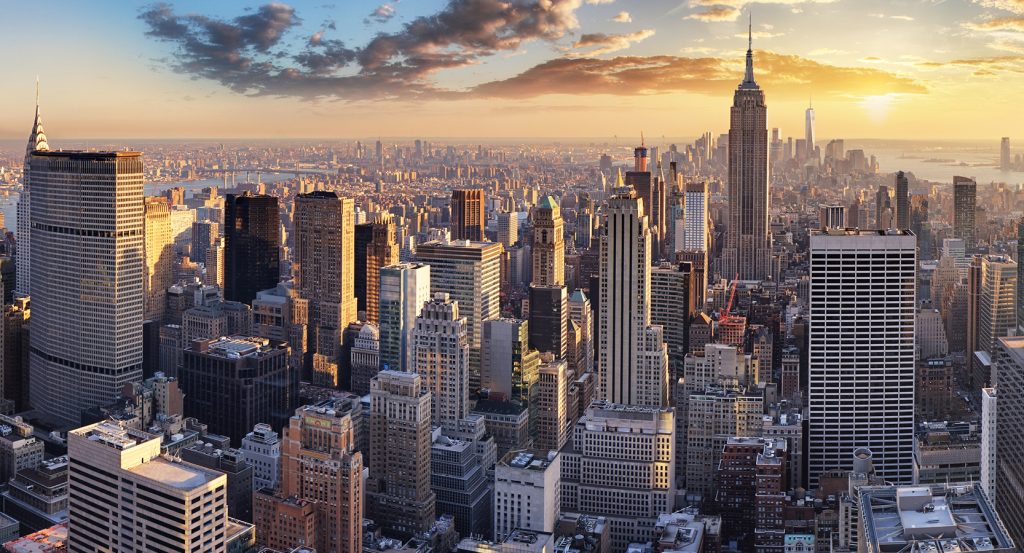
Why Long Island City matters.
Long Island City is a dynamic enclave where western Queens' industrial heritage, waterfront renewal, architectural innovation, and artistic vitality converge into one of New York City's most influential urban districts.
Positioned between Astoria, Sunnyside, and the East River, former factories, soaring residential towers, restored waterfronts, and thriving cultural institutions create an environment shaped by more than a century of industrial enterprise and continuous reinvention. Manufacturing history, transportation infrastructure, and sustained private and public investment distinguish Long Island City while reflecting western Queens' remarkable evolution. Historic industrial buildings, contemporary architecture, and internationally recognized arts organizations collectively reinforce a district whose character continues balancing preservation with innovation. The result is an experience defined by architectural diversity, creative energy, and a waterfront community that continually reinterprets its industrial foundations.
What defines Long Island City.
Long Island City is best known for being incorporated as an independent city in 1870 through the consolidation of Astoria Village, Ravenswood, Hunters Point, Blissville, Dutch Kills, Middletown, and surrounding communities before becoming part of New York City during the 1898 consolidation. Positioned opposite Midtown along the East River, the district rapidly developed into one of the Northeast's foremost manufacturing and distribution centers through extensive rail yards, freight terminals, factories, warehouses, and docks supported by the Long Island Rail Road and Queensboro Bridge after its completion in 1909. Twentieth-century industry included major operations by Silvercup Studios, Sunshine Biscuits, Eagle Electric, Loose-Wiles Biscuit Company, and numerous printing, food-processing, and manufacturing firms whose facilities defined the neighborhood's built environment. Long Island City also contains several designated historic districts and architecturally significant industrial buildings that preserve Italianate, Romanesque Revival, early twentieth-century commercial, and modern industrial design reflecting successive phases of economic development.
Industrial decline during the late twentieth century encouraged extensive adaptive reuse as brick factories, warehouse lofts, and commercial buildings attracted artists, designers, technology firms, and creative businesses seeking expansive interiors and durable industrial construction. That transition accelerated after the 2001 rezoning of the Hunters Point waterfront, which introduced new residential development while preserving substantial portions of the district's manufacturing base and encouraging contemporary architecture alongside historic industrial streetscapes. Continued investment by cultural organizations, commercial developers, and preservation advocates has strengthened Long Island City's character as a place where nineteenth-century industry, twentieth-century manufacturing, and twenty-first-century innovation remain visibly interconnected. Together, these planning initiatives, architectural transitions, and economic developments demonstrate how Long Island City continues evolving while preserving the physical structure established during its industrial ascendancy.
How Long Island City fits.
Long Island City works as a full-day exploration of waterfront landscapes, contemporary culture, and industrial history.
Begin at Gantry Plaza State Park, where restored gantries, expansive East River promenades, and sweeping skyline views introduce the waterfront that powered Long Island City's industrial rise. Continue to MoMA PS1, whose internationally respected contemporary art exhibitions occupy a beautifully adapted nineteenth-century public school building that reflects the district's continuing creative evolution. Conclude at Hunters Point South Park, where landscaped shorelines, public spaces, and broad river vistas provide a memorable finale celebrating the transformation of Long Island City's historic waterfront. The progression moves naturally from industrial waterfront heritage through contemporary artistic expression before concluding within a thoughtfully designed public shoreline, demonstrating how preservation, creativity, and geography collectively define Long Island City.
Where your story begins.
Foresyte Travel reveals places that feel extraordinary long before you arrive.
Enjoy editorial crafted for luxury travelers.
Foresyte may earn a commission when you book.







































































































