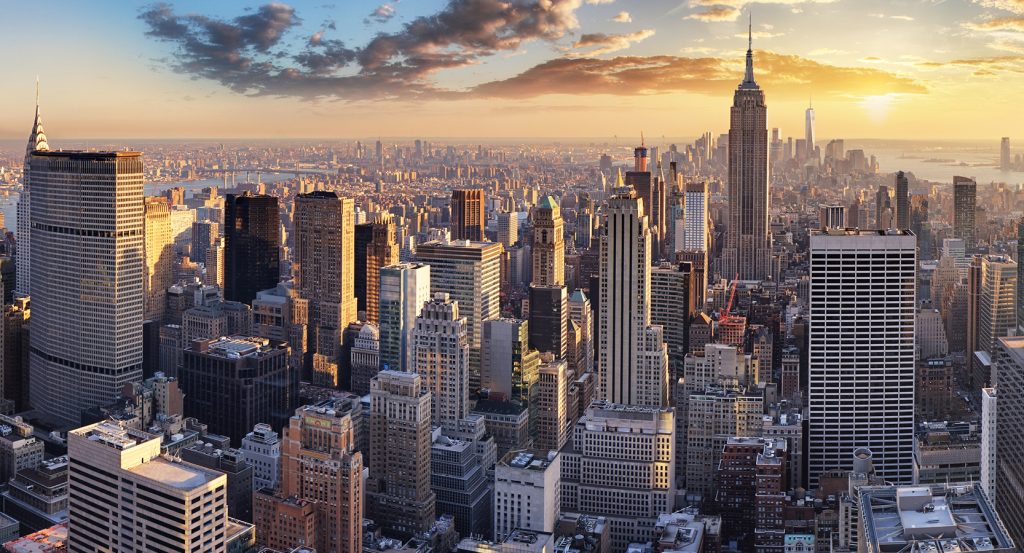
Why you should experience 90th Street in New York, NY.
90th Street is a cultivated corridor where Upper East Side's residential elegance, cultural heritage, neighborhood character, and enduring Manhatta character shape one of the city's defining streets.
Running through Upper East Side between Carl Schurz Park and Central Park, the corridor connects distinguished apartment houses, schools, museums, churches, neighborhood businesses, and public green spaces that collectively reflect more than a century of carefully guided urban development. Beaux-Arts apartment buildings, limestone townhouses, educational institutions, cultural organizations, landscaped streetscapes, and established residential blocks reveal a corridor shaped by rapid transit expansion, architectural ambition, civic investment, and sustained neighborhood stewardship. Residents, educators, healthcare professionals, entrepreneurs, museum patrons, and community organizations continue reinforcing 90th Street's importance while supporting housing, education, culture, and civic life throughout the Upper East Side. The result is an experience defined by architectural continuity, institutional strength, and the enduring character of one of Manhattan's defining streets.
What you should know about 90th Street.
90th Street is best known for connecting Central Park with the East River across the Upper East Side, where the Commissioners' Plan of 1811 established one of Manhattan's principal crosstown streets as farmland gradually gave way to elegant residential development during the nineteenth century. Construction accelerated after the arrival of the IRT Lexington Avenue Line, whose nearby 86th Street station opened in 1918, encouraging apartment-house construction, neighborhood commerce, educational institutions, and civic organizations throughout the surrounding blocks. During the early twentieth century, substantial apartment buildings, private residences, churches, and schools transformed the corridor into an established residential address while preserving direct access to both Central Park and the East River waterfront. Today 90th Street reflects more than two centuries of planning that integrates transportation infrastructure, residential architecture, public landscapes, and cultural institutions within one of Manhattan's most historically significant urban corridors.
The corridor's cultural character is strengthened by the nearby Cooper Hewitt, Smithsonian Design Museum, housed in the Andrew Carnegie Mansion, completed in 1902 and opened as the museum's permanent home in 1976. Recreation extends eastward into Carl Schurz Park, established in 1934, whose waterfront promenades surround Gracie Mansion, the official residence of New York City's mayor since 1942. Educational excellence continues through The Dalton School, founded in 1919, which remains one of the city's best-known independent schools and reflects the Upper East Side's longstanding academic tradition. Together, these cultural, civic, and educational institutions demonstrate how 90th Street has evolved through sustained investment in scholarship, public space, and architectural preservation.
How to fold 90th Street into your trip.
90th Street works as an exploration of the Upper East Side's cultural institutions, celebrated public landscapes, and residential heritage.
Begin at Central Park, where historic landscapes, winding pathways, and masterful park design establish the civic setting that continues defining the western end of 90th Street. Continue to the Cooper Hewitt, Smithsonian Design Museum, where pioneering exhibitions, the historic Andrew Carnegie Mansion, and internationally significant design collections deepen the experience by revealing the cultural ambitions that have long distinguished the Upper East Side. Conclude at Carl Schurz Park, where landscaped waterfront promenades, Gracie Mansion, and panoramic views across the East River provide the historical payoff by illustrating how 90th Street connects residential life with one of Manhattan's most distinguished civic landscapes. The sequence progresses naturally from parkland to design history before culminating along the East River, revealing how 90th Street unites culture, public investment, and neighborhood continuity across the Upper East Side.
Where your story begins.
Foresyte Travel reveals places that feel extraordinary long before you arrive.
Experience premium editorial crafted for luxury travelers.