
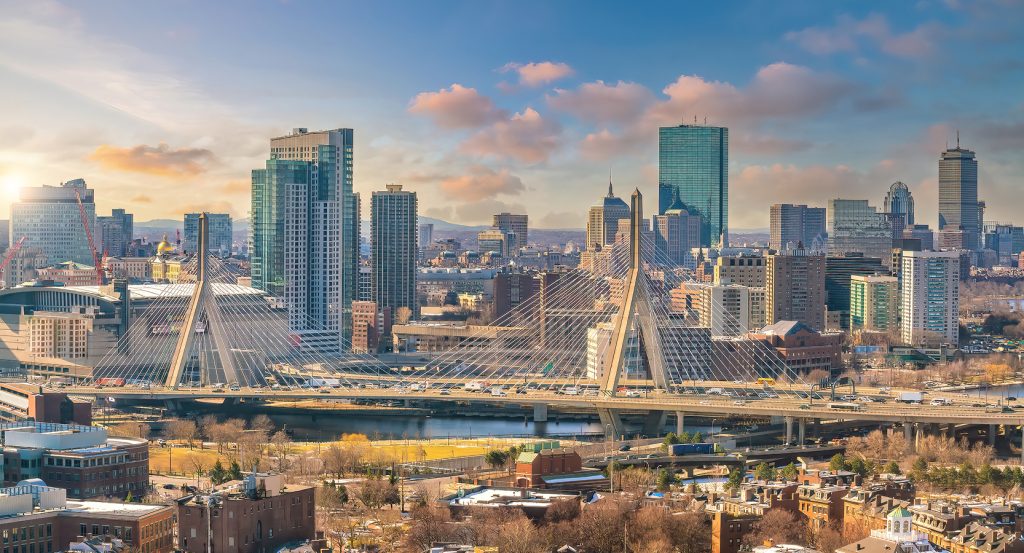
Why you should experience Walnut Street in Boston, Massachusetts.
Walnut Street is a graceful corridor where Beacon Hill's architectural elegance, residential heritage, civic history, and enduring neighborhood character define one of Boston's most distinguished streets.
Running through Beacon Hill between the West End and the Boston Common area, the corridor connects refined brick rowhouses, historic churches, intimate garden spaces, and handsome streetscapes that collectively embody one of America's most celebrated nineteenth-century neighborhoods. Each successive block heightens the experience as Federal and Greek Revival architecture, brick sidewalks, wrought-iron railings, and mature street trees reveal the remarkable continuity of Beacon Hill's historic fabric. The corridor reaches its defining moment where architectural harmony, centuries of preservation, and an unmistakable sense of place combine into one of Boston's most memorable residential environments. The result is an experience defined by architectural refinement, historic continuity, and one of Beacon Hill's most enduring corridors.
What you should know about Walnut Street.
Walnut Street is best known for extending through the Beacon Hill Historic District, whose early nineteenth-century development transformed the former slopes of Beacon Hill into one of America's finest collections of Federal and Greek Revival residential architecture. Residential construction accelerated between the 1820s and 1850s as prominent merchants, attorneys, physicians, and civic leaders commissioned elegant brick rowhouses distinguished by Flemish-bond masonry, granite lintels, decorative ironwork, bowed façades, and finely crafted door surrounds. The corridor developed within a neighborhood shaped by master builder Charles Bulfinch, whose broader planning influence established the orderly residential character that continues defining Beacon Hill's streetscape. Recognition as a National Historic Landmark District in 1962 affirmed the exceptional architectural integrity and historical significance preserved throughout the surrounding neighborhood. Collectively, Beacon Hill's early nineteenth-century expansion, distinguished Federal and Greek Revival architecture, Bulfinch's enduring influence, and National Historic Landmark designation established Walnut Street as one of Boston's defining historic residential corridors.
Bordering the corridor, The Vilna Shul, dedicated in 1919, preserves Boston's last remaining immigrant-era synagogue building in Beacon Hill, reflecting the neighborhood's evolving social history through carefully conserved masonry, stained glass, and original sanctuary interiors. Nearby, the Nichols House Museum, completed in 1804 for merchant Joshua Harrington, preserves an exceptional Federal townhouse whose collections document generations of domestic life within Beacon Hill's historic residential landscape. Throughout the surrounding streets, original granite curbstones, hand-laid brick sidewalks, cast-iron fencing, and nineteenth-century gas street lamps continue reinforcing the neighborhood's remarkable physical continuity across more than two centuries of urban development. Together, these preserved institutions, historic residences, and enduring streetscape features demonstrate how Walnut Street evolved within one of America's most architecturally cohesive historic neighborhoods.
How to fold Walnut Street into your trip.
Walnut Street works as an exploration of Boston's architectural, cultural, and civic heritage.
Begin at Massachusetts State House, where Charles Bulfinch's celebrated design introduces the civic and architectural history that shaped Beacon Hill before naturally leading into Walnut Street. Continue to Louisburg Square, where one of Boston's most distinguished residential enclaves deepens appreciation for Beacon Hill's elegant urban design while extending the experience through its refined nineteenth-century streetscape. Conclude at Boston Common, where America's oldest public park provides a fitting finale connecting Beacon Hill's residential legacy with the landscape that has anchored Boston since 1634. The progression moves naturally from civic architecture to residential elegance before concluding in Boston's defining public landscape, revealing why Walnut Street remains central to Beacon Hill's enduring identity.
Where your story begins.
Foresyte Travel reveals places that feel extraordinary long before you arrive.
Experience premium editorial crafted for luxury travelers.







































































































