Why you should experience 24th Avenue East in Seattle, Washington.
24th Avenue East is a elegant corridor where Montlake's residential heritage, architectural refinement, lakeside landscapes, and enduring neighborhood traditions create one of Seattle's most distinguished streets.
Running through Montlake between Portage Bay and Washington Park, the corridor connects historic residential blocks, neighborhood institutions, landscaped boulevards, and elevated streets that collectively reflect more than a century of carefully planned urban development. Craftsman residences, Tudor Revival homes, Colonial Revival estates, brick retaining walls, mature Douglas firs, Pacific dogwoods, ornamental flowering cherries, and landscaped planting strips establish a streetscape where architectural continuity and natural topography remain closely intertwined. Throughout the corridor, generations of architects, physicians, educators, university faculty, merchants, and neighborhood families have cultivated an atmosphere defined by stewardship, craftsmanship, and enduring residential identity. The result is an experience distinguished by architectural richness, mature landscapes, and one of Montlake's defining corridors.
What you should know about 24th Avenue East.
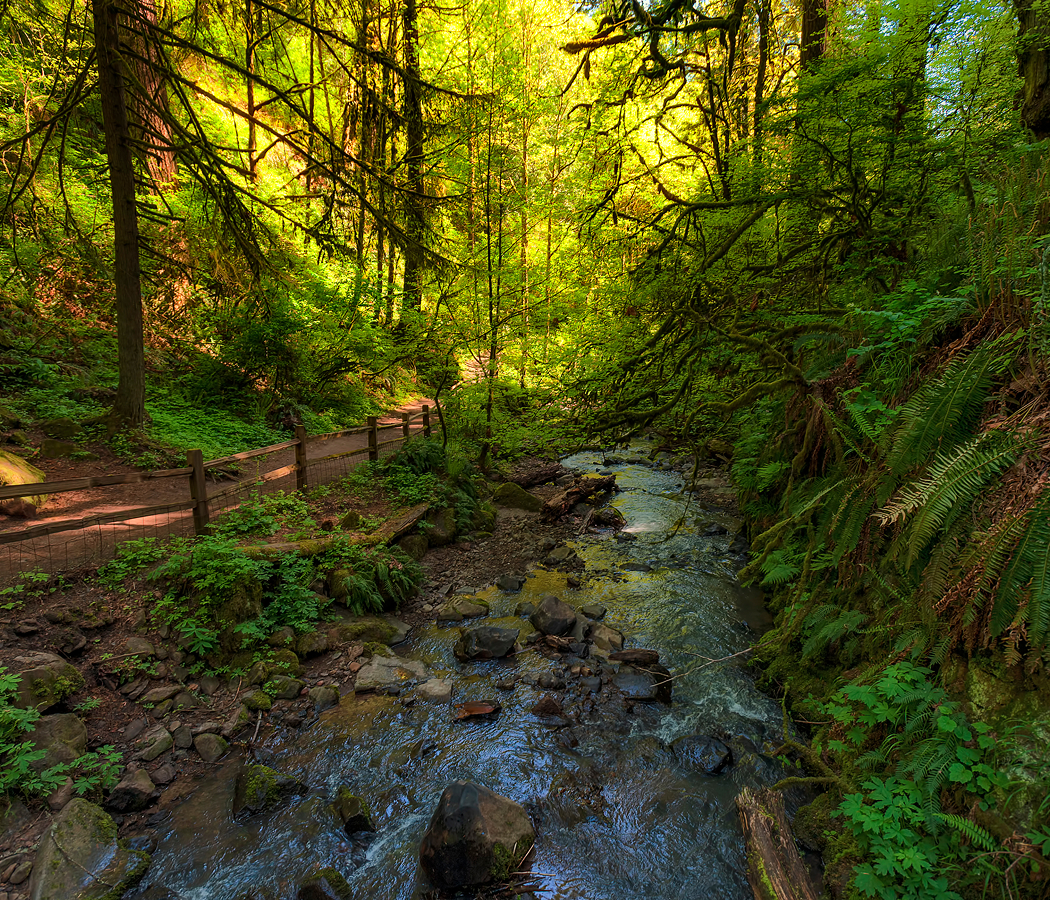
24th Avenue East is best known for extending through Montlake, whose transformation accelerated after construction of the Lake Washington Ship Canal and the opening of the Montlake Cut in 1916, reshaping the surrounding landscape while encouraging coordinated residential development overlooking Portage Bay and Union Bay. Construction flourished throughout the 1910s, 1920s, and 1930s, producing Craftsman houses, Tudor Revival residences, Colonial Revival homes, apartment buildings, churches, and civic structures constructed with cedar shingles, clinker brick, structural timber, reinforced concrete, decorative half-timbering, leaded-glass windows, and finely crafted wood millwork. The corridor matured alongside architects, engineers, physicians, university faculty, attorneys, merchants, and civic leaders whose sustained investment established Montlake as one of Seattle's most cohesive early twentieth-century residential neighborhoods. Douglas firs, western red cedars, Pacific dogwoods, bigleaf maples, Anna's hummingbirds, barred owls, and native understory vegetation continue contributing to the ecological character surrounding the avenue today. Together, these engineering milestones, architectural traditions, construction methods, occupational histories, material craftsmanship, and native landscapes establish 24th Avenue East as one of Montlake's defining historic corridors.
Architect Edwin J. Ivey contributed to Seattle's early twentieth-century residential architecture through commissions emphasizing balanced proportions, durable masonry construction, restrained ornamentation, and careful integration with sloping residential sites. His work reflected a broader architectural movement that encouraged substantial brick chimneys, exposed timber framing, divided-light wood sash windows, handcrafted millwork, decorative masonry, and thoughtfully proportioned façades throughout Montlake. Original clinker brick, cedar siding, heavy timber framing, preserved wood millwork, decorative stonework, and historic retaining walls continue illustrating the construction traditions that define many of 24th Avenue East's earliest surviving residences. Together, Ivey's architectural influence, Montlake's enduring residential craftsmanship, and the corridor's remarkably cohesive historic fabric explain why 24th Avenue East remains one of Seattle's finest neighborhood streets.
How to fold 24th Avenue East into your trip.
24th Avenue East works as an exploration of Montlake's architectural heritage, waterfront landscapes, and park traditions.
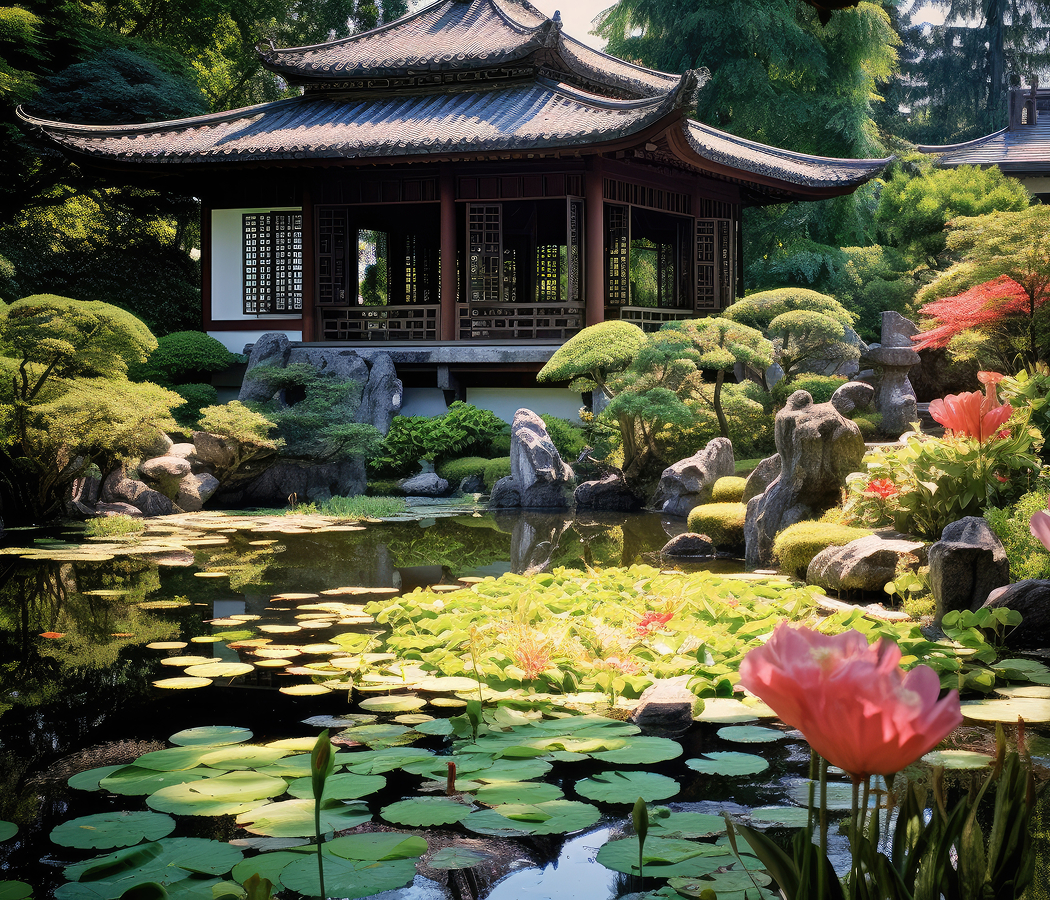
Begin at Washington Park Arboretum, where internationally recognized botanical collections, wooded trails, and seasonal landscapes introduce the natural setting that has shaped Montlake for generations. Continue to Seattle Japanese Garden, whose meticulously designed landscapes and enduring cultural significance deepen appreciation for the neighborhood's cultivated character before naturally guiding the experience toward its concluding destination. Conclude at Montlake Cut, where passing vessels, engineering history, and sweeping waterfront views provide the historical payoff by revealing the waterway that continues defining the character of 24th Avenue East. The progression moves naturally from botanical landscapes through cultural design before concluding beside the engineering achievement that transformed the neighborhood.
Where your story begins.
Foresyte Travel reveals places that feel extraordinary long before you arrive.
Experience premium editorial crafted for luxury travelers.