Why Washington Park Arboretum matters.
Washington Park Arboretum is a living library of the natural world, curated in color and calm.
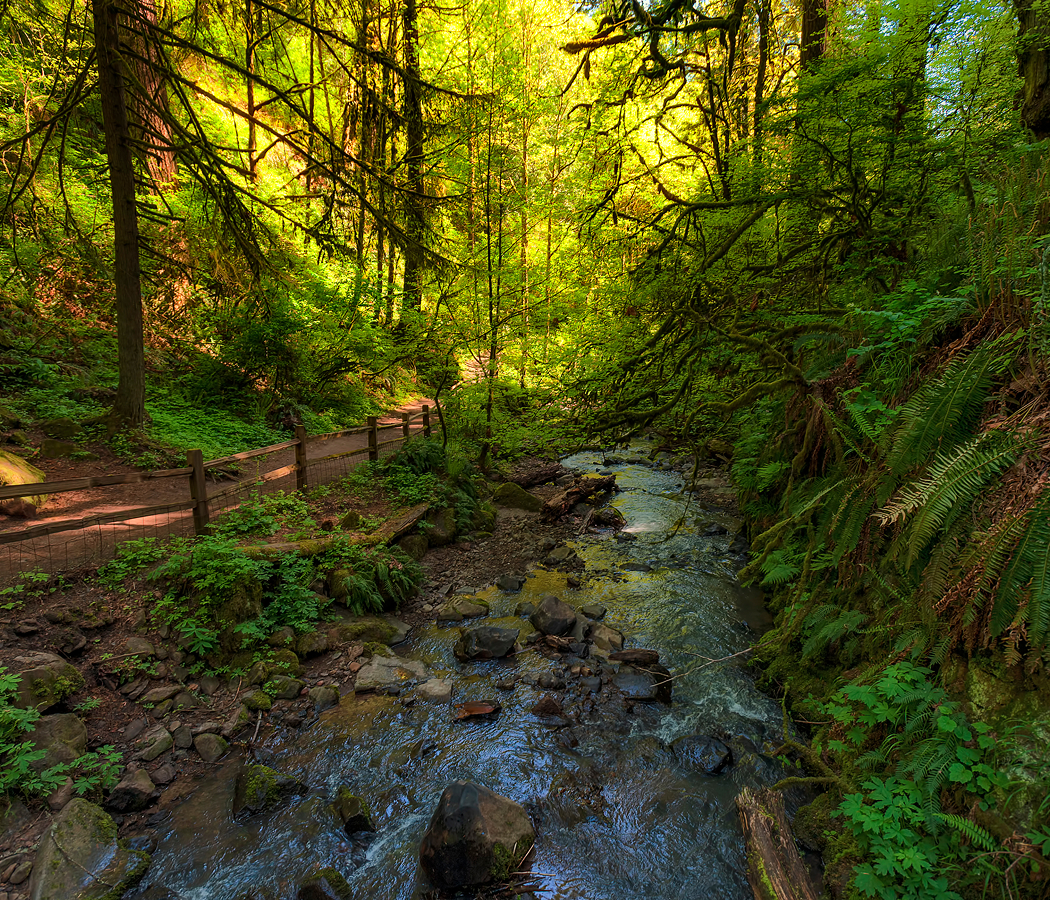
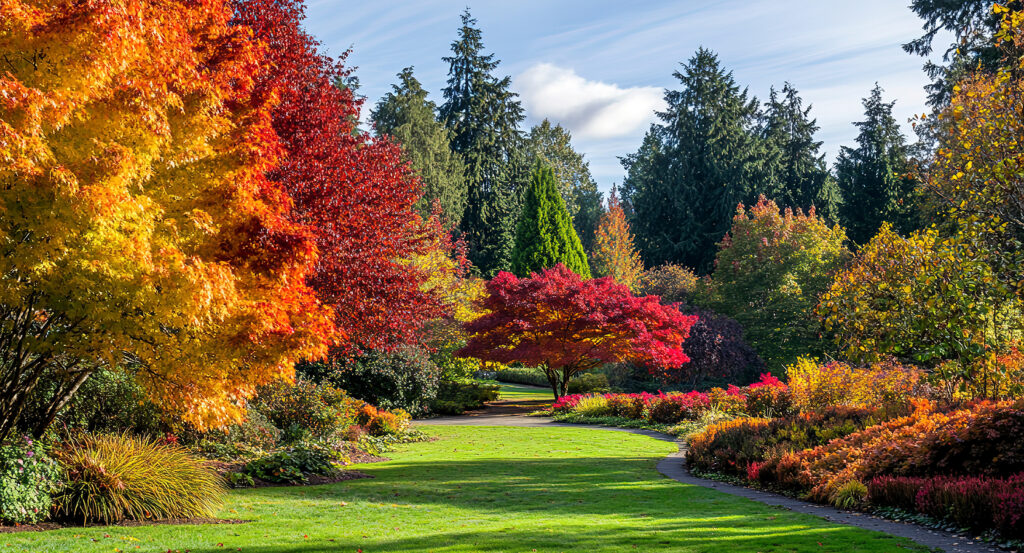
Stretching over 230 acres along the shores of Lake Washington, this urban oasis feels both wild and refined, a place where moss-draped branches meet manicured paths, and still water mirrors the changing sky. Jointly managed by the University of Washington and the City of Seattle, the Arboretum is a masterpiece of landscape design and ecological diversity. Step inside and the city falls away; the air cools, the leaves whisper, and every turn reveals another vignette, groves of Japanese maples glowing crimson in autumn, magnolias bursting with pink and white in spring, and towering evergreens framing the water year-round. Its collection spans continents, with plants from Asia, North America, and the Southern Hemisphere thriving side by side, forming one of the most significant public plant collections in the U.S. The Arboretum isn't just a walk in the park, it's a quiet act of wonder, where the world's ecosystems gather to breathe together.
What defines Washington Park Arboretum.
Behind its serene beauty lies nearly a century of vision, research, and resilience.
Established in 1934 during the Great Depression, the Arboretum was designed by the Olmsted Brothers, heirs to the legacy of Central Park's creator, who envisioned it as both a refuge and a classroom. Its living collections were carefully curated to showcase the adaptability and artistry of global plant life, from rhododendrons and azaleas to conifers and camellias. Over the decades, it became a vital resource for botanical research, conservation, and education, housing more than 20,000 trees, shrubs, and vines. Among its highlights are the Pacific Connections Garden, celebrating plants from five Pacific Rim regions, and the historic Japanese Garden, a tranquil masterpiece designed by Kiyoshi Inoshita and built in 1960. The Arboretum also plays a crucial role in climate adaptation research, studying how global warming reshapes growth patterns and biodiversity. What began as a civic beautification project has blossomed into one of the most forward-thinking botanical institutions in the world, a living classroom rooted in science and soul.
How Washington Park Arboretum fits.
To experience the Arboretum the way Seattleites do, let the weather lead the way.
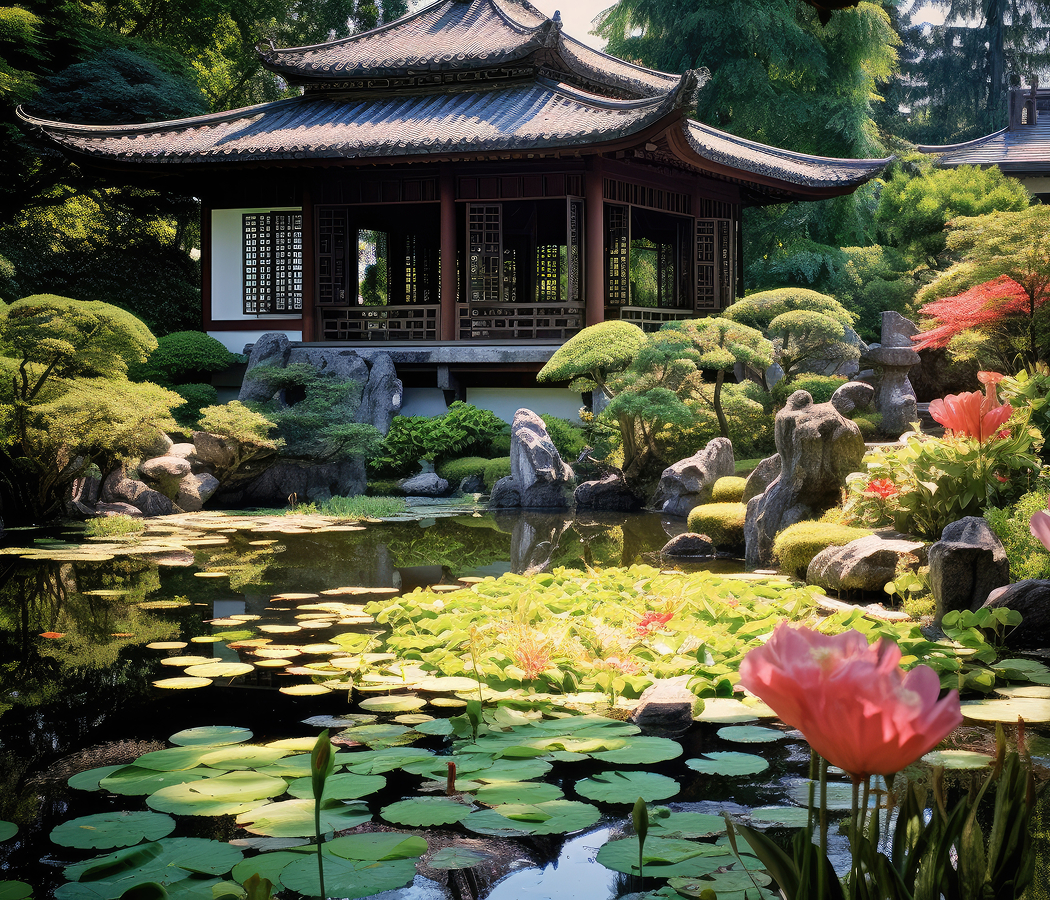
On misty mornings, wander the winding trails beneath the dripping canopy, where raindrops bead on maple leaves and the air smells of cedar and earth. In spring, follow the Azalea Way, a mile-long promenade that explodes in color like a watercolor painting come to life. Visit the Japanese Garden for a moment of stillness, where koi ripple through quiet ponds and stone lanterns mark the passage of time. Summer brings picnics and paddleboards along the adjacent Lake Washington shoreline, while autumn turns the entire park into a firework of golds and reds reflected in still water. If you have time, rent a canoe from the UW Waterfront Activities Center and glide through the Arboretum's hidden waterways, where lilypads bloom and herons perch like sentinels. End your visit with tea or coffee at a nearby café in Madison Park, the calm still lingering long after you leave. Washington Park Arboretum isn't just a stop on an itinerary, it's Seattle's soul in botanical form, always growing, always renewing, always alive.
Where your story begins.
Foresyte Travel reveals places that feel extraordinary long before you arrive.
Enjoy editorial crafted for luxury travelers.
Foresyte may earn a commission when you book.