
Why you should experience 9/11 Memorial & Museum Museum Pavilion in New York, NY.
The 9/11 Memorial & Museum Museum Pavilion is where memory becomes immersive, a descent into the undercurrent of history that shaped the modern soul of New York. The structure itself, designed by Snøhetta, gleams like a shard of light rising from the depths of shadow. Its glass façade reflects the trees of the memorial above while revealing glimpses of the museum's steel skeleton within, a delicate dance between transparency and strength. Inside, you step into an experience that transcends exhibition, artifacts, audio testimonies, and remnants of the towers converge into something profoundly human.
Every corridor feels alive with emotion. The preserved slurry wall, a remnant of the original foundation, anchors the space, a literal and symbolic tribute to resilience. You move through chambers of sound and stillness, images and silence, until you find yourself staring at twisted steel beams that once framed the sky. It's not just a museum, it's an encounter with the gravity of remembrance.
What you should know about 9/11 Memorial & Museum Museum Pavilion.
What many visitors overlook is the intricate thought behind every detail of the 9/11 Museum Pavilion's design. The architects envisioned the building as a bridge between worlds, the visible city above and the sacred cavern below. Its angles mirror the geometry of the fallen towers, subtly reorienting visitors toward the skyline they replaced. The museum's “Foundation Hall” descends nearly 70 feet below ground, where engineers preserved the bedrock that once held the towers steady.
Among the museum's most intimate artifacts are everyday objects, a firefighter's helmet, a pair of shoes, handwritten notes, that reclaim the enormity of loss through the language of the ordinary. Each item was selected with precision to evoke empathy, not performance. The curation invites reflection rather than reaction, a call to listen, to feel, to remember without intrusion.
How to fold 9/11 Memorial & Museum Museum Pavilion into your trip.
To fold the 9/11 Museum Pavilion into your trip is to confront history in the most human way possible. Schedule ample time, this isn't a stop to rush. Arrive mid-morning, when natural light filters through the glass atrium, and begin your descent into the museum's heart. Give yourself permission to linger in silence; to breathe deeply when the emotion feels heavy; to let memory and meaning settle.
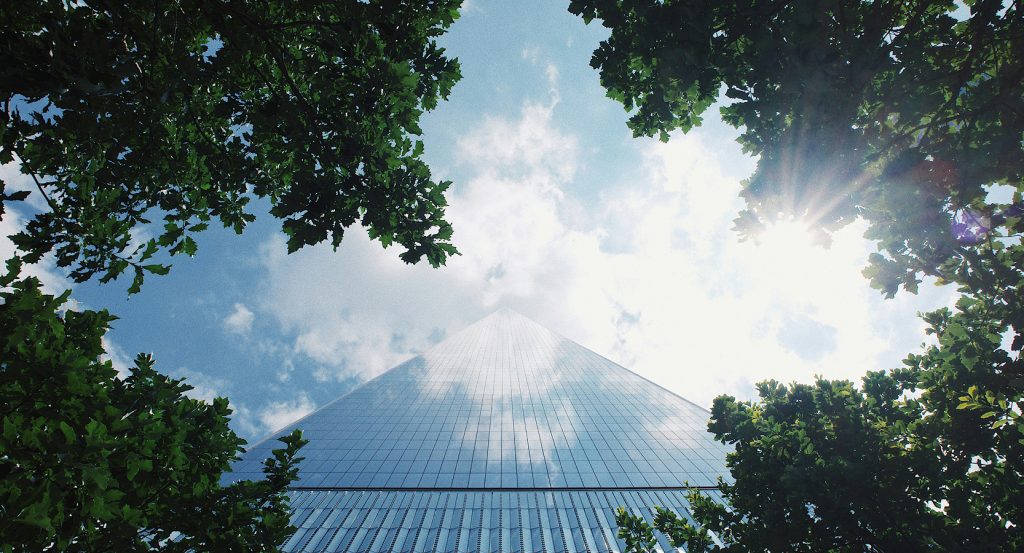
Afterward, emerge back into the daylight of the memorial plaza and look up, the One World Trade Center gleaming above is the final chapter in this story, a tribute to rebirth. From there, consider walking to Battery Park or along the Hudson River to absorb what you've felt. The museum doesn't end when you leave its doors, it continues in how you carry the weight of its truth.
Where your story begins.
Foresyte Travel reveals places that feel extraordinary long before you arrive.
Experience premium editorial crafted for luxury travelers.







































































































