
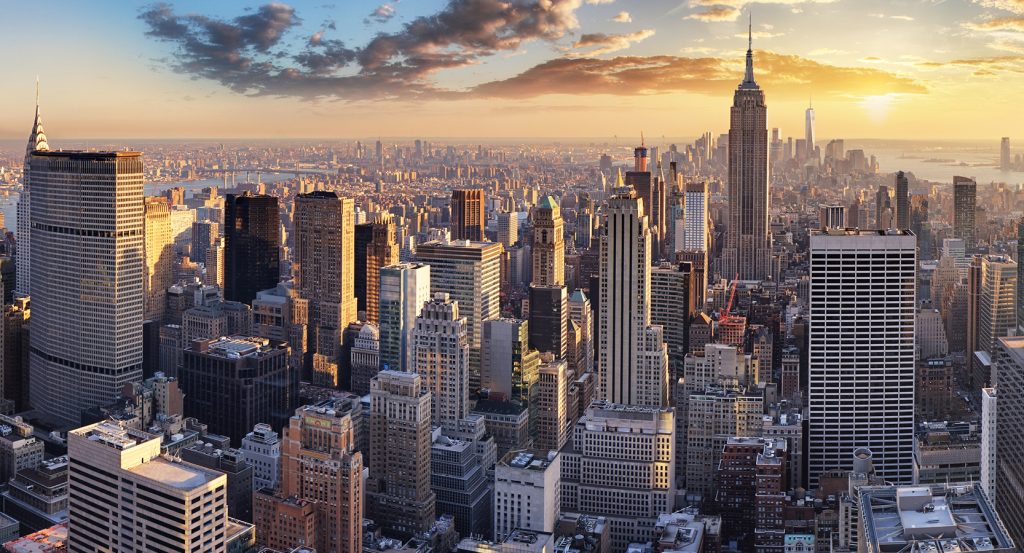
Why Chambers Street matters.
Chambers Street is a historic Tribeca corridor where civic leadership, architectural grandeur, and urban connectivity converge along one of Lower Manhattan's most important streets.
Running through Tribeca between the Financial District and the Hudson River waterfront, this major east-west thoroughfare connects landmark government buildings, transportation hubs, cultural institutions, public gathering spaces, neighborhood destinations, and architectural treasures that have shaped New York life for generations. Historic civic structures, Beaux-Arts landmarks, transit infrastructure, commercial buildings, and celebrated streetscapes create an environment defined by influence and continuity. The corridor evolved alongside New York's emergence as a global metropolis, serving generations of public officials, merchants, commuters, residents, and civic leaders. Architects, planners, politicians, preservationists, entrepreneurs, and community advocates helped establish a legacy that continues to influence the city today. To the east, the Financial District extends naturally from Chambers Street through a collection of historic streets, civic landmarks, and neighborhood destinations that reinforce the corridor's enduring significance. The result is a street defined by governmental importance, historical depth, and enduring metropolitan influence.
What defines Chambers Street.
Chambers Street is best known for being named after John Chambers, the colonial-era lawyer and acting governor whose estate once occupied much of the surrounding area.
A prominent legal figure in eighteenth-century New York, Chambers accumulated substantial landholdings in Lower Manhattan during a period of rapid colonial growth. As the city expanded beyond its earliest settlement patterns, streets established across former estate lands preserved the names of influential landowners and civic leaders. Chambers Street subsequently became one of the principal thoroughfares connecting New York's governmental, commercial, and residential districts. Its name remains a lasting reminder of the individuals who shaped the city during its formative years. Few Manhattan streets maintain such a direct connection to both colonial landownership and the civic development of Lower Manhattan.
How Chambers Street fits.
Chambers Street works as an exploration of civic history, architectural landmarks, and Lower Manhattan identity.
Begin at City Hall, where the corridor's defining relationship with governance, public service, and civic leadership immediately comes into focus. Continue toward the Tweed Courthouse, whose architectural significance reveals the political and institutional history that helped shape the surrounding district across generations. From there, make your way to the African Burial Ground National Monument, where one of New York's most important historical landmarks provides broader perspective on the diverse communities and historical forces that continue to define Lower Manhattan today. Along the route, you'll encounter civic institutions, architectural treasures, transportation hubs, cultural landmarks, public gathering spaces, neighborhood destinations, and celebrated streetscapes that showcase the remarkable depth of the district. The progression moves naturally from City Hall to the Tweed Courthouse to the African Burial Ground National Monument, revealing how governance, public investment, and historical preservation combined to shape one of Manhattan's most influential corridors. Chambers Street remains one of New York's most rewarding thoroughfares, preserving a distinctive balance between historical significance, civic importance, and contemporary urban vitality.
Where your story begins.
Foresyte Travel reveals places that feel extraordinary long before you arrive.
Enjoy editorial crafted for luxury travelers.
Foresyte may earn a commission when you book.







































































































