
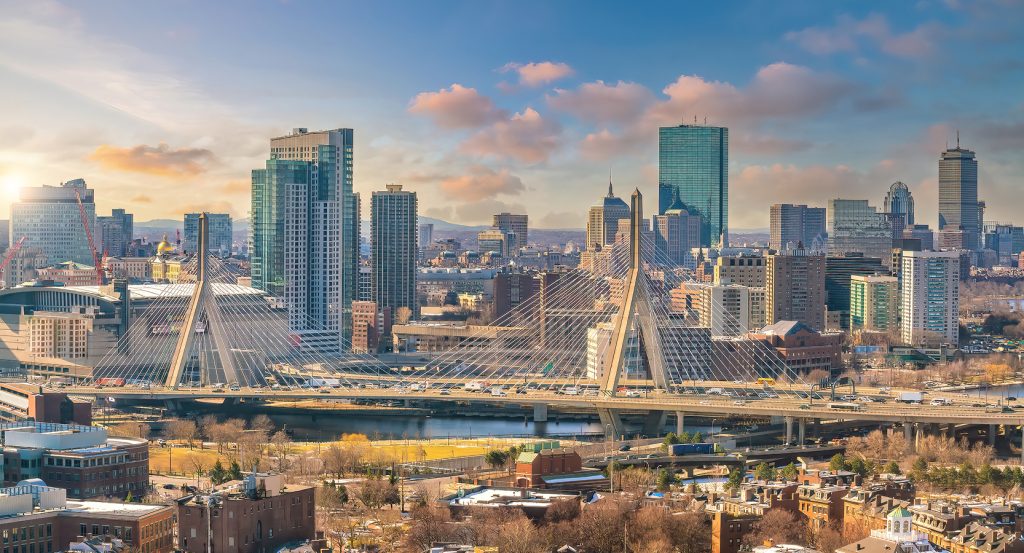
Why you should experience Chauncy Street in Boston, Massachusetts.
Chauncy Street is a polished corridor where Downtown's commercial heritage, architectural evolution, theatrical energy, and mercantile traditions continue shaping one of the city's enduring business streets.
Running through Downtown between the Financial District and Chinatown, the corridor connects historic commercial blocks, performance venues, office buildings, and retail storefronts that reveal the district's continual reinvention over nearly two centuries. Each successive block unfolds through richly ornamented masonry, cast-iron storefronts, granite façades, narrow urban proportions, and an energetic pedestrian rhythm that reflects Boston's longstanding role as New England's commercial center. The defining moment arrives as nineteenth-century architecture stands comfortably alongside contemporary business activity, preserving a tangible connection between Boston's mercantile past and its present-day economy. The result is an experience defined by architectural continuity, commercial history, and one of Downtown's most engaging corridors.
What you should know about Chauncy Street.
Chauncy Street is best known for developing during Boston's nineteenth-century commercial expansion as merchants, wholesalers, publishers, and manufacturers established substantial business premises between the Financial District and the emerging Theater District. Commercial construction accelerated after the Great Boston Fire of 1872, producing an impressive collection of Italianate, Romanesque Revival, and Chicago School commercial buildings distinguished by granite bases, brick masonry, cast-iron storefronts, pressed-metal cornices, large display windows, and steel structural framing that reflected advances in urban building technology. Insurance firms, textile merchants, printers, jewelers, and wholesale dry-goods companies occupied successive generations of buildings, reinforcing the corridor's position within Boston's expanding commercial economy. Carefully preserved façades, rhythmic window bays, decorative masonry, and durable stone detailing continue expressing the craftsmanship that characterized Downtown's rebuilding during the late nineteenth century. Collectively, the corridor's post-fire reconstruction, commercial architecture, mercantile enterprise, and enduring building traditions established Chauncy Street as one of Downtown's defining historic corridors.
Macy's at Downtown Crossing, occupying the historic Jordan Marsh site established in 1841, reflects the retail traditions that profoundly influenced the commercial environment surrounding Chauncy Street for well over a century. Historic Boston Incorporated and the Boston Landmarks Commission have documented and encouraged stewardship of nearby masonry façades, cast-iron storefronts, ornamental terra-cotta, and historically significant commercial buildings that reinforce the corridor's architectural character. Skilled stone conservators, ornamental metalworkers, brick masons, and restoration carpenters continue maintaining cornices, storefront assemblies, granite detailing, and decorative façade elements that distinguish the street's surviving nineteenth-century commercial architecture. Together, these retail institutions, preservation organizations, and specialized restoration practices demonstrate how Chauncy Street continues expressing the commercial craftsmanship that shaped Downtown's historic business district.
How to fold Chauncy Street into your trip.
Chauncy Street works as a walk through Boston's commercial and performing arts heritage.
Begin at Downtown Crossing, where historic department stores and thriving pedestrian streets establish the commercial traditions that define the surrounding district. Continue to the Cutler Majestic Theatre, where one of Boston's oldest operating performance venues deepens appreciation for the neighborhood's longstanding cultural identity. Conclude at the Old South Meeting House, where exhibitions and preserved eighteenth-century interiors provide the historical payoff by connecting Downtown's commercial evolution with the city's revolutionary past. The progression moves naturally from retail history to cultural life before culminating in one of Boston's defining chapters of American history.
Where your story begins.
Foresyte Travel reveals places that feel extraordinary long before you arrive.
Experience premium editorial crafted for luxury travelers.







































































































