
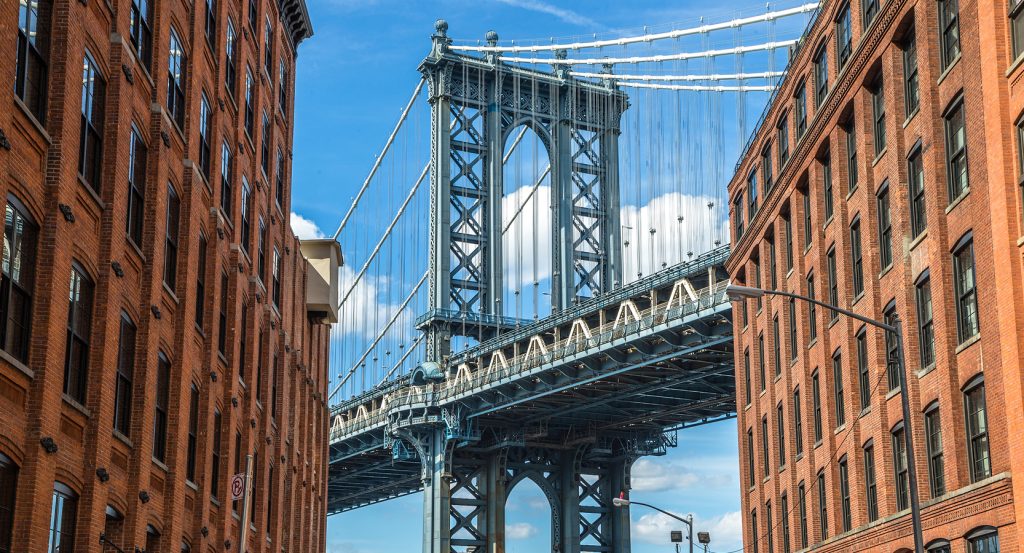
Why you should experience Cranberry Street in New York, NY.
Cranberry Street is a historic Brooklyn Heights corridor where architectural elegance, literary heritage, and Revolutionary history converge along one of the borough's most picturesque residential streets.
Running through Brooklyn Heights between DUMBO and Cobble Hill, this charming corridor connects landmark brownstone blocks, historic churches, neighborhood businesses, beautifully preserved townhouses, community institutions, and tree-lined residential streets that collectively showcase Brooklyn's remarkable architectural evolution. Federal-style homes, Greek Revival residences, Italianate brownstones, architecturally significant churches, mature tree canopies, and inviting neighborhood streets create a timeless urban landscape where generations of writers, civic leaders, and families have shaped one of New York City's first suburban communities. Cranberry Street developed during Brooklyn Heights' early nineteenth-century residential expansion, becoming part of America's first designated historic district while preserving an extraordinary concentration of architectural and cultural landmarks. The result is a corridor defined by architectural distinction, literary legacy, and enduring neighborhood character.
What you should know about Cranberry Street.
Cranberry Street is best known for being home to the Plymouth Church, founded in 1847 under Henry Ward Beecher as one of the nation's leading abolitionist churches.
Under Beecher's influential leadership, the congregation became nationally recognized for its outspoken opposition to slavery and its active support for the abolitionist movement, hosting prominent reformers including Frederick Douglass and raising funds to help enslaved people secure their freedom. The church also became closely associated with Brooklyn's Underground Railroad history, reinforcing its reputation as one of the country's most important centers of nineteenth-century social reform. Its enduring legacy continues to shape the historical character of Brooklyn Heights while preserving an inspiring chapter in the nation's pursuit of equality and justice. Today, Plymouth Church remains one of Brooklyn's most significant religious and civic landmarks.
How to fold Cranberry Street into your trip.
Cranberry Street works as an exploration of Brooklyn Heights' architectural heritage, abolitionist history, and waterfront beauty.
Begin at Plymouth Church, where one of America's most influential abolitionist congregations immediately establishes the street's defining historical legacy. Continue toward the Brooklyn Heights Promenade, whose sweeping views of Lower Manhattan and New York Harbor provide broader perspective on the neighborhood's enduring civic significance. From there, make your way to Brooklyn Bridge Park, where restored waterfront landscapes and historic piers showcase the remarkable transformation of Brooklyn's East River shoreline. Along the route, you'll encounter beautifully preserved brownstones, neighborhood cafés, architecturally significant churches, welcoming public spaces, scenic overlooks, and historic residential streets that reveal the corridor's exceptional depth. The progression moves naturally from nationally significant abolitionist landmark to iconic waterfront promenade to world-renowned urban park, demonstrating how Cranberry Street connects social history, architectural beauty, and public life within one of New York City's most distinguished neighborhoods. Cranberry Street remains one of the borough's most rewarding streets, preserving a distinctive balance between historical significance, architectural elegance, and neighborhood charm.
Where your story begins.
Foresyte Travel reveals places that feel extraordinary long before you arrive.
Experience premium editorial crafted for luxury travelers.







































































































