
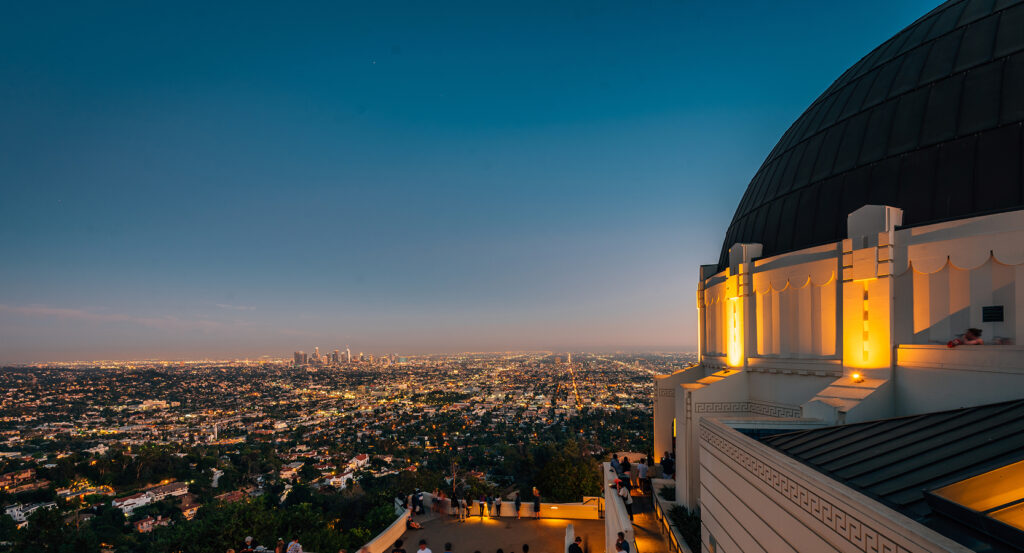
Why you should experience Fallbrook Avenue in Los Angeles, California.
Fallbrook Avenue is a dynamic corridor where Woodland Hills' commercial vitality, residential neighborhoods, educational institutions, and San Fernando Valley connectivity define one of western Los Angeles' most important north-south streets.
Running through Woodland Hills between West Hills and Warner Center, the corridor connects neighborhood shopping districts, schools, parks, healthcare facilities, offices, and established residential communities that collectively reflect the western San Fernando Valley's transformation into one of Los Angeles' principal suburban centers. Landscaped medians, mature street trees, neighborhood businesses, pedestrian-friendly sidewalks, and thoughtfully maintained public spaces preserve a corridor shaped by postwar suburban planning, transportation investment, and sustained civic development. City agencies, educational institutions, neighborhood organizations, local businesses, and residents continue reinforcing Fallbrook Avenue's importance while supporting commerce, education, recreation, and everyday mobility throughout the western San Fernando Valley. The result is an experience defined by accessibility, community continuity, and the enduring character of Woodland Hills.
What you should know about Fallbrook Avenue.
Fallbrook Avenue is best known for serving as one of the western San Fernando Valley's principal north-south corridors, linking Roscoe Boulevard, Sherman Way, Victory Boulevard, Burbank Boulevard, Ventura Boulevard, and surrounding arterial streets while connecting West Hills, Woodland Hills, Warner Center, and neighboring residential districts through a continuous urban corridor. The avenue expanded rapidly following the post-World War II residential development that transformed former agricultural land into master-planned suburban neighborhoods, with construction accelerating alongside the growth of the Ventura Freeway (U.S. Route 101) and the establishment of Warner Center as a major commercial and employment district during the 1960s and 1970s. Fallbrook Avenue provides direct access to Pierce College, Warner Center Park, and the Westfield Topanga retail district while supporting schools, medical offices, neighborhood businesses, and community services that have become central to daily life in western Los Angeles. The City of Los Angeles, Los Angeles Department of Transportation, and Metro continue coordinating roadway resurfacing, accessibility upgrades, bicycle improvements, traffic-signal modernization, and Complete Streets initiatives because Fallbrook Avenue functions simultaneously as a neighborhood corridor, commercial connector, commuter route, and regional arterial.
Pierce College, established in 1947 as part of the Los Angeles Community College District, occupies more than 420 acres while providing higher education, workforce training, and one of Southern California's best-known agricultural teaching facilities near Fallbrook Avenue. Warner Center Park serves as a principal public gathering space with concerts, festivals, and recreational programming that reinforce the civic character of the surrounding commercial district. Westfield Topanga, originally opened in 1964 and substantially redeveloped during the twenty-first century, remains one of the San Fernando Valley's largest regional shopping destinations while strengthening Fallbrook Avenue's commercial importance. Metro Local Line 244 and additional regional bus services integrate Fallbrook Avenue with Canoga Park, Woodland Hills, Chatsworth, and the broader Los Angeles transportation network while supporting access to employment centers, schools, and neighborhood destinations.
How to fold Fallbrook Avenue into your trip.
Fallbrook Avenue works as an exploration of Woodland Hills' parks, educational institutions, and commercial destinations.
Begin at Pierce College, where an expansive campus, agricultural heritage, and academic facilities introduce the educational foundations that continue shaping the western San Fernando Valley. Continue to Warner Center Park, where landscaped open space and year-round community events reflect the civic heart of the surrounding business district. Conclude at Westfield Topanga, where contemporary retail, dining, and public gathering spaces provide a fitting finale reflecting Fallbrook Avenue's continuing role as one of Woodland Hills' principal commercial corridors. The progression moves naturally from education to public recreation before concluding with regional commerce, revealing why Fallbrook Avenue continues expressing the enduring character of Woodland Hills.
Where your story begins.
Foresyte Travel reveals places that feel extraordinary long before you arrive.
Experience premium editorial crafted for luxury travelers.





































































































