
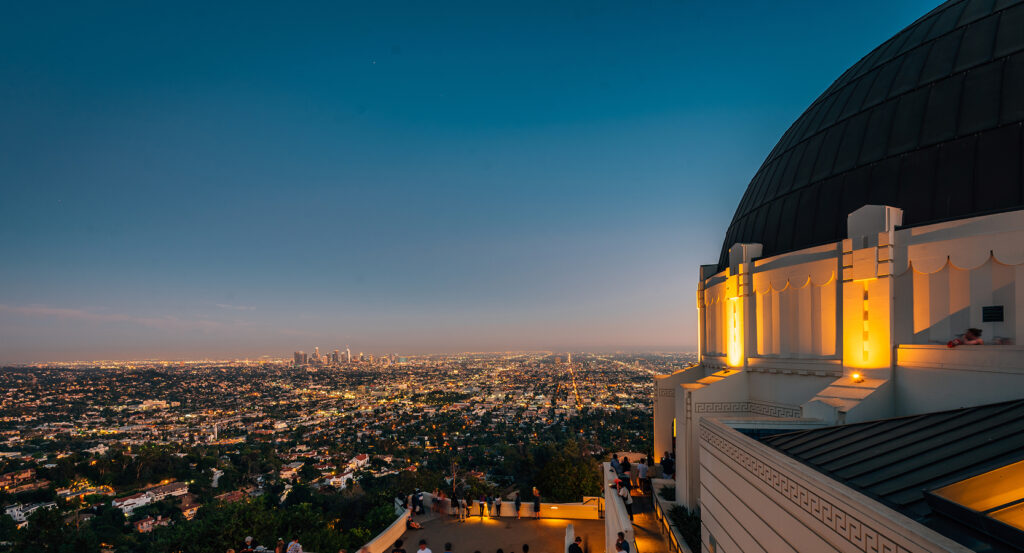
Why Glendale Avenue matters.
Glendale Avenue is a dynamic corridor where Downtown Glendale's civic institutions, commercial districts, cultural venues, and established neighborhoods define one of the city's most important north-south streets.
Running through Downtown Glendale between Tropico and Rossmoyne, the corridor connects municipal offices, shopping districts, schools, parks, healthcare facilities, entertainment venues, and established residential neighborhoods that collectively reflect Glendale's emergence as one of Southern California's foremost urban centers. Landscaped medians, mature street trees, preserved commercial architecture, modern mixed-density development, and pedestrian-friendly streets preserve a corridor shaped by early railroad growth, automobile-era expansion, and sustained municipal investment. City agencies, cultural institutions, educational organizations, neighborhood associations, and local businesses continue reinforcing Glendale Avenue's importance while supporting commerce, education, recreation, government, and everyday mobility throughout the city. The result is an experience defined by civic vitality, accessibility, and the enduring character of Downtown Glendale.
What defines Glendale Avenue.
Glendale Avenue is best known for serving as one of Glendale's principal north-south corridors, linking Colorado Street, Broadway, Lexington Drive, California Avenue, Wilson Avenue, and Glenoaks Boulevard while connecting Downtown Glendale with surrounding residential neighborhoods, commercial districts, and civic destinations. The corridor expanded rapidly after Glendale incorporated in 1906, when electric streetcar service, the Southern Pacific Railroad, and the city's growing commercial district transformed Glendale Avenue into a primary transportation spine supporting residential subdivision, business investment, and municipal development throughout the twentieth century. Glendale Avenue provides direct access to The Americana at Brand, Glendale Galleria, and Glendale City Hall, while also connecting residents with the Glendale Civic Center, reinforcing its longstanding role as one of the city's principal commercial and governmental corridors. The City of Glendale, Glendale Beeline, and California Department of Transportation continue coordinating Complete Streets improvements, roadway resurfacing, accessibility upgrades, bicycle facilities, traffic-signal modernization, and urban forestry initiatives because Glendale Avenue functions simultaneously as a commercial corridor, civic boulevard, transit corridor, and regional arterial.
Glendale City Hall, completed in 1940 in the Moderne style, anchors the Civic Center while housing the municipal government that oversees one of Los Angeles County's largest independent cities. The Americana at Brand, opened in 2008 and developed by Rick Caruso, reshaped Glendale Avenue's commercial environment through a mixed retail, dining, entertainment, and residential district that complements the neighboring Glendale Galleria, which first opened in 1976. Museum of Neon Art, relocated to Glendale Avenue in 2016, preserves and interprets historic neon signage and kinetic art while reinforcing the corridor's cultural identity. Glendale Beeline and Metro regional bus services operate along Glendale Avenue, integrating the corridor with Burbank, Pasadena, Los Angeles, and the wider regional transportation network.
How Glendale Avenue fits.
Glendale Avenue works as an exploration of Downtown Glendale's civic landmarks, cultural institutions, and commercial districts.
Begin at Glendale City Hall, where distinguished civic architecture and the surrounding Civic Center introduce the governmental history that has shaped Glendale Avenue for generations. Continue to Museum of Neon Art, where restored signs, kinetic sculptures, and rotating exhibitions reveal the artistic traditions associated with Southern California's commercial landscape. Conclude at The Americana at Brand, where landscaped public spaces, shops, restaurants, and entertainment venues provide a fitting finale reflecting Glendale Avenue's continuing role as the city's premier commercial corridor. The progression moves naturally from civic history to visual arts before concluding with contemporary urban life, revealing why Glendale Avenue continues expressing the enduring character of Downtown Glendale.
Where your story begins.
Foresyte Travel reveals places that feel extraordinary long before you arrive.
Enjoy editorial crafted for luxury travelers.
Foresyte may earn a commission when you book.





































































































