Why Harmon Avenue matters.
Harmon Avenue is a dynamic corridor where East Strip's resort architecture, entertainment innovation, hospitality investment, and commercial energy create one of Paradise's defining east-west thoroughfares.
Running through East Strip between Frank Sinatra Drive and Paradise Road, the corridor connects internationally recognized resorts, entertainment venues, convention facilities, luxury retail, hospitality campuses, and supporting commercial districts that collectively reflect the continuing evolution of the Las Vegas Strip. Resort towers, reinforced-concrete podiums, engineered pedestrian bridges, landscaped boulevards, high-performance glass façades, and architecturally ambitious hospitality developments establish an environment where destination entertainment, commerce, and business travel remain closely interconnected. Throughout the corridor, resort developers, architects, engineers, entertainers, hospitality executives, convention organizers, and business leaders have cultivated an environment defined by sustained private investment, design excellence, and international influence. The result is an experience distinguished by architectural ambition, commercial prominence, and one of East Strip's defining corridors.
What defines Harmon Avenue.
Harmon Avenue is best known for extending through East Strip, where opening of Planet Hollywood Resort & Casino in 2000 following the redevelopment of the former Aladdin, completion of ARIA Resort & Casino in 2009 as the centerpiece of CityCenter, and continued expansion of the Las Vegas Strip established the corridor among Southern Nevada's foremost hospitality and entertainment districts. Development accelerated alongside construction of The Cosmopolitan of Las Vegas in 2010, continued investment surrounding Harry Reid International Airport, expansion of the Las Vegas Monorail network nearby, and sustained convention growth that generated demand for luxury hotels, entertainment venues, retail environments, corporate offices, hospitality suppliers, and commercial development throughout the corridor. Construction introduced integrated resorts, entertainment venues, hospitality campuses, retail complexes, parking structures, and pedestrian infrastructure built with reinforced concrete, structural steel, high-performance glazing, architectural stone, engineered façades, and advanced building technologies reflecting successive generations of Las Vegas resort architecture. The corridor matured alongside resort operators, architects, engineers, entertainment companies, convention organizers, financial institutions, hospitality suppliers, and regional developers whose continued investment established East Strip among the world's foremost destinations for hospitality, exhibitions, dining, and live entertainment. Desert willow, blue palo verde, honey mesquite, creosote bush, Gambel's quail, mourning doves, and landscaped xeric vegetation continue contributing to the environmental character surrounding the avenue today. Collectively, these hospitality milestones, engineering achievements, construction technologies, occupational traditions, architectural materials, and Mojave Desert landscapes establish Harmon Avenue as one of East Strip's defining commercial corridors.
MGM Resorts International transformed the corridor through development of CityCenter, introducing one of the largest privately financed construction projects in United States history while reinforcing Harmon Avenue's international reputation for contemporary resort design. Pelli Clarke Pelli Architects, Adamson Associates Architects, and Rockwell Group contributed resort architecture, hospitality interiors, and public environments whose coordinated design language elevated the corridor's architectural profile across multiple generations of development. Las Vegas Convention and Visitors Authority, Live Nation, and internationally recognized hospitality brands broadened the corridor's economic influence through destination marketing, headline entertainment, and year-round business travel supporting continued private investment throughout Paradise. Together, MGM Resorts International, internationally recognized architectural practices, the Las Vegas Convention and Visitors Authority, and sustained private investment demonstrate how Harmon Avenue evolved into one of the world's foremost hospitality and entertainment corridors.
How Harmon Avenue fits.
Harmon Avenue works as an exploration of contemporary resort architecture, public art, and destination hospitality.
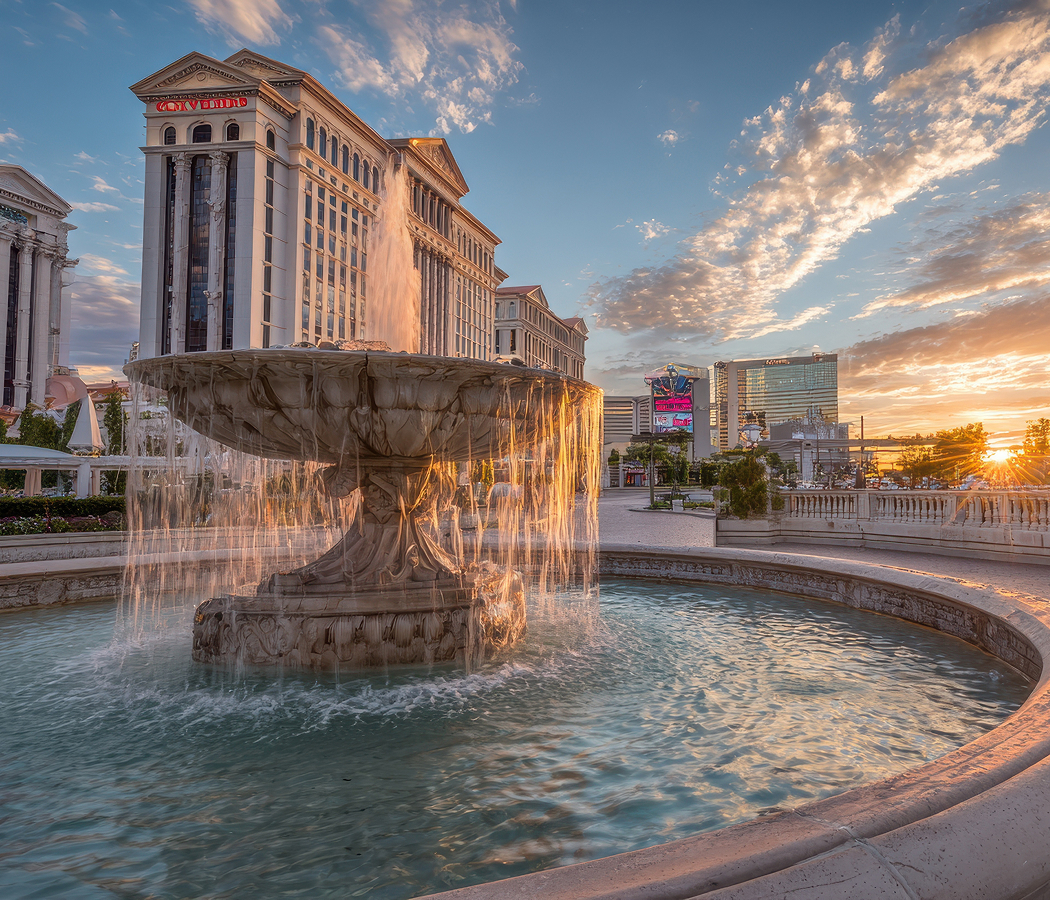
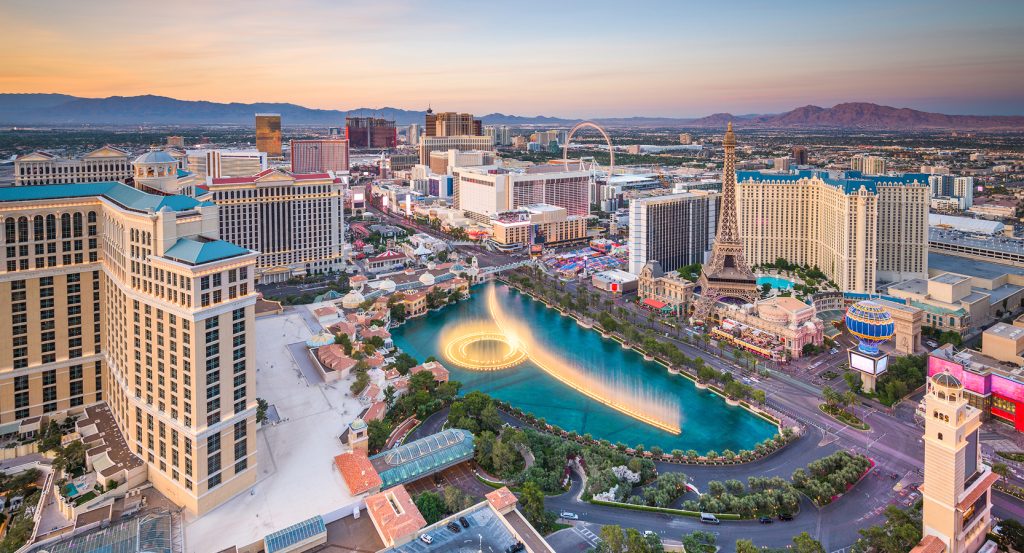
Begin at ARIA Resort & Casino, where award-winning contemporary architecture, an internationally recognized public art collection, refined dining, and expansive public spaces establish the corridor's modern character while introducing the ambition behind CityCenter's development. Continue to The Cosmopolitan of Las Vegas, where striking vertical architecture, acclaimed restaurants, immersive art installations, and distinctive interior design broaden the experience by revealing another interpretation of contemporary luxury before naturally leading toward the finale. Conclude at Bellagio Las Vegas, where the Conservatory & Botanical Gardens, celebrated fountains, elegant architecture, and world-class hospitality provide a memorable finale reflecting the enduring sophistication that continues defining Harmon Avenue. The progression moves naturally from contemporary urban design through innovative hospitality before culminating in one of Las Vegas' most celebrated resort experiences.
Where your story begins.
Foresyte Travel reveals places that feel extraordinary long before you arrive.
Enjoy editorial crafted for luxury travelers.
Foresyte may earn a commission when you book.