Why High Street matters.
High Street is a historic Financial District corridor where commercial ambition, architectural innovation, and mercantile history converge along one of Downtown's defining business streets.
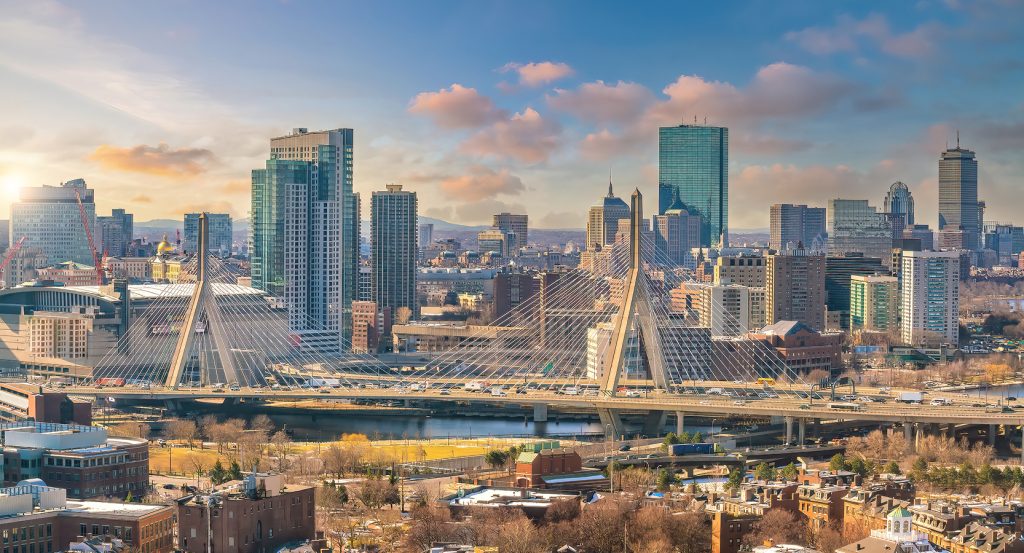
Running through the Financial District between Summer Street, Federal Street, and Oliver Street, this distinguished corridor connects landmark office towers, historic commercial buildings, architecturally significant plazas, financial institutions, energetic pedestrian spaces, and enduring civic destinations that collectively showcase Boston's remarkable evolution from colonial trading port to global financial center. Historic masonry architecture, contemporary skyscrapers, thoughtfully integrated public spaces, thriving commercial enterprises, welcoming streetscapes, and enduring business traditions create an urban landscape where generations of merchants, bankers, insurers, entrepreneurs, residents, and visitors have shaped one of New England's defining commercial corridors. High Street has continually adapted to Boston's changing economy while preserving its longstanding importance within the city's historic financial core. The result is a corridor defined by commercial leadership, architectural distinction, and lasting metropolitan significance.
What defines High Street.
High Street is best known for bordering the site of the Great Boston Fire of 1872, the catastrophic blaze that destroyed more than 770 buildings across Boston's commercial district before prompting one of the most ambitious urban rebuilding campaigns in nineteenth-century America.
Beginning on November 9, 1872, the fire swept through downtown warehouses, offices, and mercantile buildings, reshaping Boston's commercial core almost overnight. The reconstruction that followed introduced fire-resistant masonry buildings, wider streets, and modern engineering standards that permanently transformed the Financial District's architectural character. Many of the distinguished commercial buildings surrounding High Street date directly from this extraordinary rebuilding effort, preserving one of the nation's most significant post-fire urban landscapes. That extraordinary rebuilding legacy has established High Street as a corridor shaped by one of the defining events in American urban history.
How High Street fits.
High Street works as an exploration of Boston's commercial history, architectural heritage, and historic landmarks.
Begin along High Street, where the Financial District's historic streetscape immediately establishes the corridor's defining identity. Continue toward Post Office Square, where one of Boston's finest urban parks provides broader perspective on the district's remarkable civic transformation. From there, make your way to the Old State House, where one of America's most significant colonial landmarks provides a memorable conclusion while celebrating Boston's enduring political and historical legacy. Along the way, you'll encounter architecturally significant commercial buildings, welcoming public plazas, thriving financial institutions, beautifully preserved historic streets, celebrated civic landmarks, and energetic gathering places that reveal the Financial District's exceptional depth. The progression moves naturally from a historic commercial corridor to a celebrated urban park to the cradle of colonial government, demonstrating how High Street connects commercial innovation, community life, and historical discovery.
Where your story begins.
Foresyte Travel reveals places that feel extraordinary long before you arrive.
Enjoy editorial crafted for luxury travelers.
Foresyte may earn a commission when you book.