
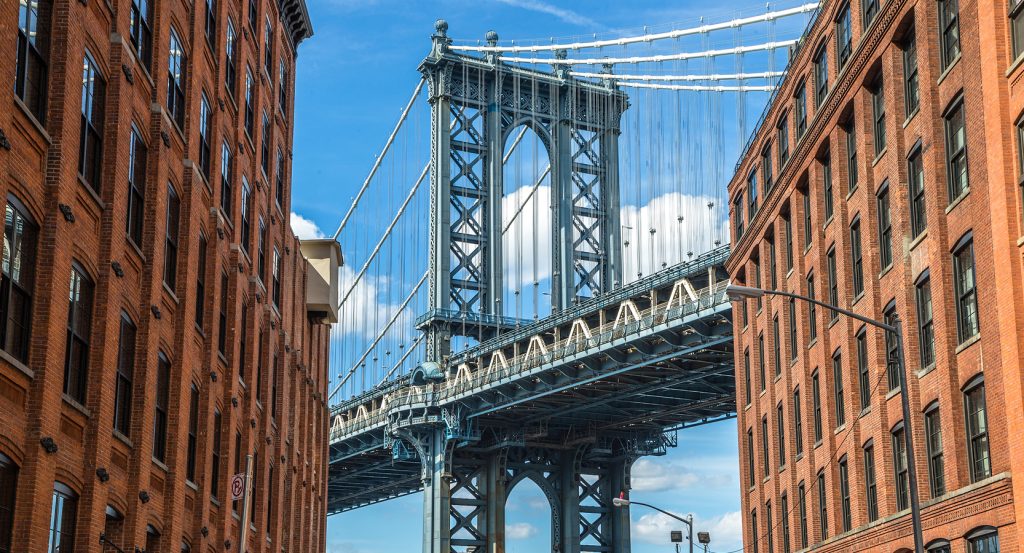
Why Hoyt Street matters.
Hoyt Street is a historic Downtown Brooklyn corridor where civic institutions, architectural heritage, and neighborhood connectivity converge along one of the borough's most enduring thoroughfares.
Running through Boerum Hill, Downtown Brooklyn, and Cobble Hill, this well-traveled corridor connects landmark civic buildings, historic brownstone blocks, neighborhood businesses, educational institutions, transit hubs, and thriving commercial streets that collectively demonstrate Brooklyn's remarkable urban evolution. Elegant nineteenth-century rowhouses, early commercial buildings, architecturally significant churches, thriving retail corridors, and welcoming public spaces create a streetscape where generations of residential and commercial life continue to intersect. Hoyt Street developed during Brooklyn's rapid nineteenth-century expansion, serving as an important north-south connector linking emerging residential neighborhoods with the borough's growing civic and commercial center. The result is a corridor defined by historical continuity, architectural character, and metropolitan vitality.
What defines Hoyt Street.
Hoyt Street is best known for being home to the New York Transit Museum, located inside the decommissioned Court Street subway station that opened in 1936.
After the station closed to passenger service in 1946, the underground space found new life when it reopened as the New York Transit Museum in 1976, preserving one of the city's most authentic transit environments. Today, visitors can explore vintage subway cars, historic buses, engineering exhibits, and original station architecture while gaining a deeper understanding of the transportation systems that shaped New York City's growth. The museum remains the largest institution in the United States dedicated exclusively to urban public transportation, making Hoyt Street one of Brooklyn's most significant destinations for engineering and civic history.
How Hoyt Street fits.
Hoyt Street works as an exploration of Downtown Brooklyn's civic landmarks, historic neighborhoods, and transportation heritage.
Begin at the New York Transit Museum, where immersive exhibits immediately establish the street's defining relationship with New York City's transportation history. Continue toward Brooklyn Borough Hall, whose stately Greek Revival architecture reflects the civic leadership that shaped modern Brooklyn. From there, make your way to the Brooklyn Heights Promenade, where sweeping East River views and Lower Manhattan skyline panoramas provide a memorable conclusion while placing the surrounding neighborhoods into historical perspective. Along the route, you'll encounter architecturally significant civic buildings, neighborhood cafés, beautifully preserved brownstones, thriving commercial streets, welcoming public plazas, and historic institutions that reveal the corridor's exceptional depth. The progression moves naturally from celebrated transit museum to landmark civic building to iconic waterfront promenade, demonstrating how Hoyt Street connects engineering achievement, civic history, and neighborhood character within one of Brooklyn's most influential urban corridors. Hoyt Street remains one of the borough's most rewarding thoroughfares, preserving a distinctive balance between historical significance, architectural heritage, and everyday city life.
Where your story begins.
Foresyte Travel reveals places that feel extraordinary long before you arrive.
Enjoy editorial crafted for luxury travelers.
Foresyte may earn a commission when you book.







































































































