
Why Marshall Street matters.
Marshall Street is a storied corridor where Downtown's colonial foundations, commercial legacy, culinary traditions, and layered streetscape preserve one of the city's most enduring historic passages.
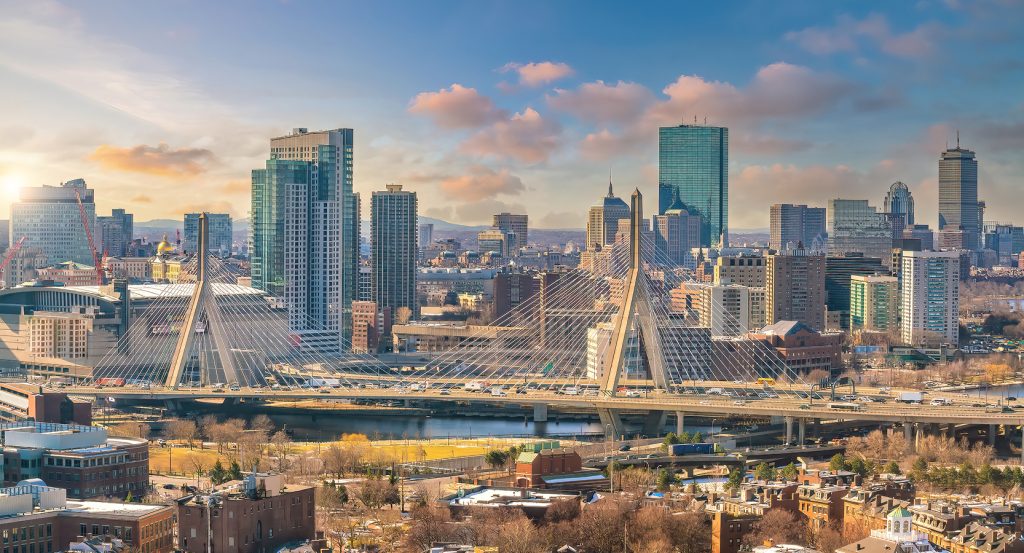
Running through Downtown between the North End and the Financial District, the corridor threads through a compact network of narrow streets where eighteenth-century alignments, brick mercantile buildings, granite storefronts, and generations of neighborhood businesses reveal Boston's earliest commercial fabric. Each successive block heightens the experience as weathered masonry, intimate storefronts, historic market buildings, and increasingly intricate pedestrian streetscapes uncover the remarkable continuity of a district that has remained active since the colonial era. The defining moment arrives as the corridor's preserved scale, thriving marketplace atmosphere, and architectural continuity reveal how centuries of commerce continue animating one of Boston's oldest streets. The result is an experience defined by historical continuity, neighborhood character, and one of Downtown's most distinctive corridors.
What defines Marshall Street.
Marshall Street is best known for forming part of Boston's colonial street network surrounding Faneuil Hall Marketplace, where eighteenth- and nineteenth-century mercantile expansion established one of New England's foremost centers of trade and commerce. Development along the corridor accelerated after construction of Quincy Market in 1826 under architect Alexander Parris, reinforcing the surrounding district as Boston's principal wholesale and retail marketplace. Commercial buildings lining Marshall Street display enduring Federal, Greek Revival, and Italianate influences expressed through brick masonry, granite lintels, cast-iron storefronts, timber framing, and narrow mercantile floor plans that reflect the corridor's long commercial history. Warehouses, produce merchants, food distributors, import businesses, and specialty retailers occupied the surrounding blocks throughout the nineteenth century, strengthening Marshall Street's role within Boston's expanding marketplace economy. Collectively, the district's colonial street plan, mercantile architecture, commercial specialization, and enduring marketplace traditions established Marshall Street as one of Downtown's defining historic corridors.
Food commerce became the defining thread shaping the corridor as the Blackstone Block Historic District preserved one of Boston's oldest surviving collections of commercial buildings, allowing Marshall Street to retain the intimate scale that characterized the city's colonial marketplace. Merchant families, produce dealers, fishmongers, and specialty importers sustained that tradition by operating closely connected businesses whose storefronts reinforced the corridor's longstanding character as an extension of Boston's historic food distribution network. Skilled bricklayers, granite masons, timber framers, and ornamental ironworkers contributed enduring craftsmanship through masonry party walls, granite thresholds, heavy wood structural systems, and decorative metal storefront details that remain visible throughout the corridor today. Together, these preserved commercial buildings, generations of merchants, and enduring artisan traditions demonstrate how Marshall Street evolved as a corridor where Boston's marketplace heritage continues expressing itself through an exceptionally intact historic streetscape.
How Marshall Street fits.
Marshall Street works as a walk through Boston's oldest commercial quarter and enduring marketplace traditions.
Begin at Haymarket, where generations of independent produce vendors introduce the neighborhood's longstanding trading culture before naturally leading toward Marshall Street's intimate commercial streets. Continue to Quincy Market, where nineteenth-century market architecture and lively food halls deepen appreciation for the district's enduring mercantile character while carrying the experience into Boston's historic marketplace. Conclude at Blackstone Block Historic District, where narrow colonial streets, eighteenth-century commercial buildings, and remarkably preserved urban fabric provide the historical payoff by revealing the marketplace environment that gave Marshall Street its enduring purpose. The progression moves naturally from living market traditions to expansive commercial architecture before culminating within the colonial streetscape that best explains why Marshall Street remains one of Boston's most authentic historic corridors.
Where your story begins.
Foresyte Travel reveals places that feel extraordinary long before you arrive.
Enjoy editorial crafted for luxury travelers.
Foresyte may earn a commission when you book.







































































































