Why you should experience Martin Luther King Jr. Way in Seattle, Washington.
Martin Luther King Jr. Way is a historic Rainier Valley corridor where civil rights history, multicultural communities, and neighborhood resilience converge along one of Seattle's most meaningful thoroughfares.
Running through Rainier Valley between Mount Baker and Rainier Beach, this energetic corridor tells the story of a city continually shaped by immigration, activism, and community determination. International restaurants, neighborhood business districts, historic churches, cultural organizations, light rail stations, and locally owned markets line the avenue, reflecting generations of residents who transformed Southeast Seattle into one of America's most culturally diverse urban communities. The corridor carries the name of one of the nation's greatest civil rights leaders while serving as the everyday backbone of neighborhoods where dozens of cultures, languages, and traditions coexist. The result is a corridor defined by remarkable diversity, civic purpose, and enduring cultural significance.
What you should know about Martin Luther King Jr. Way.
Martin Luther King Jr. Way is best known for passing through Rainier Valley, among the most ethnically diverse urban communities in the United States, where residents represent more than 120 ethnic groups, speak more than 59 languages, and have transformed the corridor into one of North America's most extraordinary examples of multicultural urban life, creating an internationally diverse community whose concentration of cultures is virtually unmatched anywhere in the Pacific Northwest.
More than a century of immigration has shaped the avenue into a living mosaic of East African, Vietnamese, Filipino, Chinese, Japanese, Latino, Pacific Islander, South Asian, and many other communities whose traditions continue enriching Seattle through food, music, entrepreneurship, religious institutions, and annual cultural celebrations. Family-owned businesses, community organizations, and neighborhood gathering places preserve these traditions while welcoming new generations of immigrants who continue expanding the corridor's remarkable cultural landscape. Few streets in America offer such an authentic cross-section of the modern global city, making Martin Luther King Jr. Way a powerful reflection of Seattle's character as one of the nation's most diverse and welcoming communities.
How to fold Martin Luther King Jr. Way into your trip.
Martin Luther King Jr. Way works as an exploration of Seattle's multicultural heritage, neighborhood life, and community landmarks.
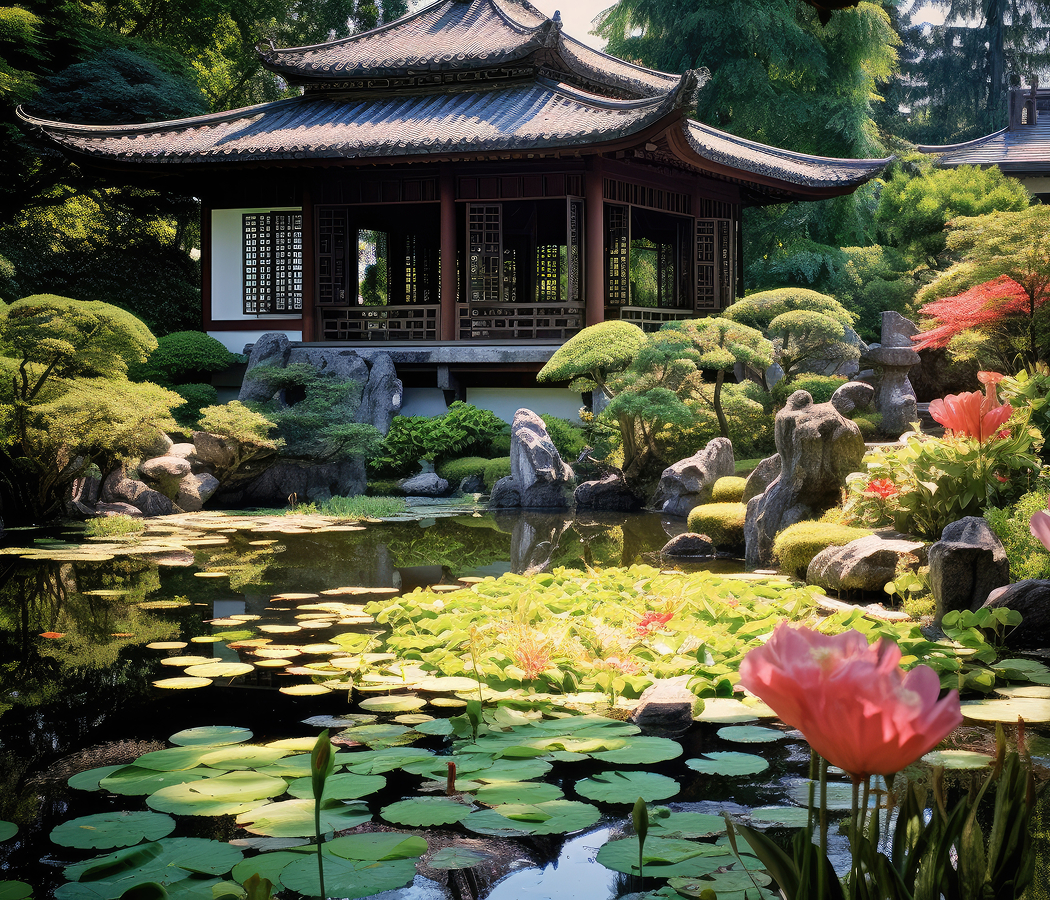
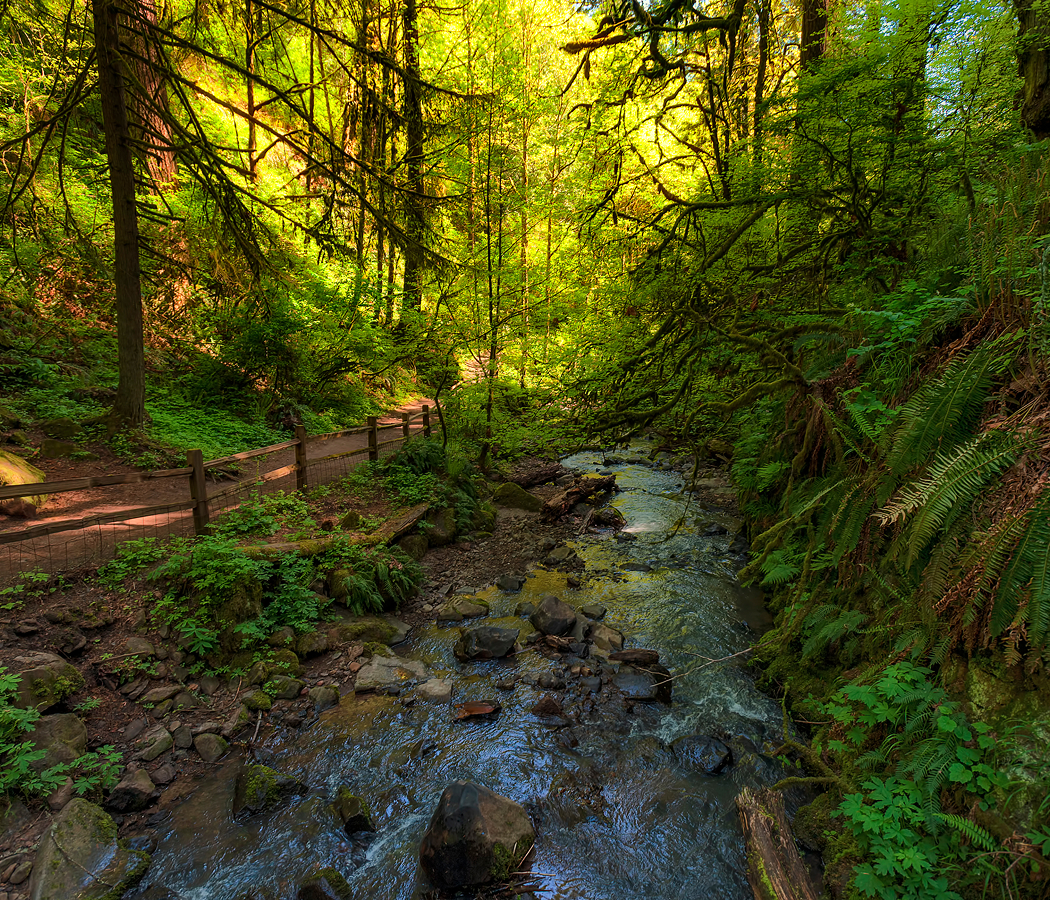
Begin in the morning at Kubota Garden, where extraordinary Japanese landscape design immediately introduces the remarkable cultural traditions flourishing throughout Southeast Seattle. Continue toward the Northwest African American Museum, whose powerful exhibitions reveal the people, movements, and stories that shaped Seattle's civil rights history before enjoying lunch at one of the corridor's acclaimed international restaurants. From there, make your way to Seward Park, where grand old-growth forests, Lake Washington shorelines, and panoramic mountain views provide a memorable conclusion while showcasing one of Seattle's most spectacular natural landscapes. Along the route, international markets, neighborhood cafés, public murals, locally owned businesses, and energetic cultural institutions demonstrate how Martin Luther King Jr. Way seamlessly connects extraordinary cultural diversity with one of the Pacific Northwest's most welcoming communities. The progression moves naturally from a world-class Japanese garden to a nationally significant museum to an iconic waterfront park, revealing why Martin Luther King Jr. Way remains one of the city's defining cultural corridors.
Where your story begins.
Foresyte Travel reveals places that feel extraordinary long before you arrive.
Experience premium editorial crafted for luxury travelers.