
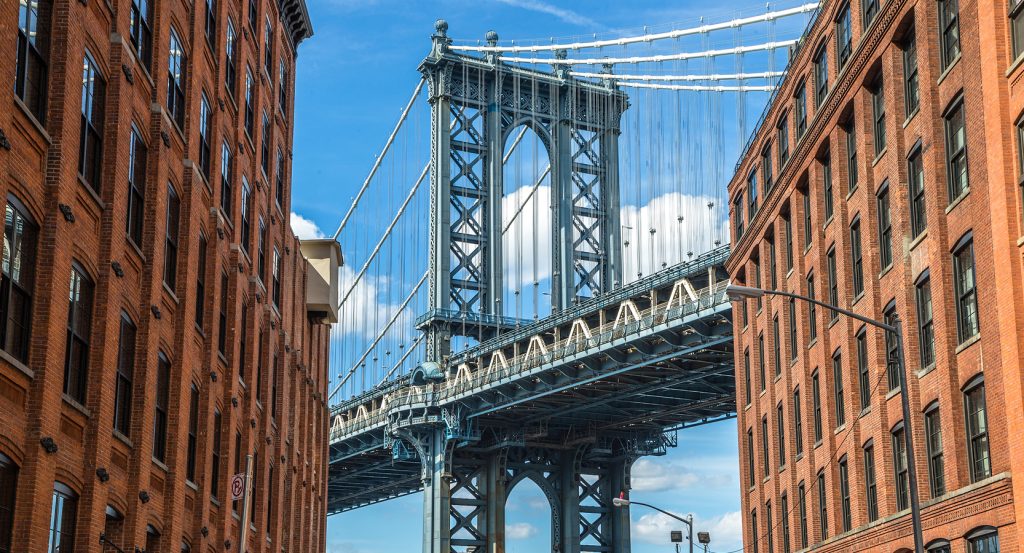
Why you should experience Noble Street in New York, NY.
Noble Street is a historic Greenpoint corridor where shipbuilding heritage, Polish culture, and waterfront revival converge along one of North Brooklyn's most distinguished residential streets.
Running through Greenpoint between Williamsburg and the East River waterfront, this charming corridor connects historic rowhouses, converted industrial buildings, neighborhood businesses, waterfront parks, and community institutions that reflect Greenpoint's remarkable evolution from a shipbuilding powerhouse into one of Brooklyn's most distinctive neighborhoods. Brick townhouses, former factory buildings, mature tree canopies, family-owned cafés, and architecturally rich residential blocks create a streetscape where industrial craftsmanship and neighborhood character remain deeply intertwined. Noble Street developed as Greenpoint emerged during the nineteenth century as a center of shipbuilding, glassmaking, and heavy industry, attracting generations of immigrant workers and entrepreneurs whose influence remains embedded throughout the neighborhood. To the south, Williamsburg extends naturally from Noble Street through interconnected waterfront districts, historic industrial buildings, and creative destinations that reinforce the corridor's enduring significance. The result is a corridor defined by maritime heritage, architectural continuity, and neighborhood authenticity.
What you should know about Noble Street.
Noble Street is best known for bordering WNYC Transmitter Park, opened in 2012 on the former transmitter site that broadcast WNYC radio programming across New York City for nearly seven decades.
The park transformed a once-restricted industrial property into a celebrated public waterfront featuring restored transmitter towers, landscaped lawns, riverfront promenades, and sweeping views of Manhattan's skyline. Preserving elements of the historic broadcast facility while creating new public access to the East River, the project reflects Greenpoint's broader waterfront renaissance. Noble Street serves as one of the principal approaches to this distinctive destination, where communications history and contemporary landscape design intersect along Brooklyn's shoreline.
How to fold Noble Street into your trip.
Noble Street works as an exploration of Greenpoint's waterfront heritage, neighborhood culture, and industrial legacy.
Begin at WNYC Transmitter Park, where expansive East River views immediately establish the corridor's defining relationship with Brooklyn's historic waterfront. Continue toward The Greenpoint Historic District, whose beautifully preserved nineteenth-century streets reveal the architectural character that accompanied the neighborhood's industrial prosperity. From there, make your way to McGolrick Park, where Victorian landscaping, historic monuments, and surrounding residential architecture provide broader perspective on the community that flourished alongside Greenpoint's manufacturing economy. Along the route, you'll encounter converted warehouses, neighborhood bakeries, independent boutiques, architecturally significant churches, historic rowhouses, and welcoming public spaces that reveal the corridor's remarkable depth. The progression moves naturally from landmark waterfront park to celebrated historic district to beloved neighborhood greenspace, demonstrating how Noble Street connects maritime history, architectural preservation, and community life within one of Brooklyn's most distinctive neighborhoods. Noble Street remains one of the borough's most rewarding corridors, preserving a distinctive balance between industrial legacy, waterfront beauty, and neighborhood character.
Where your story begins.
Foresyte Travel reveals places that feel extraordinary long before you arrive.
Experience premium editorial crafted for luxury travelers.







































































































