
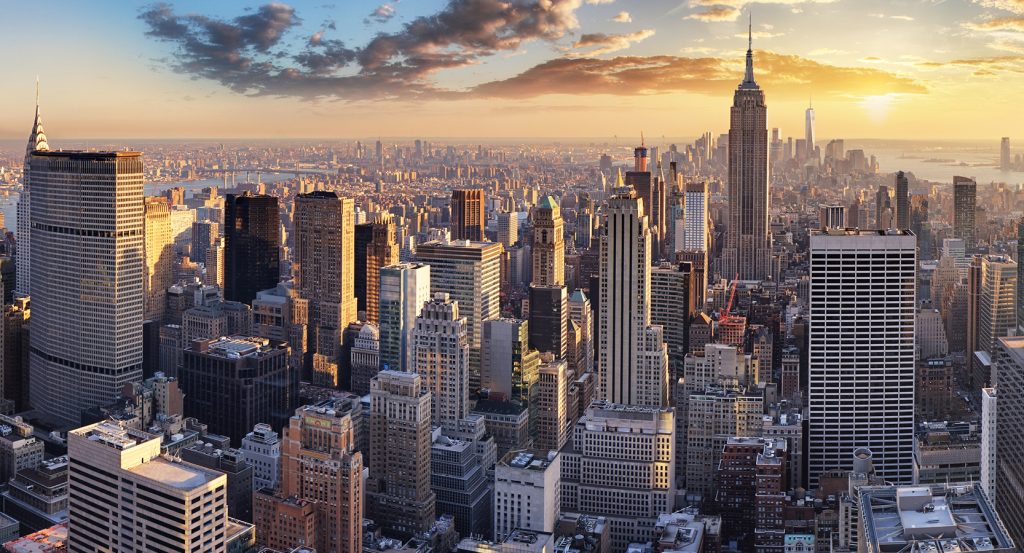
Why Park Avenue matters.
Park Avenue is a renowned Manhattan boulevard where architectural grandeur, corporate power, and urban ambition converge along one of the most prestigious avenues in the United States.
Running through Midtown between Murray Hill and the Upper East Side, this iconic boulevard connects landmark skyscrapers, corporate headquarters, luxury residential buildings, cultural institutions, transportation hubs, and landscaped medians that have shaped New York life for generations. Expansive office towers, elegant apartment houses, public art installations, manicured center medians, and celebrated streetscapes create an environment defined by prestige and permanence. The corridor evolved from the route of the New York and Harlem Railroad before being transformed through ambitious infrastructure projects that concealed rail operations beneath the avenue. Architects, financiers, developers, business leaders, civic planners, and residents helped establish a reputation that became synonymous with success and influence. To the north, the Upper East Side extends naturally from Park Avenue through a collection of cultural institutions, residential landmarks, and historic destinations that reinforce the boulevard's enduring significance. The result is a corridor defined by power, elegance, and enduring metropolitan importance.
What defines Park Avenue.
Park Avenue is best known for housing the Helmsley Building, which sits directly above the vehicular passage surrounding Grand Central Terminal and serves as one of the most recognizable gateways to Midtown.
Completed in 1929 as the New York Central Building, the tower was designed to accommodate Park Avenue's unique flow of traffic by allowing roadways to pass directly through its base. The building became an engineering and architectural landmark, symbolizing the integration of transportation infrastructure with large-scale commercial development. Its prominent position reinforced the avenue's character as the ceremonial entrance to one of the nation's most important business districts. The structure remains one of the most distinctive examples of urban design in New York City. Few avenues in America maintain such a direct connection to a building that physically incorporates a major transportation corridor into its design.
How Park Avenue fits.
Park Avenue works as an exploration of New York's architectural ambition, transportation legacy, and corporate influence.
Begin at Grand Central Terminal, where the boulevard's defining relationship with mobility, commerce, and urban growth immediately comes into focus. Continue toward Helmsley Building, whose expansive presence reveals the engineering ingenuity and architectural vision that helped shape Midtown across generations. From there, make your way to Seagram Building, where one of the most influential works of modern architecture provides broader perspective on the design principles that transformed Park Avenue into a global symbol of corporate prestige. Along the route, you'll encounter landmark skyscrapers, transportation icons, public art, corporate headquarters, architectural masterpieces, landscaped boulevards, and celebrated streetscapes that showcase the remarkable depth of the corridor. The progression moves naturally from Grand Central Terminal to Helmsley Building to Seagram Building, revealing how transportation, architecture, and economic power combined to shape one of Manhattan's most influential avenues. Park Avenue remains one of New York's most rewarding boulevards, preserving a distinctive balance between architectural distinction, commercial importance, and enduring urban grandeur.
Where your story begins.
Foresyte Travel reveals places that feel extraordinary long before you arrive.
Enjoy editorial crafted for luxury travelers.
Foresyte may earn a commission when you book.







































































































