
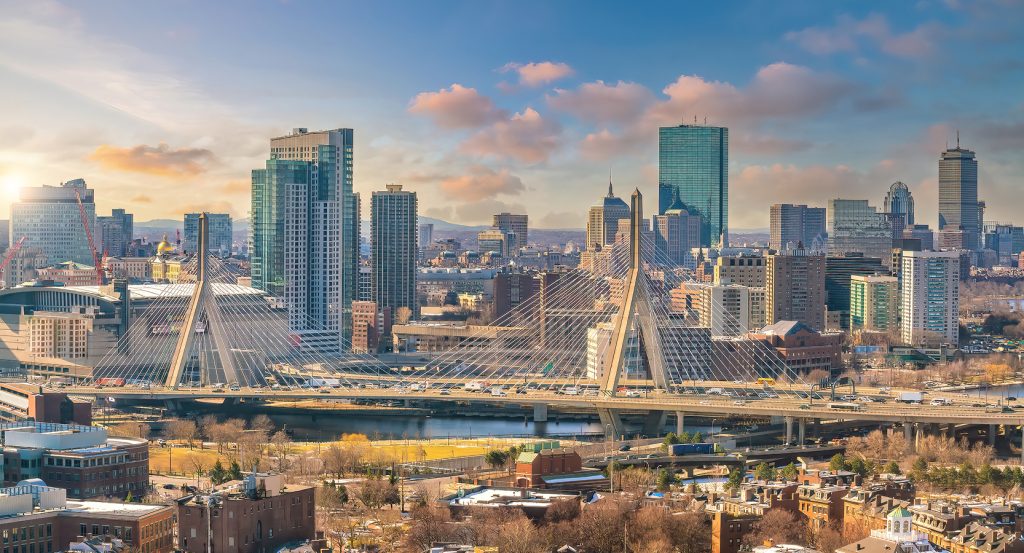
Why Queensberry Street matters.
Queensberry Street is an intimate corridor where Fenway-Kenmore's artistic spirit, academic prestige, residential heritage, and cultural vitality create one of Boston's most distinctive neighborhood streets.
Running through Fenway-Kenmore between Back Bay and the Fenway, the corridor connects historic apartment buildings, celebrated cultural institutions, collegiate campuses, and tree-lined blocks that embody one of Boston's most intellectually energetic neighborhoods. Each successive block heightens the experience as finely detailed brick façades, landscaped streets, academic architecture, and increasingly welcoming public spaces reveal the enduring relationship between scholarship, culture, and urban living. The corridor reaches its defining moment where architectural elegance, creative expression, and neighborhood character converge into an unmistakably Boston experience shaped by more than a century of thoughtful development. The result is an experience defined by architectural refinement, cultural richness, and one of Fenway-Kenmore's most engaging corridors.
What defines Queensberry Street.
Queensberry Street is best known for extending through The Fenway, the eastern section of Fenway-Kenmore, whose modern character emerged following the creation of the Back Bay Fens, the pioneering landscape designed by Frederick Law Olmsted during the 1870s as part of Boston's Emerald Necklace park system. Residential development accelerated between the 1890s and the 1920s, introducing substantial apartment houses, boarding residences, and institutional buildings distinguished by Classical Revival, Georgian Revival, and Collegiate Gothic architecture executed in brick, limestone, and terra cotta. The corridor evolved alongside the continued expansion of nearby institutions including Simmons University, founded in 1899, and Emmanuel College, established in 1919, reinforcing the neighborhood's longstanding character as one of Boston's premier centers for higher education. Carefully planned streets, generous landscaped setbacks, masonry craftsmanship, and enduring residential architecture reflected the coordinated urban design principles that accompanied development around Olmsted's celebrated parkland. Collectively, the creation of the Back Bay Fens, Olmsted's landscape vision, distinguished revival architecture, institutional growth, and cohesive neighborhood planning established Queensberry Street as one of Fenway-Kenmore's defining corridors.
Publishing and cultural organizations became an enduring theme as the surrounding neighborhood attracted scholarly presses, nonprofit institutions, and creative enterprises that complemented its academic environment while strengthening its intellectual identity. Early twentieth-century apartment buildings lining the corridor preserve decorative brick corbelling, carved limestone entrances, ornamental metalwork, and deeply recessed entryways that continue illustrating the craftsmanship associated with Boston's finest residential architecture. Mature shade trees, original granite curbstones, broad sidewalks, and consistently scaled masonry façades reinforce the pedestrian character that has distinguished Queensberry Street across successive generations of neighborhood evolution. Together, these intellectual traditions, architecturally significant residential buildings, and remarkably preserved streetscape features demonstrate how Queensberry Street matured into one of Fenway-Kenmore's most cohesive urban corridors.
How Queensberry Street fits.
Queensberry Street works as an exploration of Boston's artistic heritage, academic tradition, and neighborhood character.
Begin at Museum of Fine Arts, Boston, where internationally celebrated collections establish the artistic foundation for the surrounding district before naturally leading toward Queensberry Street. Continue to Isabella Stewart Gardner Museum, where extraordinary galleries and an intimate Venetian-inspired courtyard deepen appreciation for Boston's cultural legacy while extending the experience through one of the city's most distinctive museums. Conclude at Fenway Park, where one of baseball's most celebrated venues provides the historical and cultural payoff by connecting the neighborhood's artistic sophistication with one of Boston's most enduring civic traditions. The progression moves naturally from world-renowned art to intimate collecting before concluding with Boston's defining sporting heritage, revealing why Queensberry Street remains central to Fenway-Kenmore's enduring identity.
Where your story begins.
Foresyte Travel reveals places that feel extraordinary long before you arrive.
Enjoy editorial crafted for luxury travelers.
Foresyte may earn a commission when you book.







































































































