Why Rainier Avenue matters.
Rainier Avenue is a storied corridor where Rainier Valley's cultural diversity, commercial resilience, immigrant entrepreneurship, and enduring neighborhood traditions create one of Seattle's most compelling urban thoroughfares.
Running through Rainier Valley between Mount Baker and Columbia City, the corridor links independent businesses, longstanding commercial districts, neighborhood institutions, historic storefronts, and established residential blocks that collectively reflect more than a century of continuous growth. Early brick commercial buildings, reinforced-concrete structures, mid-century storefronts, contemporary infill architecture, Douglas firs, bigleaf maples, Pacific dogwoods, flowering cherries, and mature street trees establish a streetscape where generations of cultures have contributed to an ever-evolving urban landscape. Throughout the corridor, family-owned enterprises, cultural traditions, neighborhood investment, and entrepreneurial ambition have cultivated an atmosphere defined by authenticity, continuity, and remarkable local character. The result is an experience distinguished by cultural richness, architectural variety, and one of Seattle's most significant neighborhood corridors.
What defines Rainier Avenue.
Rainier Avenue is best known for following the historic route established after the Seattle and Rainier Valley Railway began electric streetcar service in 1891, connecting the Rainier Valley with Downtown and accelerating commercial and residential development throughout the corridor. Construction expanded during the 1890s, 1900s, and 1910s, producing brick mercantile buildings, neighborhood banks, grocery markets, pharmacies, apartment houses, and commercial blocks distinguished by reinforced-concrete structural frames, common-bond brick masonry, decorative terra-cotta ornamentation, pressed-metal cornices, cast-stone lintels, and multi-light wood storefront systems. The corridor developed alongside produce wholesalers, family-owned retailers, cultural associations, manufacturing workshops, neighborhood financial institutions, and independent professional practices that established Rainier Valley as one of Seattle's most economically and culturally diverse districts. Bald eagles, Cooper's hawks, Anna's hummingbirds, Douglas firs, western red cedars, vine maples, Pacific dogwoods, and native flowering shrubs continue contributing to the ecological character woven throughout the surrounding neighborhoods. Together, these transportation milestones, commercial traditions, architectural styles, construction methods, and ecological influences establish Rainier Avenue as a defining expression of Rainier Valley's historical evolution.
Landscape architect John Charles Olmsted influenced the broader Rainier Valley through boulevard and open-space planning that encouraged lasting relationships between neighborhoods and Seattle's natural landscape during the city's formative decades. The Rainier Valley Historical Society, established in 1993, has documented the corridor's multicultural heritage through archival preservation, oral histories, photographs, and community research that illuminate successive generations of settlement and entrepreneurship. Buildings lining Rainier Avenue continue displaying decorative brick corbelling, terrazzo entrances, prism-glass transoms, ornamental masonry, steel sash windows, and original wood storefront framing that demonstrate the craftsmanship preserved throughout the corridor's principal era of commercial construction. Together, these historical contributions, preservation efforts, and enduring construction traditions demonstrate how Rainier Avenue has remained central to the character of Rainier Valley.
How Rainier Avenue fits.
Rainier Avenue works as an exploration of Rainier Valley's cultural diversity, neighborhood traditions, and local flavor.
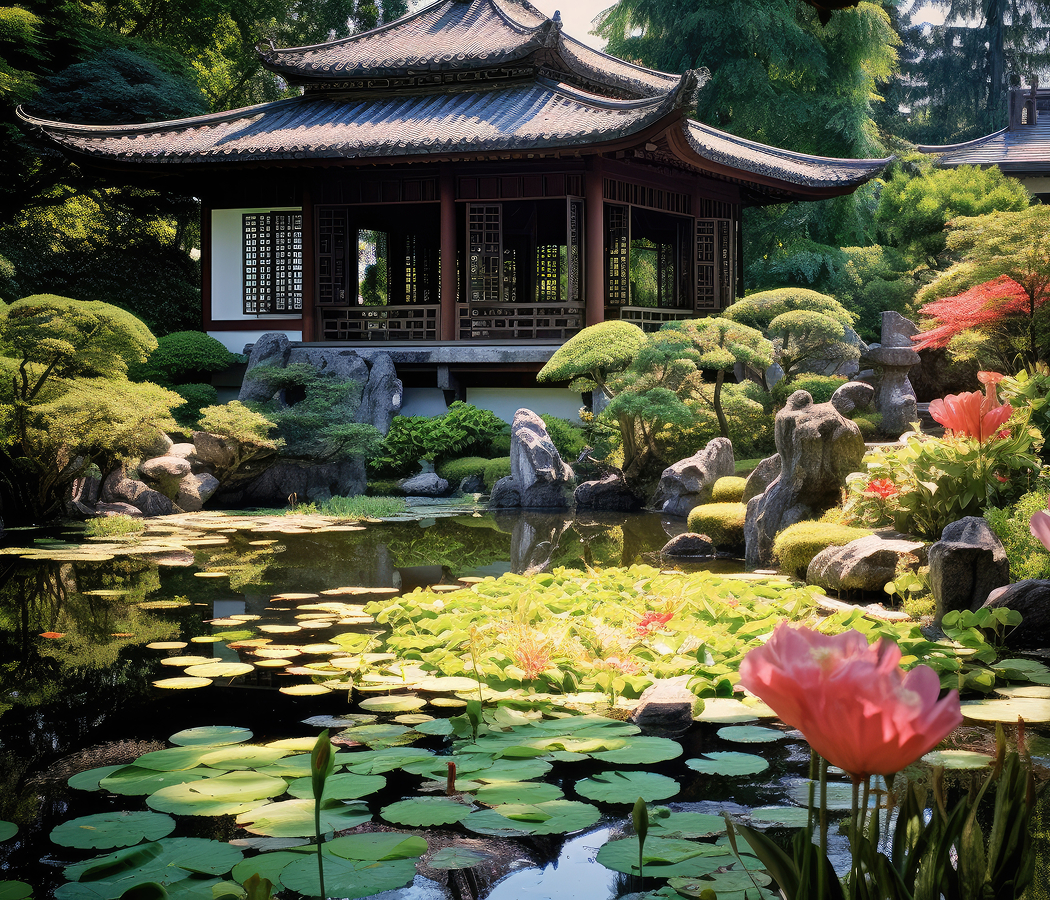
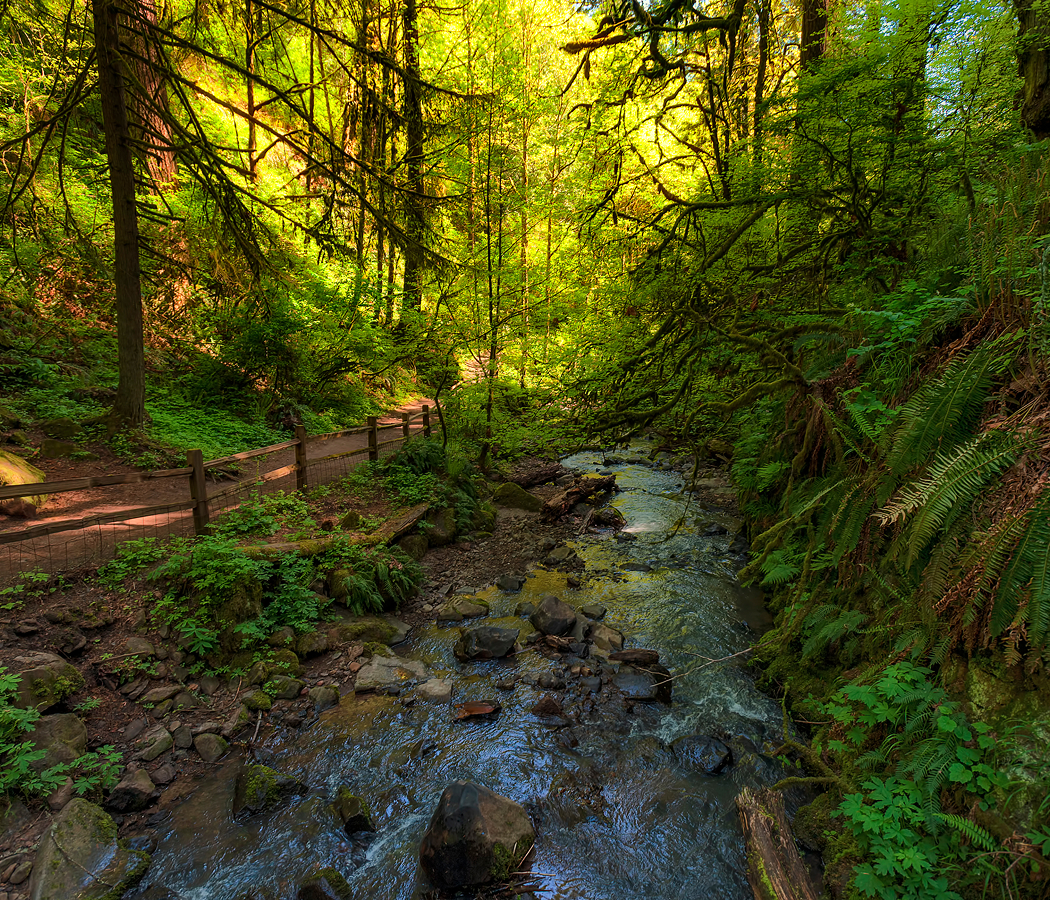
Begin at Kubota Garden, where carefully composed Japanese landscape design, waterfalls, stone bridges, and seasonal plantings establish an appreciation for the cultural traditions that have shaped Southeast Seattle while creating a memorable introduction to the outing. Continue to Columbia City Gallery, whose rotating exhibitions, regional artists, and community-centered programming broaden the experience by highlighting the creative voices that continue enriching Rainier Valley before naturally leading toward the final destination. Conclude at Seward Park, where old-growth forest, Lake Washington shorelines, and expansive mountain views provide the reflective payoff by revealing the natural landscape that has framed Rainier Valley's cultural story for generations. The progression moves naturally from cultural heritage through artistic expression before concluding within the lakeside setting that best explains the enduring character of Rainier Avenue.
Where your story begins.
Foresyte Travel reveals places that feel extraordinary long before you arrive.
Enjoy editorial crafted for luxury travelers.
Foresyte may earn a commission when you book.