
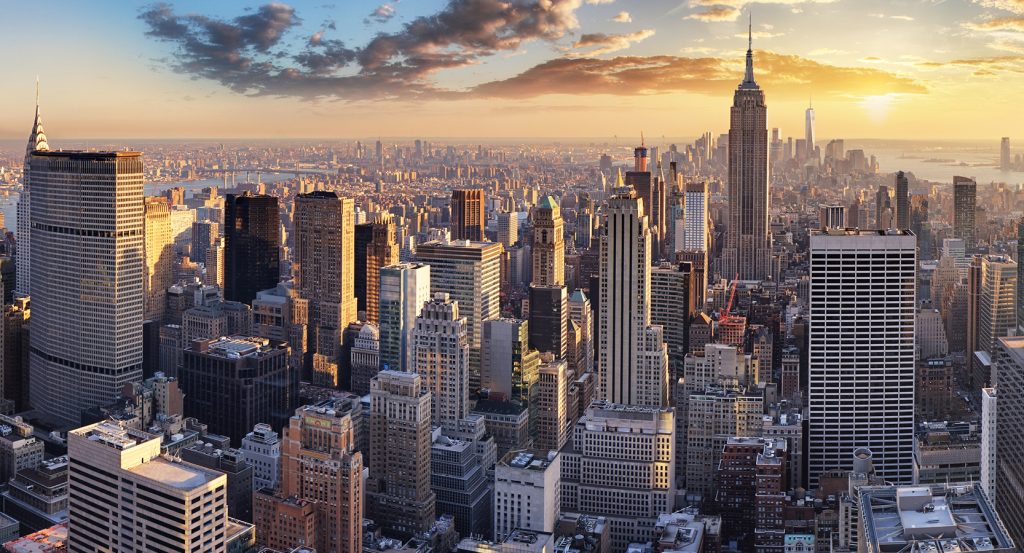
Why you should experience Rose Street in New York, NY.
Rose Street is a storied corridor where Financial District's commercial legacy, architectural evolution, civic significance, and enduring connection to New York's earliest urban history shape one of Lower Manhattan's most distinctive streets.
Running through Financial District between Civic Center and The Seaport, the corridor connects landmark office buildings, historic commercial structures, civic institutions, neighborhood businesses, and nearby waterfront destinations that collectively reflect more than three centuries of carefully guided urban development. Historic masonry buildings, modern office towers, established commercial frontages, narrow streetscapes, and preserved urban fabric reveal a corridor shaped by colonial planning, maritime commerce, financial expansion, and sustained preservation. Professionals, residents, entrepreneurs, historians, educators, and neighborhood organizations continue reinforcing Rose Street's importance while supporting commerce, culture, civic life, and neighborhood vitality throughout the Financial District. The result is an experience defined by historical depth, architectural continuity, and the enduring character of one of New York City's oldest urban landscapes.
What you should know about Rose Street.
Rose Street is best known for preserving the intimate scale of Lower Manhattan's colonial street pattern, where narrow roadways established before the Commissioners' Plan of 1811 continue reflecting New York City's earliest phases of urban growth. The corridor developed during the eighteenth and nineteenth centuries as the surrounding waterfront, counting houses, warehouses, insurance firms, and mercantile businesses expanded with New York's emergence as the nation's leading port and financial center. Nearby construction of the Brooklyn Bridge, completed in 1883, and continued commercial growth transformed the surrounding district while preserving many smaller streets that maintained their historic alignments despite successive waves of redevelopment. Today Rose Street reflects centuries of planning that integrate colonial street layouts, commercial architecture, financial institutions, and waterfront access within one of the nation's most historically significant urban districts.
The corridor's civic importance is reinforced by nearby The Seaport Historic District, designated by the New York City Landmarks Preservation Commission in 1977, where restored mercantile buildings and historic piers preserve New York's maritime heritage. That historical continuity extends through Fulton Market Building, whose origins reflect the neighborhood's longstanding role in wholesale commerce before adaptive reuse introduced contemporary retail and public gathering spaces. Nearby Titanic Memorial Lighthouse, relocated to the The Seaport in 1976, commemorates one of the twentieth century's defining maritime events while strengthening the district's connection to New York Harbor. Together, these architectural, commercial, and maritime institutions reveal how Rose Street has evolved within a neighborhood where preservation, commerce, and civic stewardship continue reinforcing one another.
How to fold Rose Street into your trip.
Rose Street works as an exploration of Lower Manhattan's commercial heritage, waterfront history, and architectural legacy.
Begin at the The Seaport Historic District, where preserved nineteenth-century buildings introduce the maritime traditions that shaped the surrounding neighborhood. Continue to the Fulton Market Building, whose historic commercial architecture reveals the enduring relationship between trade, redevelopment, and public life in Lower Manhattan. Conclude at the Titanic Memorial Lighthouse, where a landmark overlooking the harbor provides a fitting finale connecting Rose Street's historic streetscape with New York City's longstanding maritime identity. The progression moves naturally from preserved waterfront heritage to historic commerce before concluding with a monument to maritime history, revealing why Rose Street remains one of the Financial District's defining corridors for understanding the city's commercial origins.
Where your story begins.
Foresyte Travel reveals places that feel extraordinary long before you arrive.
Experience premium editorial crafted for luxury travelers.







































































































