Why Sahara Avenue matters.
Sahara Avenue is a storied corridor where Gateway District's entertainment heritage, commercial ambition, architectural evolution, and metropolitan connectivity define one of the Las Vegas Valley's most historically significant east-west thoroughfares.
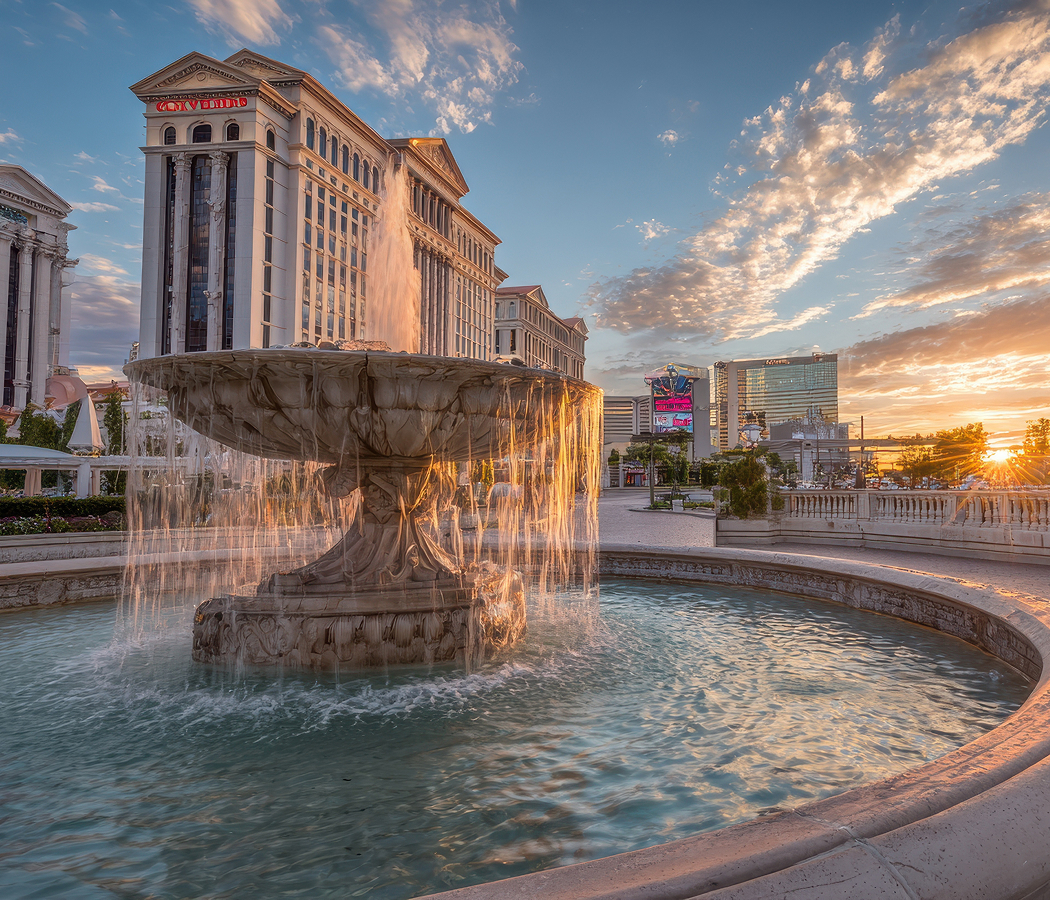
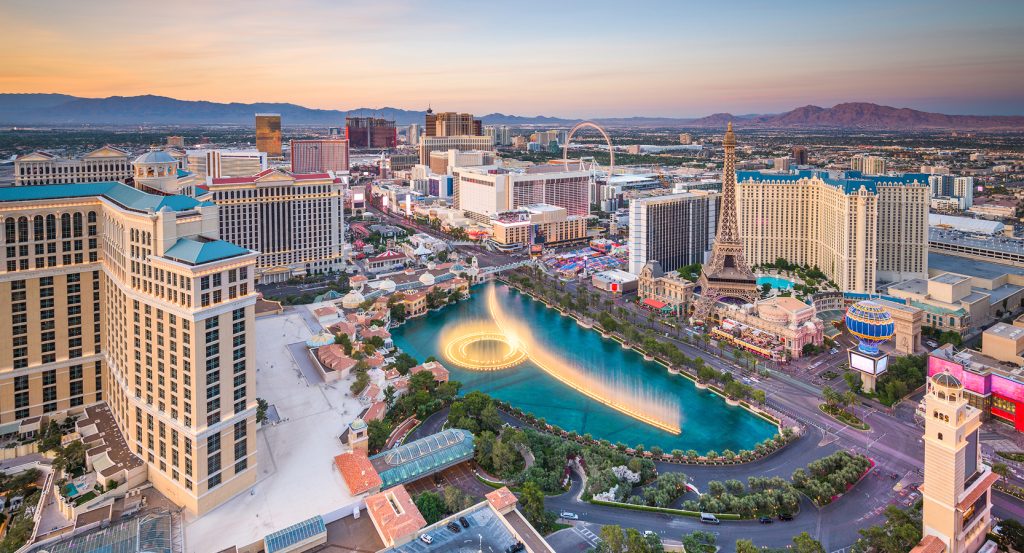
Running through Gateway District between Rancho Drive and Paradise Road, the corridor connects celebrated resorts, business districts, cultural institutions, healthcare campuses, commercial centers, and longstanding neighborhoods that collectively reflect the evolution of modern Las Vegas from railroad town to international destination. Resort towers, reinforced-concrete office buildings, contemporary commercial architecture, landscaped medians, mature desert plantings, and broad multi-lane boulevards establish a streetscape where hospitality, commerce, and civic life remain closely interconnected. Throughout the corridor, resort developers, architects, engineers, entertainers, entrepreneurs, healthcare providers, and business leaders have cultivated an environment defined by continual reinvestment, architectural ambition, and enduring cultural influence. The result is an experience distinguished by historical importance, commercial vitality, and one of Gateway District's defining corridors.
What defines Sahara Avenue.
Sahara Avenue is best known for extending through Gateway District, where opening of the Sahara Hotel in 1952 established one of the Las Vegas Strip's defining early resort destinations before helping shift large-scale resort development northward during the city's formative decades. Expansion accelerated following completion of Interstate 15, successive enlargements of the Las Vegas Convention Center beginning in 1959, continued growth of Harry Reid International Airport, and sustained investment across the Las Vegas Strip, generating demand for hospitality suppliers, convention infrastructure, medical campuses, commercial centers, and corporate offices throughout the corridor. Construction introduced integrated resorts, convention facilities, reinforced-concrete office buildings, hospitality campuses, medical complexes, and commercial developments built with structural steel, curtain-wall glazing, architectural stone, precast concrete, and advanced façade systems reflecting successive generations of Las Vegas architecture. The corridor matured alongside resort operators, architects, engineers, convention organizers, healthcare organizations, hospitality suppliers, financial institutions, and regional developers whose continued investment established Gateway District among Southern Nevada's foremost centers for tourism, commerce, and business. Desert willow, blue palo verde, honey mesquite, creosote bush, Gambel's quail, mourning doves, and landscaped xeric vegetation continue contributing to the environmental character surrounding the avenue today. Together, these hospitality milestones, transportation investments, construction technologies, occupational traditions, architectural materials, and Mojave Desert landscapes establish Sahara Avenue as one of Gateway District's defining commercial corridors.
Del Webb Corporation helped establish the Sahara Hotel as one of the Strip's formative resorts before Paul Lowden guided later ownership that expanded the property's entertainment profile through headline performers and nationally recognized showroom productions. Marnell Corrao Associates, Klai Juba Wald Architecture + Interiors, and HKS Architects contributed successive generations of hospitality, commercial, and civic architecture that reshaped the corridor while reinforcing its reputation for ambitious design and large-scale private investment. Las Vegas Convention and Visitors Authority, SEMA, and the Consumer Technology Association sustained the surrounding district's international prominence by attracting recurring trade exhibitions whose economic impact extends throughout Southern Nevada's hospitality industry. Together, Del Webb Corporation, Marnell Corrao Associates, the Las Vegas Convention and Visitors Authority, and sustained convention investment demonstrate how Sahara Avenue evolved into one of the world's foremost corridors for hospitality, exhibitions, and destination commerce.
How Sahara Avenue fits.
Sahara Avenue works as an exploration of the northern Las Vegas Strip's entertainment legacy, architectural ambition, and convention-driven evolution.
Begin at SAHARA Las Vegas, where one of the Strip's oldest resort sites introduces the corridor's mid-century hospitality heritage while revealing how successive renovations have continually redefined a classic Las Vegas destination before naturally leading toward the district's contemporary cultural centerpiece. Continue to The STRAT Hotel, Casino & Tower, where the city's tallest freestanding observation tower expands the story through engineering ambition, panoramic perspectives, and the North Strip's continuing evolution before guiding the experience toward its concluding destination. Conclude at Las Vegas Convention Center, where one of North America's largest exhibition complexes provides the resonant payoff by revealing the economic engine that transformed Sahara Avenue from a resort corridor into a globally recognized center for business, hospitality, and international gatherings. The progression moves naturally from historic resort culture through architectural ambition before culminating with the convention infrastructure that continues defining Sahara Avenue's global significance.
Where your story begins.
Foresyte Travel reveals places that feel extraordinary long before you arrive.
Enjoy editorial crafted for luxury travelers.
Foresyte may earn a commission when you book.