Why Sands Avenue matters.
Sands Avenue is a celebrated corridor where Paradise's resort heritage, convention economy, architectural ambition, and entertainment legacy define one of the Las Vegas Strip's most influential east-west thoroughfares.
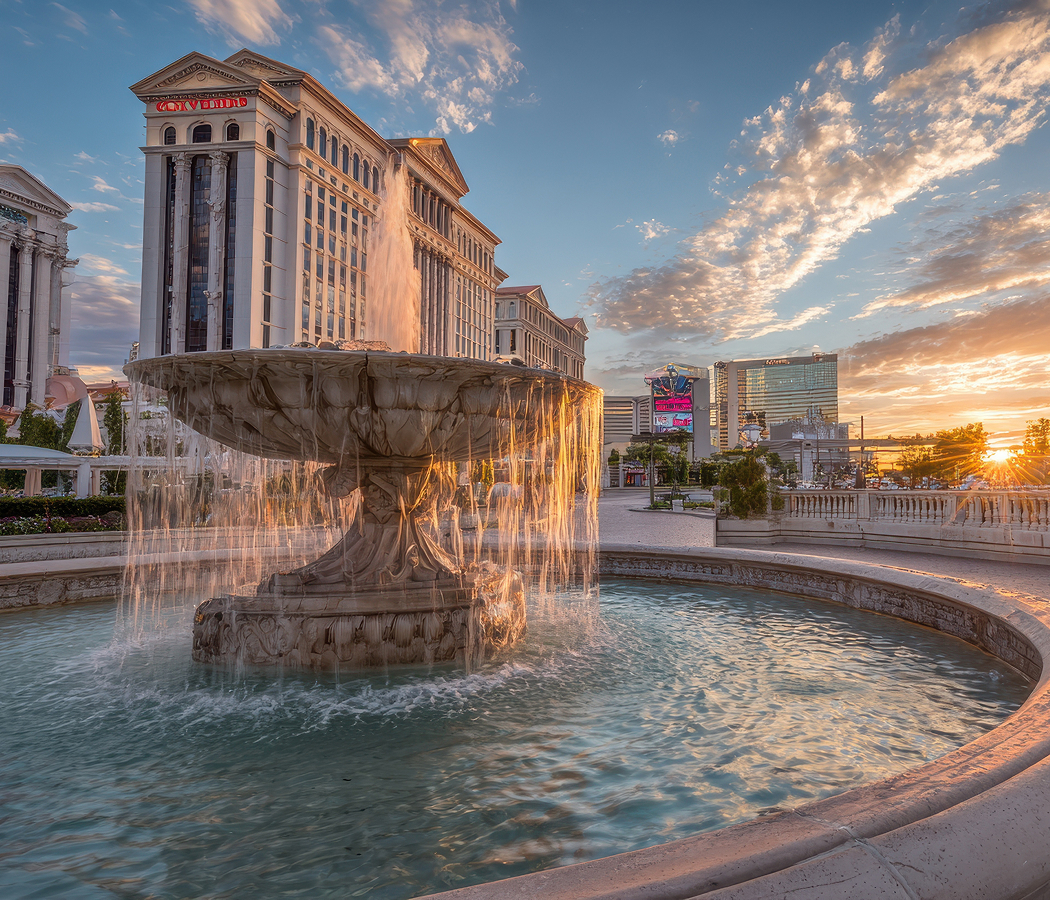
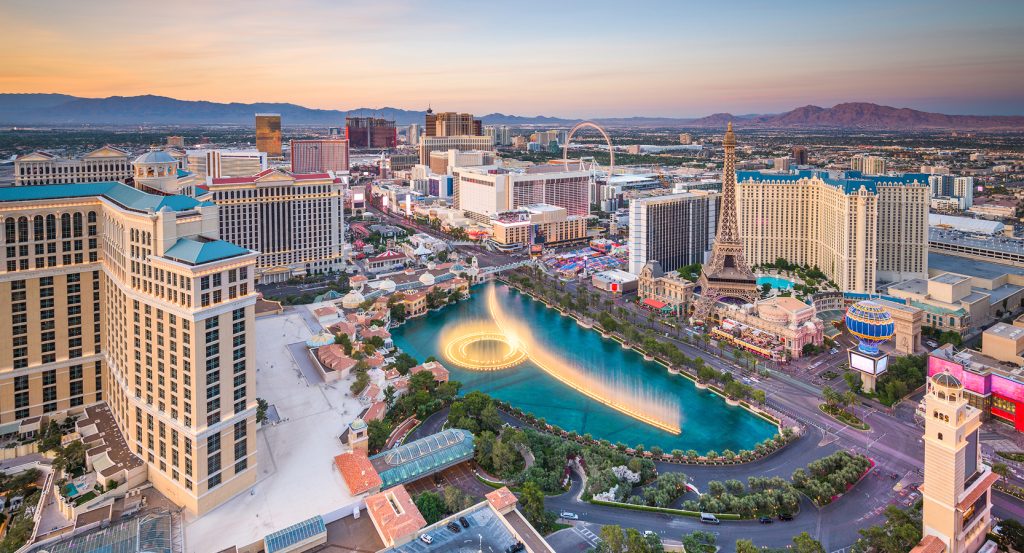
Running through Paradise between the Las Vegas Strip and Paradise Road, the corridor connects internationally recognized resorts, convention facilities, entertainment venues, business districts, and hospitality infrastructure that collectively reflect the extraordinary evolution of modern Las Vegas. Contemporary resort towers, reinforced-concrete convention halls, landscaped boulevards, sculptural pedestrian bridges, palm-lined medians, and architecturally ambitious hospitality developments establish a streetscape where tourism, commerce, and global events remain closely interconnected. Throughout the corridor, resort developers, architects, engineers, convention organizers, hospitality executives, entrepreneurs, entertainers, and business leaders have cultivated an environment defined by continual reinvestment, international influence, and commercial innovation. The result is an experience distinguished by architectural significance, economic importance, and one of Paradise's defining corridors.
What defines Sands Avenue.
Sands Avenue is best known for extending through Paradise, where the opening of the Sands Hotel in 1952 established one of the Las Vegas Strip's defining early resorts before the property became synonymous with the Rat Pack, including Frank Sinatra, Dean Martin, Sammy Davis Jr., Peter Lawford, and Joey Bishop, whose performances helped shape the city's international reputation during the 1950s and 1960s. Demolition of the Sands in 1996 cleared the site for construction of The Venetian Resort Las Vegas, which opened in 1999 as a multi-billion-dollar integrated resort inspired by Venetian architecture, while the adjoining The Palazzo followed in 2007, expanding one of the world's largest hospitality complexes. The corridor also developed around the Las Vegas Convention Center, whose successive expansions established one of North America's largest convention facilities, generating sustained demand for hospitality infrastructure, corporate investment, transportation improvements, and supporting commercial development throughout the district. Construction introduced resort towers, convention halls, pedestrian infrastructure, hospitality facilities, and commercial buildings built with reinforced concrete, structural steel, high-performance glazing, architectural stone, and advanced façade systems reflecting successive generations of Las Vegas resort architecture. The corridor matured alongside resort operators, architects, engineers, convention organizers, hospitality suppliers, entertainment companies, financial institutions, and regional developers whose continued investment established Paradise among the world's foremost destinations for conventions, hospitality, and live entertainment. Desert willow, blue palo verde, honey mesquite, creosote bush, Gambel's quail, mourning doves, and landscaped xeric vegetation continue contributing to the environmental character surrounding the avenue today. Together, these hospitality milestones, entertainment history, convention expansion, construction technologies, occupational traditions, architectural materials, and Mojave Desert landscapes establish Sands Avenue as one of Paradise's defining commercial corridors.
KlingStubbins, HKS Architects, and TVS Design contributed successive generations of convention and hospitality architecture surrounding Sands Avenue, advancing flexible exhibition halls, large-span structural systems, integrated meeting facilities, and contemporary resort design that influenced destination development across North America. Las Vegas Sands Corporation, founded by Sheldon Adelson, reshaped the corridor through sustained investment in convention-oriented hospitality, expanding the integrated resort model with extensive meeting space, luxury accommodations, and internationally recognized retail environments. Industry organizations including the Consumer Technology Association, SEMA, and NAB transformed Sands Avenue into a recurring global gathering place by bringing internationally significant trade exhibitions to the Las Vegas Convention Center year after year. Together, Las Vegas Sands Corporation, HKS Architects, the Consumer Technology Association, and sustained convention investment demonstrate how Sands Avenue evolved into one of the world's foremost corridors for hospitality, exhibitions, and destination commerce.
How Sands Avenue fits.
Sands Avenue works as an exploration of the Las Vegas Strip's convention industry, entertainment heritage, and resort architecture.
Begin at The Venetian Resort Las Vegas, where grand canal-inspired architecture, luxury hospitality, and elaborate interior design introduce the corridor's defining identity. Continue to Sphere, whose groundbreaking engineering and immersive entertainment technology reflect the district's continuing architectural ambition before naturally guiding the experience toward its concluding destination. Conclude at Las Vegas Convention Center, where one of North America's largest exhibition venues provides the historical payoff by illustrating the economic engine that continues shaping modern Las Vegas. The progression moves naturally from resort architecture through technological innovation before concluding with the convention complex that anchors the corridor's global influence.
Where your story begins.
Foresyte Travel reveals places that feel extraordinary long before you arrive.
Enjoy editorial crafted for luxury travelers.
Foresyte may earn a commission when you book.