
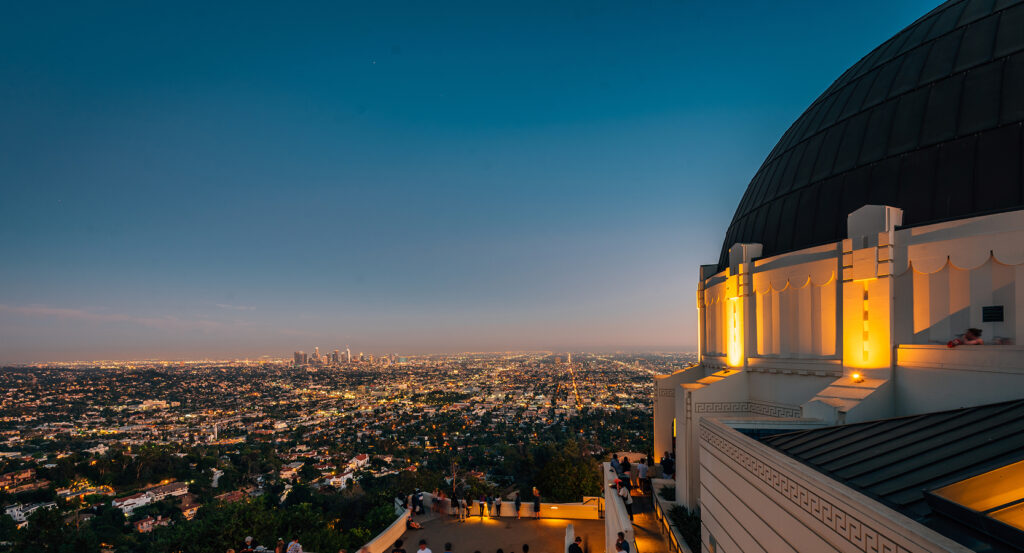
Why Sesnon Boulevard matters.
Sesnon Boulevard is a dynamic corridor where Granada Hills' equestrian heritage, foothill landscapes, transportation history, and access to the northern San Fernando Valley define one of the area's most distinctive east-west thoroughfares.
Running through Granada Hills between Porter Ranch and Sylmar, the corridor connects neighborhood business districts, schools, parks, trailheads, residential communities, and regional transportation routes that collectively reflect the character of Los Angeles' northern foothills. Broad streets, mature trees, mountain views, equestrian properties, and carefully maintained public spaces preserve a corridor shaped by successive phases of suburban growth and civic planning. Businesses, educational institutions, community organizations, municipal agencies, and local residents continue reinforcing Sesnon Boulevard's importance while supporting recreation, commerce, and neighborhood life throughout the northwestern San Fernando Valley. The result is an experience defined by foothill scenery, regional connectivity, and the enduring character of Granada Hills.
What defines Sesnon Boulevard.
Sesnon Boulevard is best known for honoring Charles Sesnon, a nineteenth-century California rancher whose family holdings became closely associated with the northern San Fernando Valley during the region's agricultural era before extensive suburban development followed the twentieth century. The corridor crosses the former 116,858-acre Rancho Ex-Mission San Fernando, patented in 1846 to Eulogio de Celis, before substantial land acquisitions by Isaac Lankershim, whose large-scale wheat enterprises transformed the valley's economy, and later by the Los Angeles Suburban Homes Company, which accelerated residential subdivision after 1910. Sesnon Boulevard provides one of the principal surface connections between Interstate 5, State Route 118, and communities bordering the Santa Susana Pass, a transportation gateway whose wagon routes carried freight, stagecoaches, and travelers between the Los Angeles Basin and the San Joaquin Valley throughout the nineteenth century. Construction of nearby O'Melveny Park beginning with land acquisitions by the City of Los Angeles in the 1970s, together with preservation of adjacent open-space corridors in the Santa Susana Mountains, reinforced Sesnon Boulevard's role as the primary access route to one of Los Angeles' largest municipal park landscapes.
O'Melveny Park, encompassing 672 acres, preserves chaparral, coast live oak woodland, walnut groves, and more than 15 miles of hiking and equestrian trails accessed directly from Sesnon Boulevard while protecting habitat for mule deer, coyotes, bobcats, and red-tailed hawks. Mission Point, rising 2,771 feet above sea level immediately north of the corridor, occupies a sandstone summit reached by historic trail alignments that have long made Sesnon Boulevard a departure point for foothill recreation. The Santa Susana Pass State Historic Park, established in 1998, preserves remnants of the nineteenth-century stagecoach route, sandstone outcrops, and archaeological resources documenting transportation history that directly complements the corridor's historic function. Granada Hills Recreation Center, operated by the Los Angeles Department of Recreation and Parks, provides athletic fields, playgrounds, community programs, and public facilities serving neighborhoods connected by Sesnon Boulevard.
How Sesnon Boulevard fits.
Sesnon Boulevard works as an exploration of the northern San Fernando Valley's foothill landscapes, transportation history, and outdoor recreation.
Begin at Granada Hills Recreation Center, where community facilities and open green space introduce the neighborhoods served by Sesnon Boulevard before following the corridor toward the foothills. Continue to O'Melveny Park, where extensive trail networks, native vegetation, and sweeping valley views reveal the natural landscape that has shaped the corridor's development for generations. Conclude at Santa Susana Pass State Historic Park, where preserved wagon routes, sandstone formations, and interpretive resources provide a fitting finale centered on the transportation history that established this gateway between Southern California's valleys. The progression moves naturally from neighborhood life to protected open space before concluding with one of California's earliest overland transportation corridors, revealing why Sesnon Boulevard continues expressing the enduring character of Granada Hills.
Where your story begins.
Foresyte Travel reveals places that feel extraordinary long before you arrive.
Enjoy editorial crafted for luxury travelers.
Foresyte may earn a commission when you book.





































































































