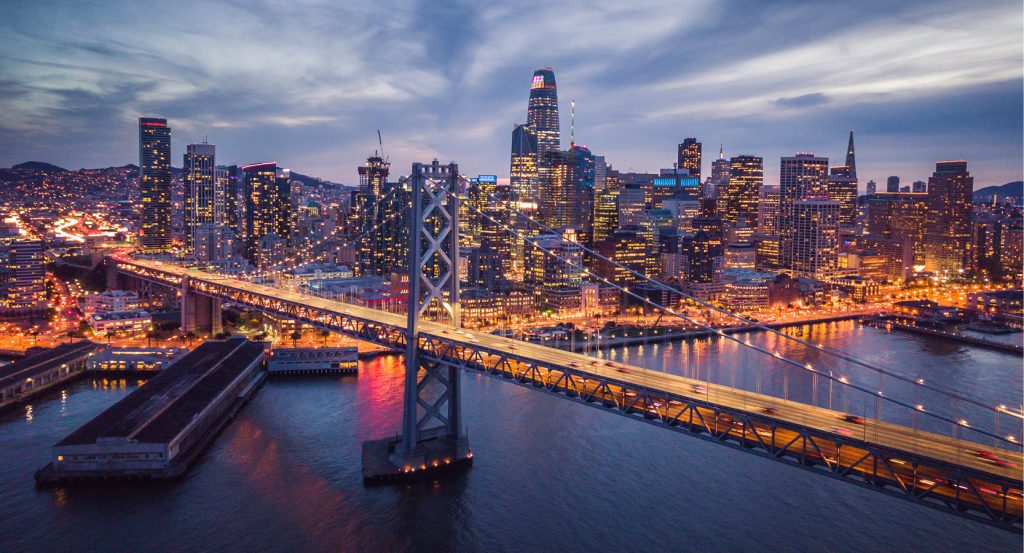
Why you should experience The Donatello in San Francisco, California.
The Donatello is an Italianate suite hotel where Union Square's theatrical energy, metropolitan polish, Italian cultural references and tradition of intimate urban hospitality converge within a vertically layered retreat on Post Street.
Set along Post Street near Mason Street and just steps from Union Square, the 15-story Donatello Building organizes its hospitality program around unusually large studio-style accommodations, with Club Donatello occupying 45 suites across the 11th, 12th and 14th floors while Shell Vacations Hospitality operates The Donatello within the same building. Club Donatello developed its upper-floor character through Tuscan-inspired interiors, original artwork and accommodations exceeding 400 square feet, extending the property's Italian namesake into a residential design style above the surrounding theater district. Club 1500 crowns the building with 270-degree views across San Francisco, creating an elevated social space whose position reinforces the unusual vertical separation between the property's accommodations and its uppermost gathering rooms. The result is a hotel where The Donatello, Club Donatello, Tuscan design references and Club 1500 give Union Square's dense hospitality landscape an unusually residential Italian inflection.
What you should know about The Donatello.
The Donatello is best known for an unusual ownership and hospitality structure that places Shell Vacations Club accommodations and Club Donatello within the same 501 Post Street building, creating parallel experiences under one roof while preserving a distinct private-club character on its upper floors. Club Donatello comprises 45 suites distributed across three upper stories, each exceeding 400 square feet and incorporating original artwork within an Italian-inspired decorative program, while the broader Donatello operation functions within Shell Vacations Hospitality's California resort portfolio. The building's rooftop Club 1500 provides a 270-degree panorama over San Francisco, establishing the private lounge as the architectural culmination of Club Donatello's vertical footprint. The coexistence of Shell Vacations Hospitality, Shell Vacations Club and Club Donatello makes the property a distinctive hybrid of hotel lodging, vacation ownership and private-club accommodation within a single Union Square building.
Zingari Ristorante develops the property's strongest cultural extension through an Italian dining room embedded directly within The Donatello and conceived around the regional cooking traditions suggested by the hotel's name and interior identity. Zingari pairs its Italian culinary program with live jazz, making music part of the restaurant's continuing relationship with the property and extending The Donatello's Italian references beyond the guestrooms into an evening social setting. The restaurant joins Club 1500 within a building whose Italian-inspired suites, original artwork and rooftop gathering space allow dining, visual culture and private-club hospitality to reinforce one coherent identity. Together, Zingari Ristorante, Club Donatello, Club 1500 and Shell Vacations Club establish The Donatello as a layered Union Square property whose defining character comes from the interaction of Italian cultural references, music, art and an unusual ownership model.
How to fold The Donatello into your trip.
The Donatello works as the anchor for an afternoon tracing San Francisco's theatrical tradition, architectural patronage and public art through Union Square.
Begin at Curran Theatre, opened in 1922 after producer Homer Curran commissioned architect Alfred Henry Jacobs to create a theater modeled partly on New York's Cort Theatre, establishing a Geary Street stage that later hosted pre-Broadway productions and generations of nationally significant performers. Continue to 450 Sutter Building, where architect Timothy Pflueger completed the 26-story medical and dental tower in 1929, covering its street entrance and lobby with an elaborate Mayan-inspired program that made the building one of the most distinctive expressions of Pflueger's Art Deco imagination. Conclude at Union Square, established as a public plaza in 1850 and subsequently centered on the Dewey Monument, where sculptor Robert Aitken placed a bronze Victory modeled by Alma de Bretteville atop the granite column dedicated by President Theodore Roosevelt in 1903. The progression moves from Curran and Jacobs's theatrical culture through Pflueger's architectural experimentation into Aitken, de Bretteville and Roosevelt's civic composition, revealing the worlds of performance, design and public performance concentrated around The Donatello.
Where your story begins.
Foresyte Travel reveals places that feel extraordinary long before you arrive.
Experience premium editorial crafted for luxury travelers.