Why Tropicana Avenue matters.
Tropicana Avenue is a dynamic corridor where Paradise's resort heritage, transportation infrastructure, commercial investment, and entertainment economy converge along one of the Las Vegas Valley's principal east-west thoroughfares.
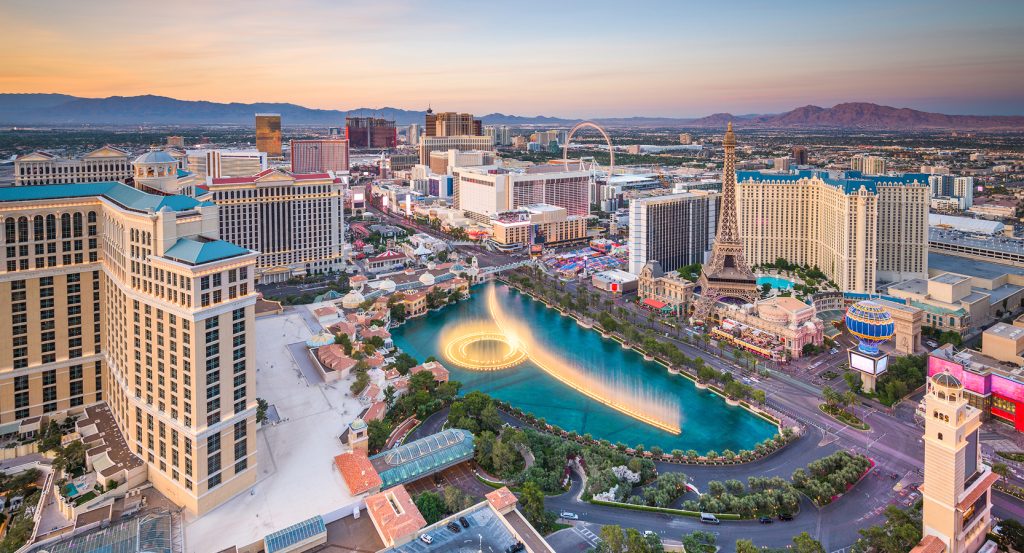
Running through Paradise between Spring Valley and Whitney, the corridor links world-renowned resorts, major sports venues, business districts, residential communities, and regional transportation corridors that collectively reflect the extraordinary growth of metropolitan Las Vegas over the past seven decades. Reinforced-concrete resort towers, contemporary office buildings, masonry commercial centers, landscaped medians, desert-adapted vegetation, and broad multi-lane boulevards establish a streetscape where hospitality, commerce, and regional mobility remain closely interconnected. Throughout the corridor, resort developers, architects, engineers, hospitality executives, entrepreneurs, healthcare providers, transportation planners, and business owners have cultivated an environment defined by continual reinvestment, economic diversity, and metropolitan importance. The result is an experience distinguished by commercial significance, architectural evolution, and one of Paradise's defining corridors.
What defines Tropicana Avenue.
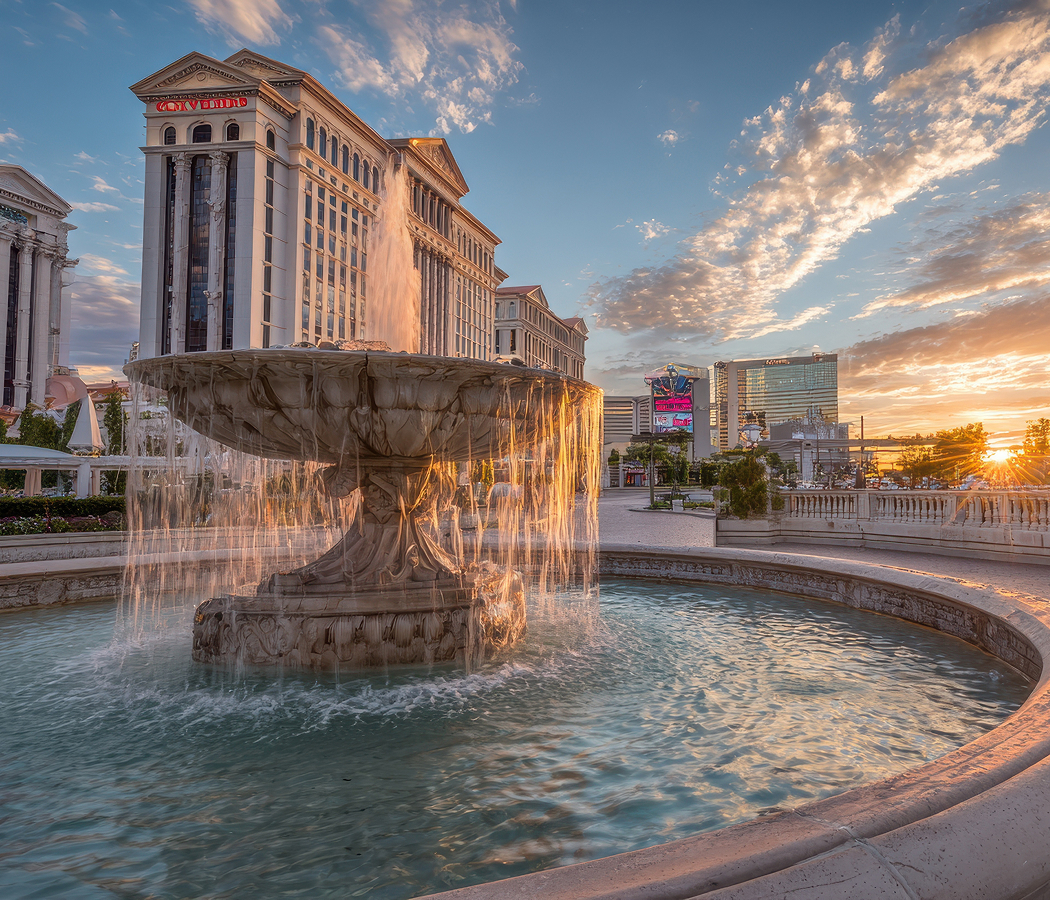
Tropicana Avenue is best known for extending through Paradise, where construction of the Tropicana Las Vegas in 1957 established one of the Strip's earliest luxury resorts before subsequent expansion of Interstate 15, continued growth of Harry Reid International Airport, development of the Las Vegas Strip, and construction of Allegiant Stadium, which opened in 2020, transformed the corridor into one of Southern Nevada's primary transportation and hospitality arteries. Continued investment introduced internationally recognized integrated resorts, convention facilities, sports infrastructure, corporate offices, medical campuses, hospitality suppliers, and commercial centers constructed with reinforced concrete, structural steel, curtain-wall glazing, engineered façades, and advanced building systems reflecting successive generations of Las Vegas architecture. The corridor matured alongside resort operators, aviation businesses, engineers, architects, healthcare organizations, construction firms, logistics companies, and hospitality suppliers whose continued investment established Paradise among the nation's foremost centers for tourism, conventions, entertainment, and business. Desert willow, blue palo verde, honey mesquite, creosote bush, Gambel's quail, mourning doves, and landscaped xeric vegetation continue contributing to the environmental character surrounding the avenue today. Together, these transportation milestones, hospitality developments, construction technologies, occupational histories, architectural materials, and Mojave Desert landscapes establish Tropicana Avenue as one of Paradise's defining commercial corridors.
Marnell Corrao Associates, Klai Juba Wald Architecture + Interiors, and HNTB collectively shaped major projects surrounding Tropicana Avenue through resort architecture, hospitality design, and the engineering of Allegiant Stadium, reinforcing the corridor's reputation for large-scale private investment. MGM Resorts International, Caesars Entertainment, and Wynn Resorts helped drive sustained demand for hospitality suppliers, engineering consultants, specialty contractors, and professional services operating along and near the avenue as resort development accelerated across successive decades. Martin-Harris Construction, Burke Construction Group, and numerous regional builders further expanded the corridor's commercial importance by delivering hospitality, healthcare, education, and corporate projects throughout the Central Las Vegas Valley. Together, nationally recognized architectural firms, major resort operators, leading construction companies, and sustained private investment demonstrate how Tropicana Avenue evolved into one of Southern Nevada's most influential economic corridors beyond its role as a transportation route.
How Tropicana Avenue fits.
Tropicana Avenue works as an exploration of modern Las Vegas through entertainment, sports, and hospitality.
Begin at Allegiant Stadium, where contemporary engineering, large-scale event production, and the home of the Las Vegas Raiders introduce one of the city's defining modern achievements. Continue to T-Mobile Arena, whose year-round concerts, sporting events, and entertainment programming deepen appreciation for the district's role within the city's live entertainment economy before naturally guiding the experience toward its concluding destination. Conclude at MGM Grand Las Vegas, where one of the world's largest hotels reflects the continuing evolution of resort architecture and hospitality that has defined Paradise for generations. The progression moves naturally from world-class sports through live entertainment before concluding with one of the Las Vegas Strip's most influential resort destinations.
Where your story begins.
Foresyte Travel reveals places that feel extraordinary long before you arrive.
Enjoy editorial crafted for luxury travelers.
Foresyte may earn a commission when you book.