
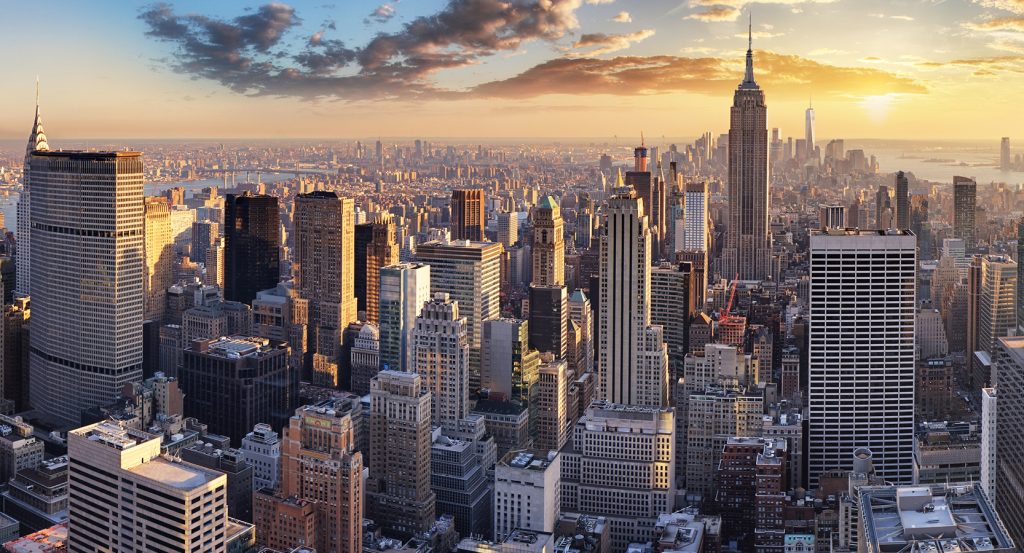
Why you should experience Watts Street in New York, NY.
Watts Street is a sophisticated corridor where SoHo's industrial heritage, architectural legacy, creative identity, and enduring relationship between historic manufacturing districts and contemporary urban life shape one of Lower Manhattan's defining streets.
Running through SoHo between Tribeca and Hudson Square, the corridor connects cast-iron loft buildings, residential conversions, galleries, neighborhood businesses, public spaces, and transit corridors that collectively reflect more than a century of carefully guided urban evolution. Nineteenth-century masonry warehouses, cast-iron façades, broad sidewalks, restored commercial buildings, and thoughtfully preserved streetscapes maintain a corridor shaped by manufacturing, adaptive reuse, landmark preservation, and sustained neighborhood investment. Residents, artists, entrepreneurs, preservation advocates, and local businesses continue reinforcing Watts Street's importance while supporting housing, commerce, culture, and community life throughout SoHo. The result is an experience defined by architectural continuity, creative vitality, and the enduring character of SoHo.
What you should know about Watts Street.
Watts Street is best known for reflecting SoHo's transformation from a nineteenth-century manufacturing district into one of New York City's foremost historic neighborhoods through industrial expansion, architectural innovation, preservation, and adaptive reuse. During the mid-to-late nineteenth century, architects including John P. Gaynor, Isaac F. Duckworth, and Griffith Thomas contributed to the area's remarkable concentration of cast-iron commercial architecture, while textile manufacturers, dry goods merchants, and warehouse operators established the district as a center of commerce. Designation of the SoHo-Cast Iron Historic District by the New York City Landmarks Preservation Commission in 1973, followed by listing on the National Register of Historic Places in 1978, safeguarded hundreds of architecturally significant buildings surrounding Watts Street. Today the corridor reflects more than a century of planning that integrates historic architecture, residential conversion, commercial activity, and cultural institutions within one of Lower Manhattan's most celebrated urban landscapes.
The corridor's architectural legacy continues naturally into the SoHo-Cast Iron Historic District, where interconnected blocks of ornamental cast-iron façades demonstrate how standardized metal construction reshaped commercial building design while preserving the visual character that defines Watts Street today. That foundation of preservation extends toward the New York City Fire Museum, housed in a restored 1904 firehouse, where exhibitions on firefighting history reinforce the neighborhood's broader commitment to adapting historic structures for contemporary civic use. Creative and commercial life continues evolving along nearby West Broadway and Greene Street, where galleries, design studios, independent retailers, and restored loft buildings occupy the same architectural structure established during SoHo's industrial era. Together, these architectural, cultural, and commercial assets reveal how Watts Street has evolved through preservation rather than replacement, allowing successive generations to build upon the district's historic fabric while maintaining its distinctive urban identity.
How to fold Watts Street into your trip.
Watts Street works as an exploration of SoHo's architectural heritage, preservation, and creative evolution.
Begin at the New York City Fire Museum, where a restored historic firehouse introduces the civic and architectural history that continues shaping the surrounding neighborhood. Continue through the SoHo-Cast Iron Historic District, whose remarkable collection of preserved nineteenth-century buildings reveals the industrial structure that defines Watts Street. Conclude along West Broadway, where galleries, boutiques, and restored loft buildings provide a fitting finale connecting the corridor's manufacturing origins with SoHo's contemporary creative identity. The progression moves naturally from civic history to architectural preservation before concluding with the neighborhood's thriving commercial and cultural life, revealing why Watts Street remains one of SoHo's defining corridors for understanding Lower Manhattan's continuing evolution.
Where your story begins.
Foresyte Travel reveals places that feel extraordinary long before you arrive.
Experience premium editorial crafted for luxury travelers.







































































































