
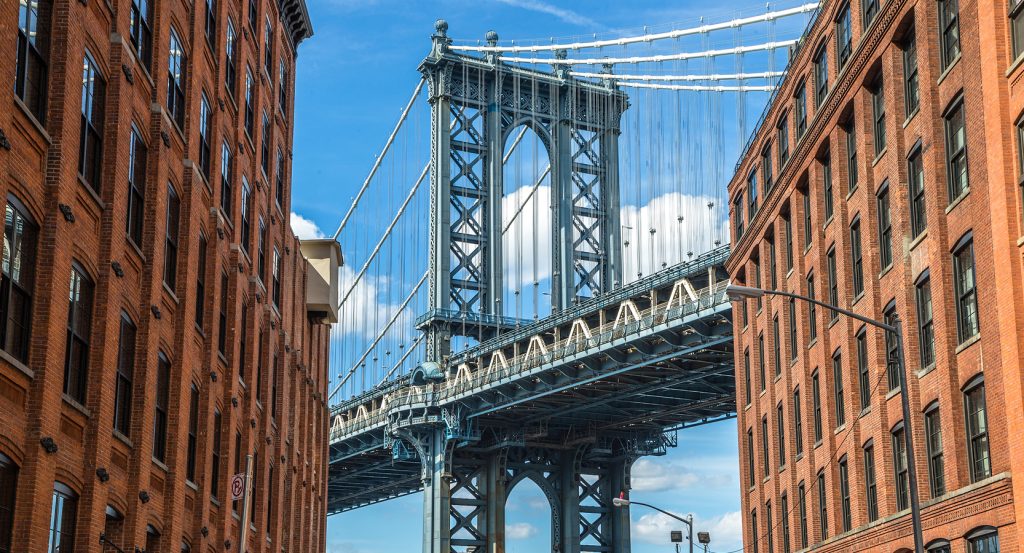
Why you should experience Wyckoff Street in New York, NY.
Wyckoff Street is a historic Boerum Hill corridor where brownstone elegance, residential heritage, and neighborhood charm converge along one of Brooklyn's most distinguished streets.
Running through Boerum Hill between Cobble Hill and Park Slope, this picturesque residential corridor connects landmark brownstones, historic churches, neighborhood businesses, public gathering spaces, architectural treasures, and community institutions that have shaped Brooklyn life for generations. Tree-lined blocks, nineteenth-century row houses, preserved facades, neighborhood gardens, and celebrated streetscapes create an environment defined by authenticity and timeless appeal. The corridor emerged during the nineteenth century as Brooklyn rapidly expanded into one of America's premier residential cities. Architects, merchants, preservationists, civic leaders, entrepreneurs, and residents helped establish a legacy that continues to define the neighborhood today. To the west, Cobble Hill extends naturally from Wyckoff Street through a collection of historic streets, architectural landmarks, and neighborhood destinations that reinforce the corridor's enduring significance. The result is a street defined by architectural beauty, residential character, and enduring Brooklyn charm.
What you should know about Wyckoff Street.
Wyckoff Street is best known for being named after the Wyckoff family, among Brooklyn's oldest Dutch settler families whose descendants helped shape the borough's early agricultural and civic development.
The Wyckoff family arrived in New Netherland during the seventeenth century and became among the region's most influential farming families, with landholdings that extended across what would later become Brooklyn. As the borough urbanized during the nineteenth century, streets bearing the family name preserved connections to Brooklyn's Dutch colonial origins. Wyckoff Street evolved alongside surrounding residential neighborhoods while retaining its historical identity. Today, the street remains a lasting reminder of Brooklyn's earliest European settlement. Few Brooklyn streets maintain such a direct connection to one of the borough's founding Dutch families.
How to fold Wyckoff Street into your trip.
Wyckoff Street works as an exploration of brownstone Brooklyn, neighborhood history, and architectural preservation.
Begin at the Boerum Hill Historic District, where the corridor's defining relationship with preservation, residential design, and neighborhood character immediately comes into focus. Continue toward the New York Transit Museum, whose exhibits reveal the infrastructure and urban growth that helped shape the surrounding district across generations. From there, make your way to Brooklyn Bridge Park, where one of Brooklyn's most celebrated waterfront destinations provides broader perspective on the public investment, recreation, and civic vision that continue to define the borough today. Along the route, you'll encounter historic brownstones, cultural institutions, architectural landmarks, public gathering spaces, neighborhood businesses, waterfront attractions, and celebrated streetscapes that showcase the remarkable depth of the district. The progression moves naturally from the Boerum Hill Historic District to the New York Transit Museum to Brooklyn Bridge Park, revealing how preservation, community life, and urban evolution combined to shape one of Brooklyn's most admired corridors. Wyckoff Street remains one of Brooklyn's most rewarding thoroughfares, preserving a distinctive balance between historical significance, architectural elegance, and contemporary neighborhood vitality.
Where your story begins.
Foresyte Travel reveals places that feel extraordinary long before you arrive.
Experience premium editorial crafted for luxury travelers.







































































































