
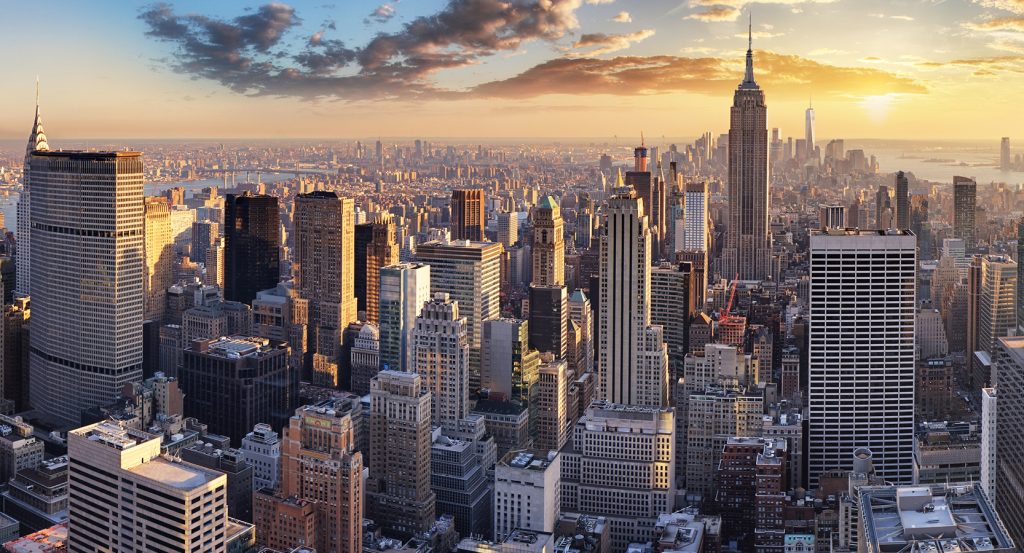
Why 132nd Street matters.
132nd Street is a distinguished corridor where Central Harlem's cultural legacy, Upper Manhattan's architectural heritage, and generations of neighborhood growth continue defining one of New York City's most influential urban districts.
Running through Central Harlem between Riverside Drive and 5th Avenue, the street passes historic apartment buildings, brownstones, neighborhood institutions, and established residential blocks that reflect more than a century of coordinated urban development. The corridor preserves successive layers of Neo-Renaissance, Beaux-Arts, Art Deco, and early Modern architecture while illustrating how transportation, planning, and civic investment transformed northern Manhattan into one of the city's premier residential neighborhoods. Walking along 132nd Street reveals a streetscape where architecture, infrastructure, and neighborhood history remain closely interconnected. The result is a corridor where Harlem continues expressing one of New York City's most enduring cultural identities.
What you should know 132nd Street.
132nd Street is best known for developing during Harlem's rapid residential expansion in the late nineteenth and early twentieth centuries, when speculative real-estate investment transformed former country estates and undeveloped land into a coordinated network of apartment houses, row houses, commercial buildings, and civic institutions. Construction accelerated after the Interborough Rapid Transit Lenox Avenue Line reached Harlem in 1904, strengthening regional accessibility and encouraging intensive residential development throughout the corridor during the opening decades of the twentieth century. Much of 132nd Street's present streetscape emerged between 1890 and 1935, producing an architectural collection of Neo-Renaissance apartment houses, Beaux-Arts institutional buildings, Art Deco residential structures, and early Modern apartment buildings that reflects Harlem's emergence as one of Manhattan's foremost residential districts. Continued façade rehabilitation, adaptive reuse, masonry conservation, and historic preservation have preserved 132nd Street as an architectural record of Central Harlem's principal era of urban development.
During the early twentieth century, architects including John Hauser, George F. Pelham, and Charles B. Meyers contributed residential commissions throughout Harlem whose Neo-Renaissance, Beaux-Arts, and Art Deco designs established the neighborhood's enduring architectural style extending along 132nd Street. Builders increasingly employed fireproof steel framing, reinforced concrete structural systems, passenger elevators, ornamental terra-cotta, carved limestone entrances, decorative brickwork, and improved apartment planning that accommodated sustained residential growth while preserving cohesive urban streetscapes. Extensive restoration campaigns during the late twentieth and early twenty-first centuries preserved historic cornices, masonry façades, ornamental stonework, decorative metalwork, and original architectural detailing despite continuing neighborhood reinvestment. Together, these planning decisions, transportation improvements, architectural innovations, and preservation efforts demonstrate how 132nd Street evolved into one of Central Harlem's defining residential corridors.
How 132nd Street fits.
132nd Street is best experienced through an afternoon exploring Harlem's literary heritage, artistic traditions, and historic public landscapes.
Begin at Schomburg Center for Research in Black Culture, where internationally significant archives, exhibitions, and research collections introduce Harlem's lasting influence on African diasporic history before exploring the surrounding neighborhood. Continue to The Studio Museum in Harlem, whose internationally acclaimed exhibitions and long-standing commitment to artists of African descent highlight Harlem's continuing contribution to contemporary art. Conclude at Marcus Garvey Park, where dramatic rock outcrops, historic landscape features, and sweeping neighborhood views provide a memorable finale celebrating one of Harlem's defining civic landscapes. The progression moves naturally from internationally important scholarship to contemporary artistic expression before concluding within a landmark public landscape, revealing how 132nd Street connects Harlem's intellectual traditions with its enduring cultural identity.
Where your story begins.
Foresyte Travel reveals places that feel extraordinary long before you arrive.
Enjoy editorial crafted for luxury travelers.
Foresyte may earn a commission when you book.







































































































