
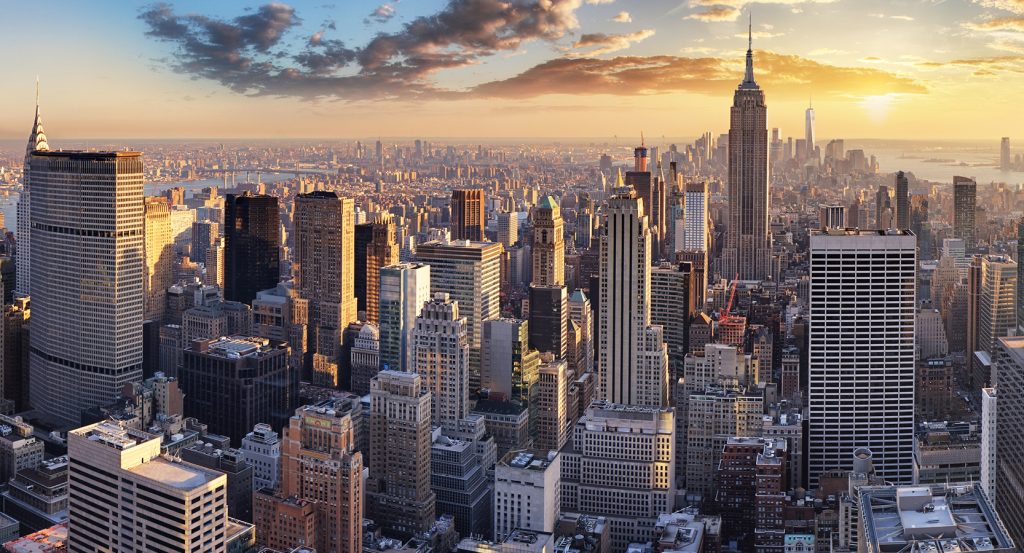
Why 73rd Street matters.
73rd Street is an elegant corridor where the Upper East Side's architectural grandeur, cultural distinction, residential refinement, and enduring Gilded Age legacy remain woven into everyday Manhattan life.
Running through the Upper East Side between Lenox Hill and Yorkville, the street passes stately townhouses, distinguished prewar apartment buildings, neighborhood churches, and tree-lined sidewalks that reveal a quieter rhythm than the city's celebrated commercial avenues. Its blocks transition naturally between refined residential addresses and world-renowned cultural institutions, allowing historic masonry, ornamental limestone façades, and carefully maintained streetscapes to shape an atmosphere defined by continuity. Every intersection reinforces the neighborhood's reputation for architectural preservation, understated prestige, and generations of civic investment that continue to define this section of Manhattan. The result is a corridor whose graceful scale offers one of the clearest expressions of the Upper East Side's historic residential character.
What you should know 73rd Street.
73rd Street is best known for passing through one of New York City's most comprehensively protected historic neighborhoods, where much of the corridor falls within the Upper East Side Historic District, designated by the New York City Landmarks Preservation Commission in 1981 and expanded in 2010 to recognize thousands of architecturally significant buildings dating primarily from the late nineteenth and early twentieth centuries. Development accelerated after the arrival of the 2nd Avenue and 3rd Avenue elevated railways and later the Lexington Avenue subway, transforming former country estates into blocks of brownstones, luxury apartment houses, churches, schools, and civic institutions that established the Upper East Side as Manhattan's premier residential district. East 73rd Street also contains the Oliver D. Filley House at 4 East 73rd Street, an Italian Renaissance Revival mansion designed by C.P.H. Gilbert in 1902, reflecting the wave of architect-designed residences commissioned during the neighborhood's Gilded Age expansion. Continued landmark protections have preserved the corridor's limestone façades, decorative ironwork, masonry detailing, and cohesive residential streetscape, making 73rd Street an enduring record of Manhattan's architectural evolution.
Private residential patronage established much of East 73rd Street's distinctive character before cultural organizations adapted many of its historic residences, allowing architect-designed townhouses to remain active components of the neighborhood. The Leo Baeck Institute occupies the former Warburg House at 129 East 73rd Street, while the Ukrainian Institute preserves the Isaac D. Fletcher Mansion at 2 East 79th Street, illustrating how nearby institutional stewardship has helped sustain the architectural character surrounding the corridor through continued occupation. Residential commissions by architects including C.P.H. Gilbert, Delano & Aldrich, and Cross & Cross collectively introduced Renaissance Revival, Beaux-Arts, and Neo-Georgian residences whose carved limestone entrances, ornamental cornices, and finely detailed masonry continue to define the streetscape extending along East 73rd Street. Together, these preserved residences, adaptive institutional uses, distinguished architectural commissions, and decades of landmark oversight demonstrate how 73rd Street evolved through continuous investment in its historic fabric while retaining one of Manhattan's most coherent residential environments.
How 73rd Street fits.
73rd Street is best explored as part of an architectural walk through the Upper East Side's historic residential core.
Begin at The Metropolitan Museum of Art before wandering east toward 73rd Street, where the transition from Museum Mile into quieter residential blocks reveals a different dimension of Manhattan's cultural landscape. Continue along 73rd Street itself, appreciating its distinguished townhouses, elegant apartment buildings, and carefully preserved architectural rhythm as the neighborhood unfolds at a slower pace than the surrounding avenues. Conclude at The Frick Collection, whose restored Gilded Age mansion provides a fitting culmination to an experience centered on architecture, preservation, and New York's residential heritage. The progression naturally connects internationally celebrated collections with one of the Upper East Side's finest residential corridors, revealing how 73rd Street quietly captures the neighborhood's enduring architectural identity.
Where your story begins.
Foresyte Travel reveals places that feel extraordinary long before you arrive.
Enjoy editorial crafted for luxury travelers.
Foresyte may earn a commission when you book.







































































































