
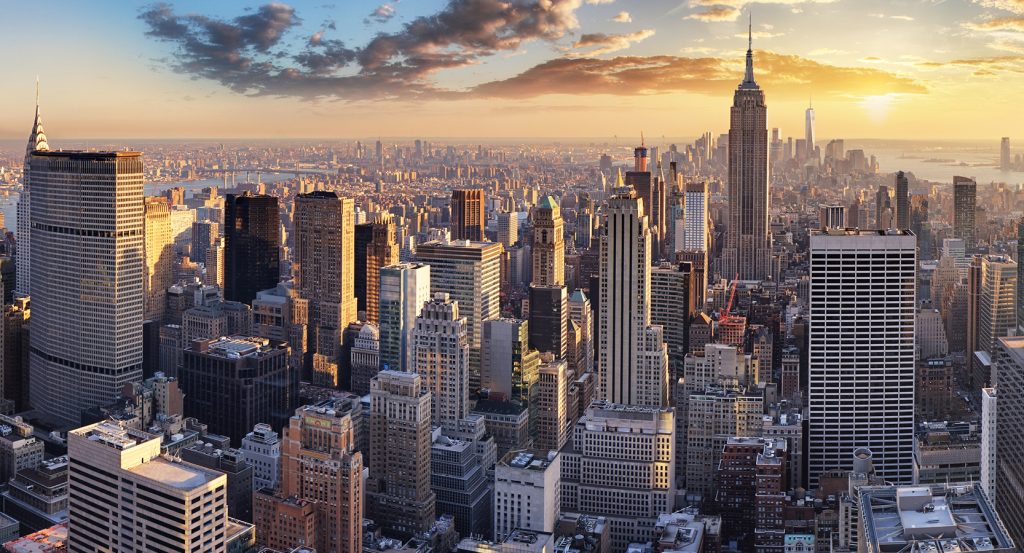
Why Lexington Avenue matters.
Lexington Avenue is a renowned Manhattan corridor where urban mobility, architectural ambition, and neighborhood diversity converge along one of the city's most influential avenues.
Running through the East Side between Murray Hill and East Harlem, this iconic thoroughfare connects landmark skyscrapers, historic residential districts, cultural institutions, transportation hubs, commercial corridors, and community destinations that have shaped New York life for generations. Early skyscrapers, prewar apartment buildings, thriving retail frontages, civic landmarks, and celebrated streetscapes create an environment defined by continuity and movement. The corridor developed rapidly during the nineteenth and twentieth centuries as transportation improvements fueled residential and commercial growth across Manhattan's East Side. Architects, entrepreneurs, immigrants, residents, business leaders, and civic planners helped establish an avenue that reflects the remarkable diversity of New York itself. To the north, East Harlem extends naturally from Lexington Avenue through a collection of historic streets, cultural institutions, and neighborhood landmarks that reinforce the corridor's enduring significance. The result is a street defined by accessibility, cultural richness, and enduring metropolitan importance.
What defines Lexington Avenue.
Lexington Avenue is best known for housing the Chrysler Building, the Art Deco masterpiece that briefly became the tallest building in the world in 1930 after its iconic stainless-steel spire was secretly assembled inside the tower and raised into place.
Designed by architect William Van Alen, the building emerged as the dramatic victor of New York's famous skyscraper race during the late 1920s. The concealed construction of the spire allowed the project to surpass competing towers and capture the world height record upon completion. Its gleaming crown, automotive-inspired ornamentation, and elegant proportions helped establish it as one of the most celebrated skyscrapers ever constructed. Architectural historians frequently regard the building as the defining achievement of the Art Deco era. Few avenues anywhere in the world maintain such a direct connection to a structure whose completion became one of the most famous moments in skyscraper history.
How Lexington Avenue fits.
Lexington Avenue works as an exploration of New York's architectural innovation, neighborhood diversity, and East Side energy.
Begin at Chrysler Building, where the avenue's defining relationship with ambition, design, and engineering achievement immediately comes into focus. Continue toward Grand Central Terminal, whose transportation significance reveals the infrastructure and connectivity that helped shape the surrounding district across generations. From there, make your way to The Morgan Library & Museum, where one of New York's most remarkable cultural institutions provides broader perspective on the intellectual and artistic traditions that continue to define this section of Manhattan today. Along the route, you'll encounter landmark skyscrapers, transportation icons, cultural institutions, historic buildings, public gathering spaces, commercial destinations, and celebrated streetscapes that showcase the remarkable depth of the avenue. The progression moves naturally from Chrysler Building to Grand Central Terminal to The Morgan Library & Museum, revealing how architecture, transportation, and cultural patronage combined to shape one of Manhattan's most influential corridors. Lexington Avenue remains one of New York's most rewarding avenues, preserving a distinctive balance between architectural distinction, neighborhood vitality, and enduring urban significance.
Where your story begins.
Foresyte Travel reveals places that feel extraordinary long before you arrive.
Enjoy editorial crafted for luxury travelers.
Foresyte may earn a commission when you book.







































































































