
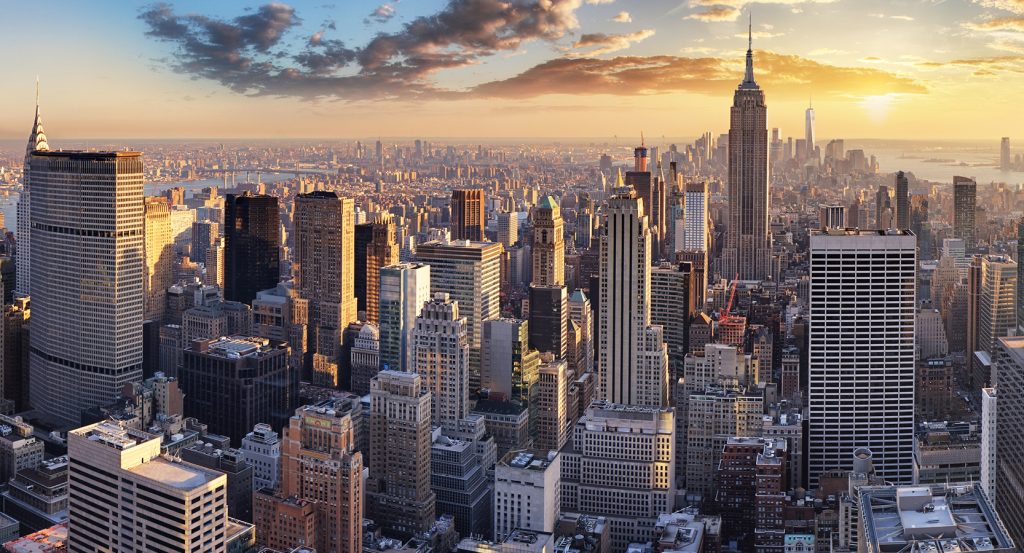
Why you should experience 75th Street in New York, NY.
75th Street is a cultivated corridor where the Upper East Side's architectural refinement, cultural stewardship, residential prestige, and the enduring rhythm of Manhattan life unfold with remarkable composure.
Running through the Upper East Side between Lenox Hill and Yorkville, the street moves beneath mature tree canopies, distinguished apartment houses, historic townhouses, elegant limestone façades, and neighborhood institutions that reveal a quieter expression of New York than the city's celebrated avenues. Each block deepens that atmosphere as intimate cafés, independent boutiques, museum-bound pedestrians, discreet entrances, and carefully preserved streetscapes reinforce a sense of continuity shaped across generations of urban life. Crossing the corridor becomes less about reaching another destination than experiencing one of Manhattan's most gracefully scaled residential environments, where architectural character and neighborhood character remain inseparable. The result is a street whose measured elegance naturally invites a deeper exploration of the history, institutions, and enduring civic fabric that define the Upper East Side.
What you should know about 75th Street.
75th Street is best known for traversing one of Manhattan's most architecturally intact residential landscapes, where substantial portions of the corridor lie within the Upper East Side Historic District and its 2010 expansion, protected by the New York City Landmarks Preservation Commission for their exceptional concentration of nineteenth- and early twentieth-century architecture. The surrounding neighborhood evolved principally between the 1860s and the early twentieth century as country estates gave way to rows of brownstones, luxury apartment houses, and civic institutions that established the Upper East Side as one of New York's premier residential districts. Along East 75th Street, the Renaissance Revival school building at 163-173 East 75th Street was designed by architect Robert J. Reiley in 1925-26 for the Church of St. Jean Baptiste after replacing a row of nineteenth-century brownstone tenements. Landmark designation and subsequent district expansion preserved both the corridor's masonry streetscape and its architectural continuity, ensuring that East 75th Street remains closely tied to one of Manhattan's most significant historic residential environments.
Long before preservation defined the corridor, the Seventy-Fifth Street Syndicate assembled properties along the block during the early 1920s with plans to create a residential enclave inspired by London's Pomander Walk, although the ambitious redevelopment was ultimately never constructed after the Church of St. Jean Baptiste acquired the site instead. The resulting school building opened in 1926 at 163-173 East 75th Street, replacing six brownstone tenements and extending the architectural presence of the adjacent parish through Robert J. Reiley's Renaissance Revival design. That sequence of unrealized private development, institutional investment, and later landmark protection demonstrates how East 75th Street evolved through successive planning decisions instead of a single wave of construction, leaving visible layers of Manhattan's residential history within one continuous corridor. Together, those surviving buildings, preserved façades, and documented redevelopment ambitions distinguish 75th Street as an unusually coherent record of how private investment, religious institutions, and preservation policy collectively shaped the Upper East Side's built environment.
How to fold 75th Street into your trip.
75th Street works as an architectural walk through the Upper East Side's cultural and residential heart.
Begin at The Metropolitan Museum of Art before strolling eastward toward 75th Street, allowing the transition from 5th Avenue's grand institutions into the quieter residential blocks to unfold. Continue along 75th Street itself, appreciating its limestone townhouses, distinguished apartment buildings, and carefully preserved architectural rhythm as the neighborhood reveals a more intimate side of Manhattan. Conclude at The Frick Collection, where one of New York's great Gilded Age residences provides a fitting finale to an experience centered on architecture, preservation, and Upper East Side history. The progression connects world-class cultural institutions with one of Manhattan's finest residential corridors, revealing how 75th Street quietly binds together the neighborhood's architectural legacy and everyday civic life.
Where your story begins.
Foresyte Travel reveals places that feel extraordinary long before you arrive.
Experience premium editorial crafted for luxury travelers.







































































































