
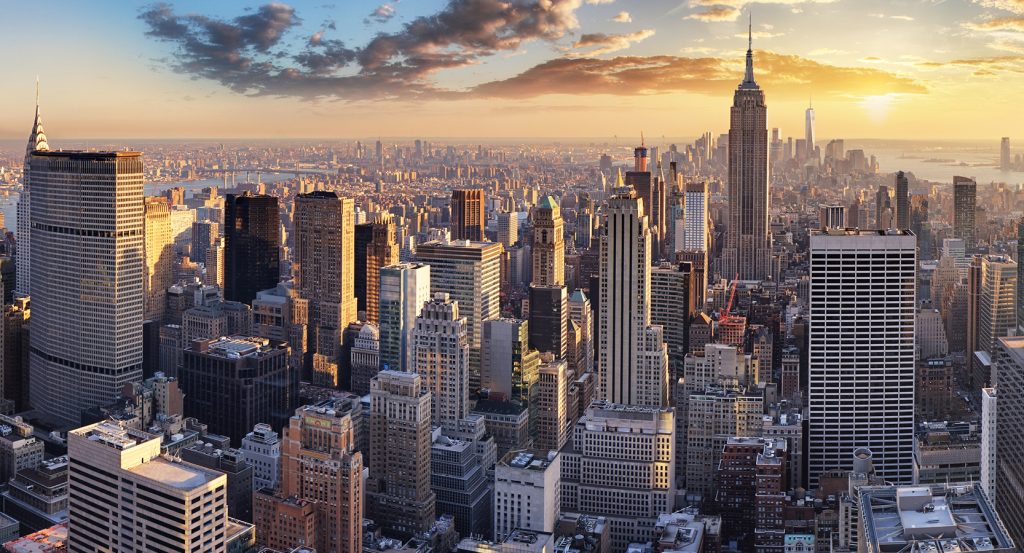
Why Barclay Street matters.
Barclay Street is a distinguished corridor where Tribeca's commercial heritage, civic significance, architectural legacy, and enduring Lower Manhatta character shape one of downtown's defining streets.
Running through Tribeca between Battery Park City and City Hall, the corridor connects historic churches, office towers, transit hubs, educational institutions, hotels, and commercial buildings that collectively reflect more than two centuries of carefully guided urban development. Federal-era streets, Gothic Revival architecture, modern skyscrapers, restored commercial buildings, public plazas, and transportation infrastructure reveal a corridor shaped by mercantile expansion, civic investment, financial growth, and sustained urban renewal. Residents, professionals, students, visitors, clergy, and community organizations continue reinforcing Barclay Street's importance while supporting commerce, education, transportation, and civic life throughout Tribeca. The result is an experience defined by historical continuity, architectural distinction, and the enduring character of one of Lower Manhattan's defining streets.
What defines Barclay Street.
Barclay Street is best known for linking the Hudson River waterfront with Lower Manhattan's historic civic and financial districts, where eighteenth-century street planning evolved alongside New York City's emergence as the nation's leading commercial center. The street honors Andrew Barclay, a prominent eighteenth-century merchant whose estate occupied nearby land before Manhattan's expanding street grid incorporated the surrounding area into the growing city. Development accelerated during the nineteenth century as nearby Hudson River Railroad terminals, ferry landings, and commercial warehouses strengthened Lower Manhattan's role in national trade, while twentieth-century subway construction and office development transformed Barclay Street into an important downtown transportation and business corridor. Today Barclay Street reflects more than two centuries of planning that integrates transportation infrastructure, religious architecture, commercial development, and civic investment within one of New York City's most historically significant urban corridors.
The corridor's historical character is anchored by St. Peter's Church, completed in 1766, making it one of Manhattan's oldest Episcopal congregations and an enduring presence along Barclay Street despite repeated periods of urban transformation. Nearby 7 World Trade Center, completed in 2006 following designs by Skidmore, Owings & Merrill architect David Childs, became the first office tower completed as part of the rebuilt World Trade Center complex while incorporating advanced environmental design standards. Transportation continues to shape the corridor through the World Trade Center Transportation Hub, opened in 2016, whose rail connections and striking architectural design reinforce Barclay Street's importance within Lower Manhattan's regional transportation network. Together, these religious, architectural, and transportation resources demonstrate how Barclay Street has evolved through sustained investment in civic resilience, infrastructure, and urban renewal.
How Barclay Street fits.
Barclay Street works as an exploration of Lower Manhattan's historic institutions, contemporary architecture, and civic renewal.
Begin at St. Peter's Church, where colonial-era origins, distinguished architecture, and centuries of continuous worship establish the historical foundation that has shaped Barclay Street since the eighteenth century. Continue to 7 World Trade Center, where innovative office design, sustainable engineering, and the rebuilt skyline deepen the experience by revealing how Lower Manhattan has continually adapted to changing economic and architectural priorities. Conclude at the World Trade Center Transportation Hub, where remarkable engineering, regional rail connections, and ambitious contemporary design provide the historical payoff by illustrating how Barclay Street continues connecting New York City's commercial past with its modern metropolitan future. The sequence progresses naturally from colonial history to architectural renewal before culminating in regional transportation, revealing how Barclay Street unites heritage, resilience, and urban innovation across Lower Manhattan.
Where your story begins.
Foresyte Travel reveals places that feel extraordinary long before you arrive.
Enjoy editorial crafted for luxury travelers.
Foresyte may earn a commission when you book.







































































































