Why Central Park North matters.
Central Park North is a distinguished corridor where Harlem's cultural legacy, civic heritage, architectural richness, and enduring Uptown character shape one of Manhattan's defining streets.
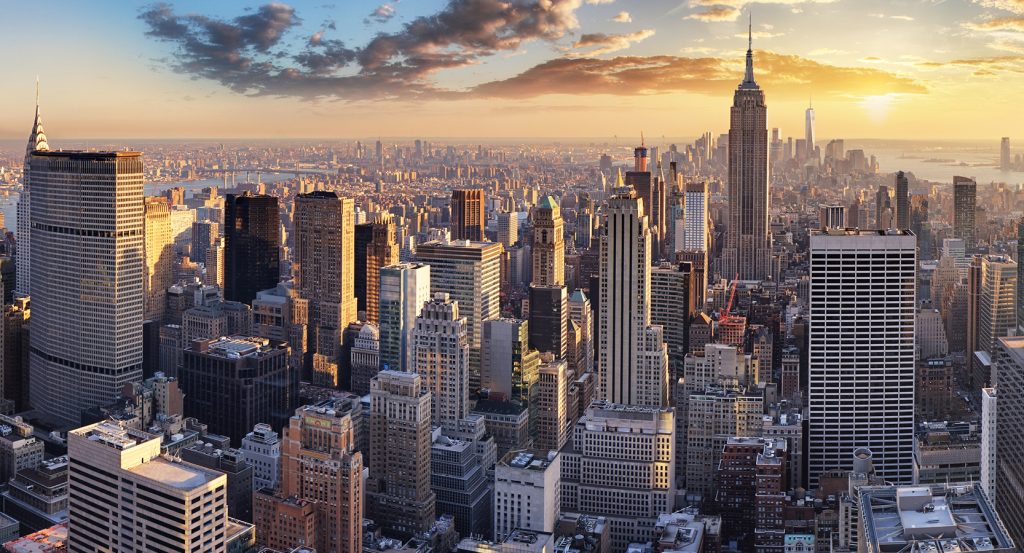
Running through Harlem between Morningside Heights and East Harlem, the corridor forms the northern edge of Central Park while connecting landmark churches, residential buildings, cultural institutions, schools, neighborhood businesses, and historic streetscapes that collectively reflect more than a century and a half of carefully guided urban development. Beaux-Arts apartment houses, Renaissance Revival churches, civic institutions, park entrances, and masonry residential blocks reveal a corridor shaped by park planning, residential expansion, cultural achievement, and sustained preservation efforts. Residents, artists, educators, entrepreneurs, preservation advocates, and community organizations continue reinforcing Central Park North's importance while supporting culture, education, commerce, and civic life throughout Harlem. The result is an experience defined by architectural continuity, cultural vitality, and the enduring character of one of Manhattan's defining streets.
What defines Central Park North.
Central Park North is best known for forming the northern boundary of Central Park, the 843-acre landscape designed by Frederick Law Olmsted and Calvert Vaux, whose Greensward Plan won the park design competition in 1858 and permanently reshaped Upper Manhattan's urban development. Officially designated as 110th Street while carrying the honorary name Central Park North, the corridor became one of the city's premier residential addresses as apartment construction accelerated during the late nineteenth and early twentieth centuries alongside expanding rapid transit and Harlem's remarkable population growth. Completion of nearby stations on the IRT Lenox Avenue Line in 1904 strengthened connections with Midtown, encouraging institutional investment, apartment construction, churches, schools, and commercial activity that transformed the corridor into a major civic spine. Today Central Park North reflects more than a century and a half of planning that integrates landscape architecture, transportation infrastructure, residential development, and historic preservation within one of Manhattan's most historically significant urban corridors.
The corridor's cultural character is reinforced by the Museum of the City of New York, founded in 1923, whose collections chronicle the city's architectural, political, and social development from the colonial era through the present. Nearby Duke Ellington Circle, completed in 1995 with a monument by sculptor Robert Graham, honors one of Harlem's most influential musicians at the park's northeast entrance. The adjacent Cathedral Church of St. John the Divine, whose cornerstone was laid in 1892, remains one of the world's largest churches while continuing to shape the surrounding community through architecture, education, and public programming. Together, these civic, cultural, and architectural institutions demonstrate how Central Park North has evolved through sustained investment in scholarship, preservation, and neighborhood stewardship.
How Central Park North fits.
Central Park North works as an exploration of Harlem's cultural institutions, expansive architecture, and the northern edge of New York City's most celebrated public landscape.
Begin at the Museum of the City of New York, where thoughtfully curated exhibitions and extensive historical collections establish the civic and cultural foundation that explains how Central Park North evolved alongside the growth of modern New York. Continue to Duke Ellington Circle, where expansive sculpture, landscaped public space, and the prominent gateway into Central Park deepen the experience by connecting Harlem's artistic legacy with one of Manhattan's most recognizable urban settings. Conclude at the Cathedral Church of St. John the Divine, where expansive Gothic architecture, generations of community engagement, and remarkable craftsmanship provide the historical payoff by illustrating the institutional ambition that helped define Upper Manhattan's civic identity. The sequence progresses naturally from urban history to public landscape before culminating in expansive architecture, revealing how Central Park North unites culture, planning, and civic tradition along one of Manhattan's most significant corridors.
Where your story begins.
Foresyte Travel reveals places that feel extraordinary long before you arrive.
Enjoy editorial crafted for luxury travelers.
Foresyte may earn a commission when you book.