
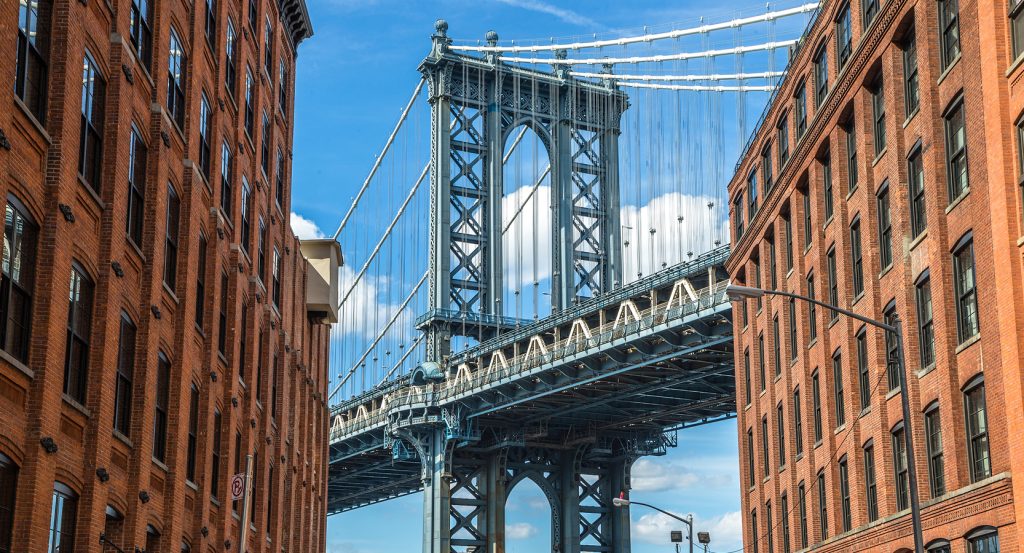
Why you should experience Clark Street in New York, NY.
Clark Street is a historic Brooklyn Heights corridor where architectural elegance, transportation history, and civic heritage converge along one of the borough's most distinguished streets.
Running through Brooklyn Heights between DUMBO and Cobble Hill, this historic corridor connects landmark brownstone blocks, historic churches, celebrated public spaces, neighborhood businesses, beautifully preserved townhouses, and vital transit connections that collectively showcase Brooklyn's remarkable architectural evolution. Federal-style homes, Greek Revival residences, Italianate brownstones, architecturally significant civic buildings, mature tree canopies, and inviting residential streets create an urban landscape where generations of civic leaders, writers, entrepreneurs, and families established one of New York City's earliest commuter suburbs. Clark Street developed during Brooklyn Heights' early nineteenth-century residential expansion while becoming a critical gateway between Brooklyn and Manhattan through the growth of rapid transit. The result is a corridor defined by architectural distinction, civic importance, and enduring neighborhood character.
What you should know about Clark Street.
Clark Street is best known for being home to Clark Street Station, the deep-level subway station that connects Brooklyn Heights to Manhattan through the Clark Street Tunnel beneath the East River.
Opened in 1919 as part of the Interborough Rapid Transit Company's Eastern Parkway Line expansion, the station dramatically improved travel between Brooklyn and Lower Manhattan by providing one of the borough's earliest direct rapid-transit connections beneath the East River. Its deep underground platforms, high-speed elevator access, and strategic location reinforced Brooklyn Heights' role as one of New York City's premier residential neighborhoods while supporting continued growth throughout the borough. Today, Clark Street Station remains one of Brooklyn's most important transit facilities, serving thousands of commuters each day while preserving a significant chapter in New York City's transportation history.
How to fold Clark Street into your trip.
Clark Street works as an exploration of Brooklyn Heights' architectural heritage, waterfront scenery, and historic landmarks.
Begin at Clark Street Station, where one of Brooklyn's most historically significant transit gateways immediately establishes the corridor's defining transportation legacy. Continue toward the Brooklyn Heights Promenade, whose sweeping views of Lower Manhattan and New York Harbor provide broader perspective on the neighborhood's enduring civic significance. From there, make your way to Plymouth Church, where nationally significant abolitionist history offers a memorable conclusion while highlighting the remarkable civic leadership that shaped Brooklyn Heights. Along the route, you'll encounter beautifully preserved brownstones, architecturally significant churches, neighborhood cafés, welcoming public spaces, scenic overlooks, and historic residential streets that reveal the corridor's exceptional depth. The progression moves naturally from landmark subway station to iconic waterfront promenade to nationally significant church, demonstrating how Clark Street connects transportation innovation, architectural beauty, and civic history within one of New York City's most distinguished neighborhoods. Clark Street remains one of the borough's most rewarding streets, preserving a distinctive balance between historical significance, neighborhood elegance, and metropolitan connectivity.
Where your story begins.
Foresyte Travel reveals places that feel extraordinary long before you arrive.
Experience premium editorial crafted for luxury travelers.







































































































