
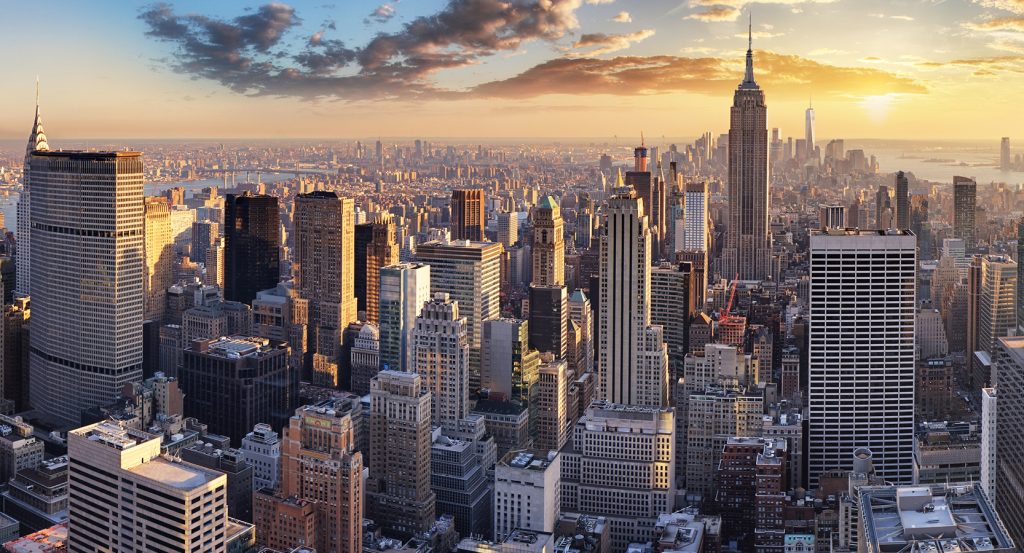
Why you should experience Cleveland Place in New York, NY.
Cleveland Place is a polished corridor where Nolita's immigrant heritage, commercial legacy, architectural character, and enduring downtown character shape one of Lower Manhattan's defining streets.
Running through Nolita between SoHo and Chinatown, the corridor connects nineteenth-century loft buildings, neighborhood businesses, historic tenements, restaurants, galleries, and compact streetscapes that collectively reflect more than a century and a half of carefully guided urban development. Cast-iron façades, brick commercial buildings, preserved masonry, narrow sidewalks, and distinctive corner structures reveal a corridor shaped by immigration, manufacturing, wholesale trade, and sustained neighborhood reinvestment. Residents, entrepreneurs, artists, restaurateurs, preservation advocates, and community organizations continue reinforcing Cleveland Place's importance while supporting commerce, culture, and civic life throughout Nolita. The result is an experience defined by architectural continuity, neighborhood resilience, and the enduring character of one of Lower Manhattan's defining streets.
What you should know about Cleveland Place.
Cleveland Place is best known for occupying a compact section of Lower Manhattan where nineteenth-century manufacturing, wholesale commerce, and immigrant settlement converged as New York expanded beyond its colonial street pattern into a dense network of commercial streets. The street received its present name in 1897 to honor Grover Cleveland, who had recently completed his second term as President of the United States, replacing the earlier name Orange Street. Nearby construction of the IRT Lexington Avenue Line, expansion of commercial loft districts, and continued growth along Broadway, Lafayette Street, and Bowery encouraged warehouses, factory lofts, retail businesses, and institutional buildings that linked SoHo, Nolita, and Chinatown into a continuous urban landscape. Today Cleveland Place reflects more than a century of planning that integrates transportation infrastructure, commercial architecture, immigrant history, and historic preservation within one of Lower Manhattan's most historically significant urban corridors.
The corridor's architectural setting is strengthened by the nearby SoHo-Cast Iron Historic District, designated by the New York City Landmarks Preservation Commission in 1973, preserving the world's largest concentration of nineteenth-century cast-iron commercial architecture. Community history is anchored by Old St. Patrick's Cathedral, dedicated in 1815, whose cemetery, basilica, and parish served generations of immigrant New Yorkers before the construction of the cathedral on 5th Avenue. Nearby Elizabeth Street Garden occupies a former vacant parcel that evolved into a neighborhood green space through community stewardship while remaining central to discussions surrounding preservation and redevelopment. Together, these architectural, religious, and civic resources demonstrate how Cleveland Place has evolved through sustained investment in preservation, neighborhood vitality, and cultural continuity.
How to fold Cleveland Place into your trip.
Cleveland Place works as an exploration of Nolita's architectural heritage, immigrant traditions, and evolving public spaces.
Begin at Old St. Patrick's Cathedral, where early nineteenth-century architecture, historic burial grounds, and generations of parish life establish the historical foundation that shaped the surrounding neighborhood long before modern Lower Manhattan emerged. Continue through the SoHo-Cast Iron Historic District, where richly ornamented façades, innovative structural engineering, and preserved commercial streetscapes deepen the experience by revealing the architectural transformation that accompanied New York's industrial expansion. Conclude at Elizabeth Street Garden, where sculpture, greenery, and adaptive reuse provide the historical payoff by illustrating how contemporary stewardship continues shaping one of Manhattan's oldest urban neighborhoods while respecting its layered past. The sequence progresses naturally from early civic history to industrial architecture before culminating in a contemporary public space, revealing how Cleveland Place connects successive chapters of Lower Manhattan's enduring evolution.
Where your story begins.
Foresyte Travel reveals places that feel extraordinary long before you arrive.
Experience premium editorial crafted for luxury travelers.







































































































