
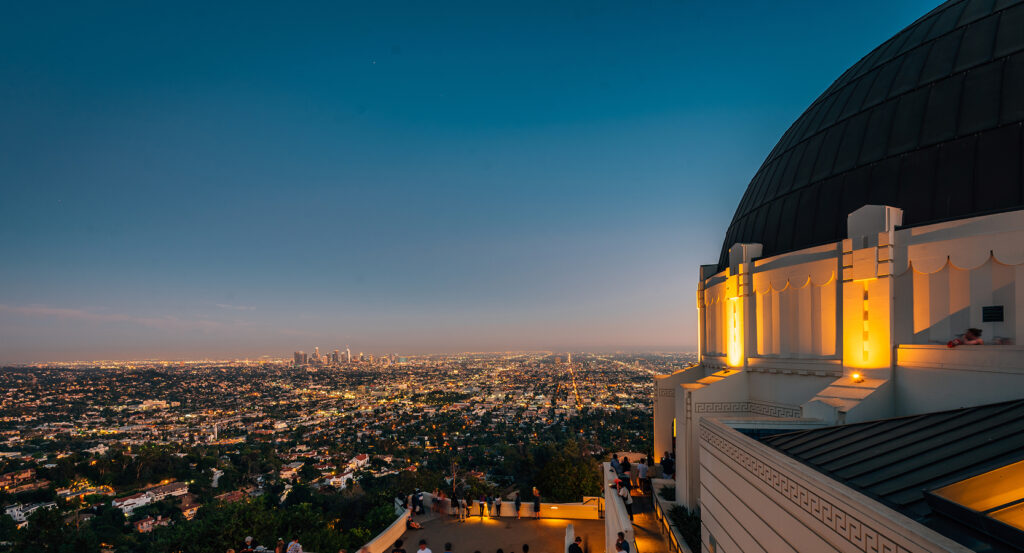
Why you should experience Del Mar Avenue in Los Angeles, California.
Del Mar Avenue is a welcoming corridor where Sawtelle's Japanese American heritage, neighborhood commerce, residential streets, and cultural traditions define one of Los Angeles' most distinctive north-south corridors.
Running through Sawtelle between Brentwood and West Los Angeles, the corridor connects neighborhood restaurants, local businesses, schools, parks, religious institutions, and established residential districts that collectively reflect the Westside's evolution from agricultural settlement into one of Southern California's most culturally diverse communities. Mature street trees, pedestrian-friendly sidewalks, neighborhood storefronts, landscaped residential blocks, and thoughtfully maintained public spaces preserve a corridor shaped by early twentieth-century development, immigrant entrepreneurship, and sustained neighborhood investment. City agencies, educational institutions, cultural organizations, neighborhood associations, and local businesses continue reinforcing Del Mar Avenue's importance while supporting commerce, community life, recreation, and everyday mobility throughout the Westside. The result is an experience defined by walkability, cultural richness, and the enduring character of Sawtelle.
What you should know about Del Mar Avenue.
Del Mar Avenue is best known for serving as a neighborhood north-south corridor linking Santa Monica Boulevard, Olympic Boulevard, Pico Boulevard, and surrounding residential streets while connecting Sawtelle with the commercial, educational, and residential districts that define Los Angeles' Westside. The corridor developed during the early twentieth century as the former Palms Land & Water Company subdivisions expanded alongside the Pacific Electric Railway, with the surrounding community becoming nationally recognized as one of Southern California's principal Japanese American neighborhoods before World War II, later reestablishing itself as a center of Japanese restaurants, businesses, and cultural institutions after the war. Del Mar Avenue provides direct access to the Sawtelle Japantown district, Stoner Recreation Center, and the West Los Angeles Veterans Affairs Campus, while remaining closely associated with neighborhood businesses, educational institutions, and residential streets that demonstrate more than a century of Westside growth. The City of Los Angeles continues coordinating Complete Streets improvements, accessibility upgrades, bicycle infrastructure, roadway rehabilitation, traffic-calming measures, and pedestrian enhancements because Del Mar Avenue functions simultaneously as a residential corridor, neighborhood connector, cultural route, and local transportation street.
Sawtelle Japantown, centered along nearby Sawtelle Boulevard, preserves one of Los Angeles' most significant concentrations of Japanese American businesses, restaurants, and community institutions while reinforcing the cultural character surrounding Del Mar Avenue. Stoner Recreation Center, operated by the Los Angeles Department of Recreation and Parks, provides athletic fields, playgrounds, tennis courts, and community programming that serve surrounding neighborhoods immediately adjacent to the corridor. West Los Angeles Veterans Affairs Campus, established in 1888 as the Pacific Branch of the National Home for Disabled Volunteer Soldiers, remains one of the nation's oldest and largest veterans' healthcare campuses while anchoring the western end of the surrounding district. Metro bus routes operating along Santa Monica Boulevard, Olympic Boulevard, and Pico Boulevard integrate Del Mar Avenue with Santa Monica, Century City, Downtown, and the broader regional transportation network.
How to fold Del Mar Avenue into your trip.
Del Mar Avenue works as an exploration of Sawtelle's cultural heritage, neighborhood recreation, and historic institutions.
Begin at Sawtelle Japantown, where longstanding restaurants, specialty shops, and community institutions introduce the cultural traditions that have shaped the neighborhoods surrounding Del Mar Avenue for generations. Continue to Stoner Recreation Center, where athletic facilities, shaded open space, and community programs reflect the everyday neighborhood life supported by the corridor. Conclude at the West Los Angeles Veterans Affairs Campus, whose historic grounds and enduring public mission provide a fitting finale reflecting the civic institutions that continue defining this part of the Westside. The progression moves naturally from cultural heritage to neighborhood recreation before concluding with national history, revealing why Del Mar Avenue continues expressing the enduring character of Sawtelle.
Where your story begins.
Foresyte Travel reveals places that feel extraordinary long before you arrive.
Experience premium editorial crafted for luxury travelers.





































































































