Why Desert Inn Road matters.
Desert Inn Road is a distinguished corridor where Paradise's resort heritage, commercial enterprise, healthcare investment, and metropolitan connectivity create one of the Las Vegas Valley's defining east-west thoroughfares.
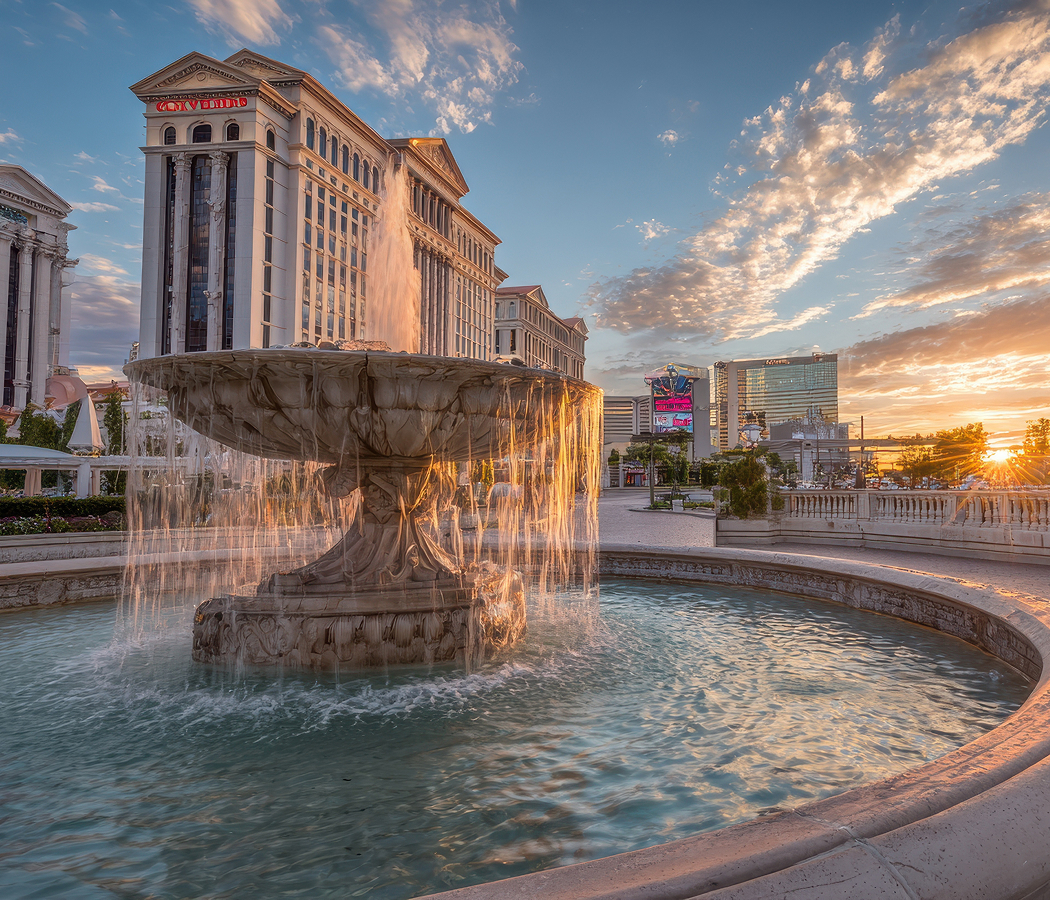
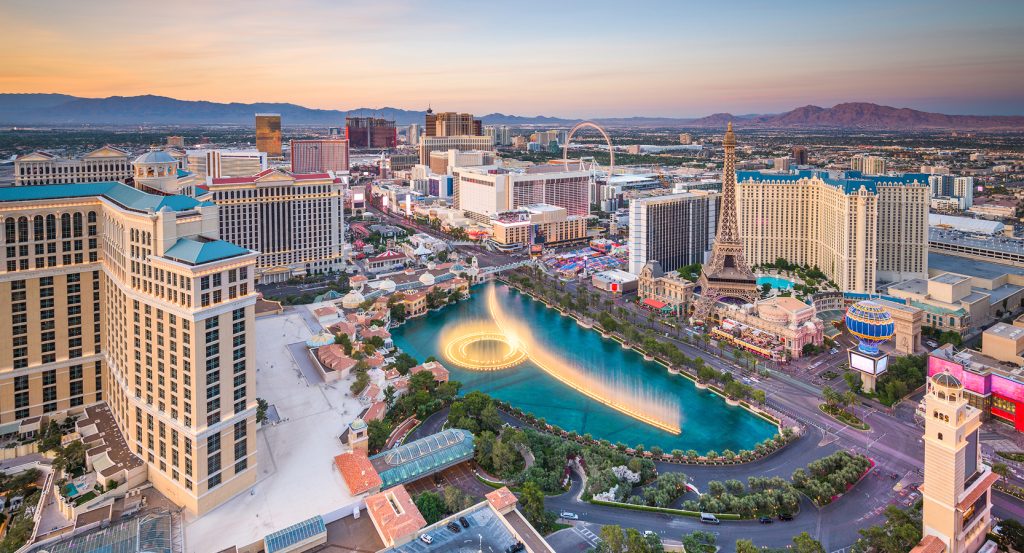
Running through Paradise between Summerlin South and the East Strip, the corridor connects internationally recognized resorts, business districts, healthcare campuses, neighborhood commerce, convention facilities, and established communities that collectively reflect decades of metropolitan expansion. Resort towers, reinforced-concrete office buildings, landscaped medians, engineered intersections, contemporary commercial centers, and broad multi-lane boulevards establish a streetscape where hospitality, commerce, healthcare, and regional mobility remain closely interconnected. Throughout the corridor, resort developers, architects, engineers, physicians, entrepreneurs, convention organizers, retailers, and business leaders have cultivated an environment defined by sustained private investment, architectural ambition, and long-term economic significance. The result is an experience distinguished by commercial prominence, architectural quality, and one of Paradise's defining corridors.
What defines Desert Inn Road.
Desert Inn Road is best known for taking its name from the Desert Inn, which opened in 1950 under Wilbur Clark before becoming one of the Las Vegas Strip's defining resort properties, while later development of Wynn Las Vegas in 2005 on the former Desert Inn site, continued expansion of Harry Reid International Airport, and growth surrounding the Las Vegas Convention Center established the corridor among Southern Nevada's foremost hospitality and commercial districts. Expansion accelerated alongside construction of the Interstate 15 interchange, continued investment near Sunrise Hospital and Medical Center, development of regional business campuses, and successive generations of resort construction that generated demand for healthcare facilities, corporate offices, hospitality suppliers, convention services, financial institutions, and commercial development throughout the corridor. Development introduced resort towers, medical facilities, office campuses, commercial centers, hospitality properties, and institutional buildings constructed with reinforced concrete, structural steel, high-performance glazing, architectural stone, insulated curtain wall systems, and engineered façade assemblies reflecting successive generations of Southern Nevada architecture. The corridor matured alongside resort operators, healthcare organizations, architects, engineers, convention organizers, financial institutions, retailers, construction firms, and regional developers whose continued investment established Paradise among the world's foremost centers for hospitality, healthcare, commerce, and professional services. Desert willow, blue palo verde, honey mesquite, creosote bush, Gambel's quail, mourning doves, and landscaped xeric vegetation continue contributing to the environmental character surrounding the roadway today. Collectively, these hospitality milestones, healthcare investments, engineering achievements, occupational traditions, architectural materials, and Mojave Desert landscapes establish Desert Inn Road as one of Paradise's defining commercial corridors.
Wynn Resorts reshaped the western portion of the corridor through construction of Wynn Las Vegas and Encore Las Vegas, reinforcing Desert Inn Road's international reputation for contemporary resort architecture and luxury hospitality. Roger Thomas, Marnell Corrao Associates, and HKS Architects contributed resort interiors, hospitality architecture, convention facilities, and commercial projects whose coordinated design language strengthened the corridor's architectural character across successive decades of development. Las Vegas Convention and Visitors Authority, Sunrise Hospital and Medical Center, and the Consumer Technology Association broadened the corridor's economic profile through destination marketing, advanced healthcare, and globally recognized trade exhibitions supporting continued investment throughout Paradise. Together, Wynn Resorts, internationally recognized architectural practices, leading healthcare institutions, and sustained private investment demonstrate how Desert Inn Road evolved into one of the world's foremost hospitality and commercial corridors.
How Desert Inn Road fits.
Desert Inn Road works as an exploration of Paradise through resort history, contemporary architecture, and cultural discovery.
Begin at Wynn Las Vegas, where refined architecture, commissioned artwork, botanical displays, and acclaimed dining introduce the remarkable transformation of the former Desert Inn property while establishing the boulevard's modern identity. Continue to Atomic Museum, where nationally significant exhibitions exploring the Nevada Test Site and the Atomic Age broaden the experience by connecting the city's hospitality era with Southern Nevada's scientific and military history before naturally leading toward the finale. Conclude at Sphere, where groundbreaking engineering, immersive visual technology, and innovative live productions provide a memorable finale reflecting the continuing spirit of reinvention that distinguishes Desert Inn Road. The progression moves naturally from resort heritage through regional history before culminating in a venue that represents the next generation of entertainment in Las Vegas.
Where your story begins.
Foresyte Travel reveals places that feel extraordinary long before you arrive.
Enjoy editorial crafted for luxury travelers.
Foresyte may earn a commission when you book.