
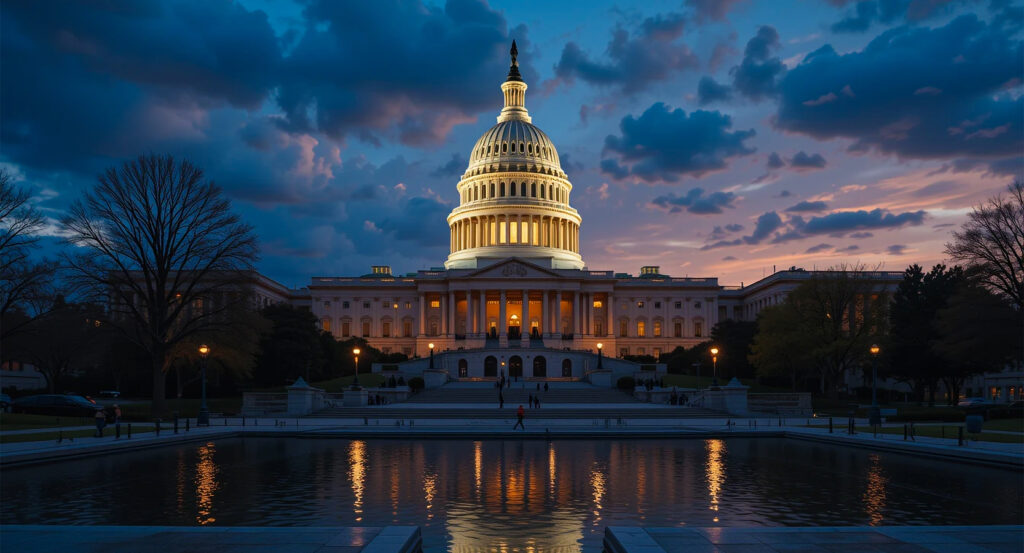
Why InterContinental Washington D.C. matters.
InterContinental Washington D.C. The Wharf is a defining waterfront hotel where the Southwest Waterfront's maritime renewal meets the capital's political history, public culture and transformation of the Potomac shoreline into a major urban destination.
Set along Wharf Street SW beside the Washington Channel, InterContinental Washington D.C. the Wharf occupies a prominent position between Maine Avenue, the Potomac River and the National Mall, with the Southwest Waterfront promenade extending along the water and the federal district rising north and east. Its modern glass-and-stone façade follows the geometry of the Wharf development, combining balconies, terraces and broad windows shaped by the riverfront setting. Guest rooms and suites face the channel, river, city or surrounding buildings, with upper floors providing views across boats, bridges, monuments and the Washington skyline. The hotel's public interiors create a transition from the active waterfront to restaurants, lounges, spa facilities and event rooms organized within the building. Wharf Street and Maine Avenue connect the property with marinas, theaters, restaurants, offices and public spaces, while nearby roads lead toward the National Mall, Capitol Hill and the historic neighborhoods of Southwest Washington. The Washington Channel remains the central geographic presence, carrying boats between the Potomac and the waterfront while reflecting the changing skyline and evening light. The property's location places visitors within walking distance of museums, memorials, government buildings and the cultural institutions of the federal city. The result is a substantial urban hotel whose architecture and setting connect Washington's political center with its renewed maritime waterfront.
What defines InterContinental Washington D.C.
InterContinental Washington D.C. The Wharf is a defining hospitality landmark of the capital's Southwest Waterfront redevelopment, connecting contemporary luxury architecture with one of Washington's most ambitious urban transformations. The hotel's origins belong to The Wharf, a $3.6 billion waterfront development conceived by Hoffman-Madison Waterfront, the partnership between Hoffman & Associates and Madison Marquette. The project sought to reconnect Washington with the Washington Channel through a comprehensive redevelopment of former commercial and industrial waterfront property, incorporating public promenades, residential buildings, cultural institutions, restaurants, marinas, and hotels. Construction began in 2014, following years of planning and negotiations involving the District of Columbia and private development interests. Carr Hospitality developed the InterContinental as a principal luxury component of the first construction phase, commissioning BBGM Architects to design a contemporary waterfront property. Clark Construction executed the 250,000-square-foot hotel, whose twelve-story structure incorporated expansive glazing, masonry surfaces, and a carefully articulated relationship with the surrounding pedestrian environment. The building's architectural composition reflected the redevelopment's broader objective of transforming the waterfront into an integrated urban district with substantial public access to the river. Its completion coincided with The Wharf's inaugural opening on October 12, 2017, establishing a major international luxury hospitality presence within the revitalized neighborhood. The hotel introduced a significant ceremonial component through its waterfront ballroom, whose floor-to-ceiling glass façade created an unusually direct visual connection between formal events and the Washington Channel. The development also strengthened the capital's convention and diplomatic hospitality infrastructure through substantial meeting facilities and an international service platform. The property's opening represented an important milestone for Carr Hospitality, extending the company's involvement in Washington's luxury hotel market into the emerging waterfront district. The Wharf's subsequent expansion culminated in October 2022, completing a mile-long redevelopment whose cultural and commercial activity substantially changed the character of Southwest Washington. InterContinental Washington D.C. The Wharf occupies an important position in the capital's contemporary architectural history, embodying the transformation of a historically working waterfront into a major center of international hospitality, public recreation, and metropolitan cultural life.
BBGM Architects' waterfront design establishes the hotel's distinctive hospitality character through an interpretation of Washington's maritime heritage, incorporating nautical references, industrial-inspired detailing, and expansive views of the Potomac River. The architectural approach connects contemporary metropolitan luxury with the working traditions of the Southwest Waterfront, giving the interiors a sense of place rooted in the district's historical relationship with river commerce. Floor-to-ceiling windows bring the changing light and movement of the Washington Channel into the principal gathering spaces, reinforcing the connection between the hotel's interior atmosphere and its waterfront setting. The rooftop infinity pool develops this relationship through an elevated perspective that brings the Washington Monument and the river into a single panoramic composition. WAVES, the adjoining rooftop bar, extends the poolside setting through cocktails and casual dining, introducing a resort-like dimension to the capital's urban hospitality culture. The Spa at The Wharf deepens this emphasis on waterfront restoration through a wellness concept introduced in 2021 in partnership with ISM Spa. Its treatment philosophy centers on personalized therapeutic care, incorporating massage, skincare, and restorative rituals within spaces oriented toward the river. The relationship between natural light, expansive water views, and individualized treatments gives the wellness program a distinctive character informed by the property's geography. Willowsong develops the hotel's culinary character through chef Jeffrey Williams' interpretation of Mid-Atlantic American cooking, drawing on the agricultural and maritime traditions of the Chesapeake region. His approach emphasizes seasonal relationships between regional farms, fisheries, wineries, and distilleries, connecting Washington's contemporary dining culture with the surrounding landscape's established food traditions. The kitchen's changing seasonal preparations give particular importance to ingredient freshness, balanced flavors, and the culinary possibilities created by the region's diverse agricultural production. The restaurant's waterfront setting reinforces this connection between regional cuisine and the maritime environment that has historically sustained the capital's commercial life. InterContinental's personalized hospitality philosophy brings these architectural, culinary, and wellness elements together through attentive service suited to international visitors, diplomatic travelers, and Washington's professional community. The result is a distinctive expression of contemporary waterfront luxury, shaped by maritime design, elevated recreation, regional gastronomy, and the renewed cultural character of Southwest Washington.
How InterContinental Washington D.C. fits.
InterContinental Washington D.C. The Wharf works as the starting point for an exploration connecting Washington's civil-rights history, its modern sculpture culture and the democratic architecture that shaped the federal capital.
Begin at National Museum of African American History and Culture, the Smithsonian institution on the National Mall where galleries, objects, documents and personal stories present African American history from slavery and emancipation through civil rights, cultural achievement and contemporary life. Its bronze-colored exterior creates a distinctive presence within the expansive landscape, while its collections connect national history with individual experience. The museum places Washington's political institutions within the longer struggle for citizenship, equality and representation. Its location near the Wharf makes the capital's civic and social history part of the same waterfront journey. Continue to Hirshhorn Museum and Sculpture Garden, the Smithsonian institution dedicated to modern and contemporary art where galleries, installations and outdoor sculpture occupy a circular building near the center of the National Mall. Its architecture creates a strong geometric presence within the expansive district, while its exhibitions examine modern artistic practice, technology, character and public space. The museum's sculpture garden brings art into an open landscape of trees, paths and civic buildings, connecting contemporary culture with Washington's formal urban plan. Its program demonstrates the city's role as a center for experimental art and public design. Conclude at Library of Congress, the expansive research library whose reading rooms, collections and decorative interiors preserve the intellectual history of the United States. Its buildings combine Beaux-Arts architecture, sculpture, murals and ornate public spaces, creating one of the capital's most elaborate civic interiors. The library's collections connect law, literature, politics, music and national memory within a building designed for public scholarship. Its position on Capitol Hill reveals the relationship between knowledge, government and democratic institutions. The progression moves from National Museum of African American History and Culture's civil-rights history through Hirshhorn Museum and Sculpture Garden's modern art and concludes at Library of Congress, where American scholarship, architecture and civic life meet in the federal capital.
Where your story begins.
Foresyte Travel reveals places that feel extraordinary long before you arrive.
Enjoy editorial crafted for luxury travelers.
Foresyte may earn a commission when you book.







































































































