
Why you should experience Le Méridien New York, Central Park in New York, NY.
Le Méridien New York, Central Park is a cinematic luxury hotel where Midtown's design pedigree, performing-arts heritage, gallery culture and polished metropolitan rhythm converge within a slender tower on one of Manhattan's most culturally concentrated streets.
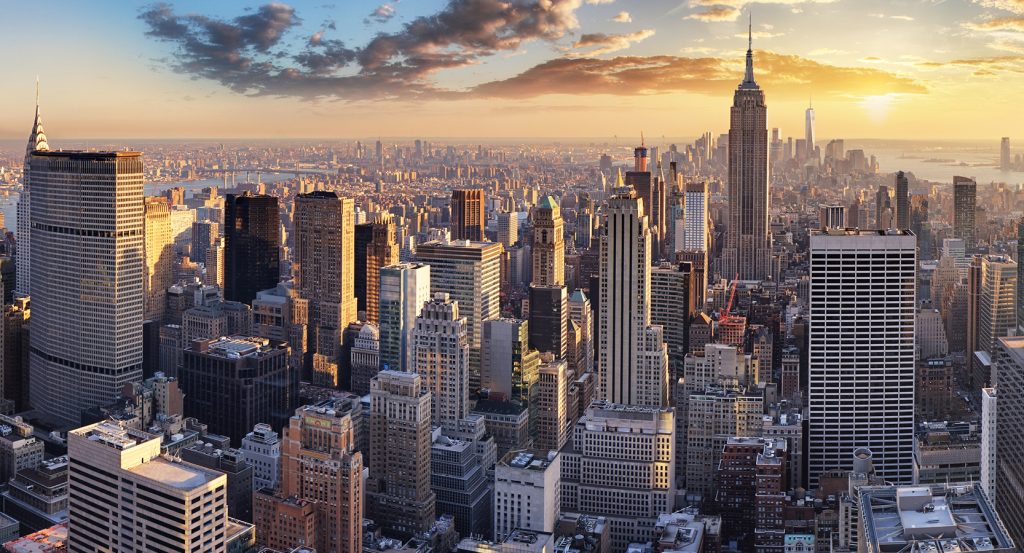
Set along West 57th Street near 6th Avenue and just steps from Carnegie Hall, the hotel occupies a purpose-built tower originally conceived as Viceroy New York, with architecture by Costas Kondylis and interiors by Roman and Williams, the studio founded by Robin Standefer and Stephen Alesch. Roman and Williams drew upon prewar Manhattan apartments, ocean liners and club interiors through blackened steel, brass, marble, leather and richly figured woods, establishing a tailored visual character that survived the property's later transition into Marriott International's Le Méridien portfolio. Guestrooms continue that material style through dark wood paneling, brass accents and deeply framed windows, while upper accommodations open toward Central Park above the dense vertical fabric of Midtown. The result is a hotel where Roman and Williams, Robin Standefer and Stephen Alesch channel Midtown's architecture and cultural confidence into an unusually intimate interpretation of the West 57th Street hotel.
What you should know about Le Méridien New York.
Le Méridien New York, Central Park is best known for entering Marriott International's Le Méridien portfolio in 2019 after operating as Viceroy New York, preserving a 29-story, 240-room hotel originally developed by Ark Partners and designed with architecture by Costas Kondylis and interiors by Roman and Williams. Robin Standefer and Stephen Alesch conceived the interiors through a material palette of marble, blackened steel, brass, leather and wood, drawing references from Manhattan's prewar residential buildings and twentieth-century travel culture while custom furniture reinforced the studio's highly authored approach. The 120 West 57th Street tower rises 330 feet, with its narrow profile concentrating guestrooms vertically and creating northern sightlines toward Central Park from upper floors and terraces. Marriott's conversion placed that architecture within Le Méridien, the hospitality brand established by Air France in Paris in 1972 and subsequently expanded internationally before entering Marriott's portfolio through the Starwood acquisition. The 240-room program, 29-story vertical composition, Costas Kondylis architecture, Roman and Williams interiors and transition from Viceroy to Le Méridien connect the property with successive chapters of New York hotel development and international hospitality branding.
Gerber Group shaped the building's original social character through Kingside, collaborating with chef Marc Murphy on a ground-floor restaurant whose American menu joined the company's New York nightlife portfolio inside Roman and Williams's interiors. Gerber Group also operated the original rooftop bar, allowing the upper level's Central Park sightlines to function as a social counterpart to Kingside before the hotel's later hospitality transition introduced new concepts. Paris Bar NYC now carries Le Méridien's French lineage into the ground floor through a brasserie format, while Le Jardin Rooftop extends the current culinary program above West 57th Street with cocktails, light dishes and views toward Central Park. Together, Gerber Group, Marc Murphy, Paris Bar NYC and Le Jardin Rooftop trace the building's evolving restaurant character across two hotel eras while preserving the architectural relationship between street-level dining and the elevated social space conceived for the tower.
How to fold Le Méridien New York into your trip.
Le Méridien New York, Central Park works as the anchor for an afternoon tracing modern art, concert culture and twentieth-century design through the institutions surrounding West 57th Street.
Begin at Museum of Modern Art, founded by Abby Aldrich Rockefeller, Lillie P. Bliss and Mary Quinn Sullivan and developed into an institution spanning painting, sculpture, photography, film, architecture and design, with architectural chapters involving Philip Johnson, Yoshio Taniguchi and Diller Scofidio + Renfro. Continue to Carnegie Hall, where Andrew Carnegie commissioned architect William Burnet Tuthill to create a concert auditorium whose opening brought Pyotr Ilyich Tchaikovsky to New York and whose celebrated acoustics subsequently attracted generations of composers, orchestras and soloists. Conclude at Museum of Arts and Design, whose collection explores craft, materials and contemporary design from its Columbus Circle home, extending the sequence from modernist experimentation through musical authorship into the evolving relationship between artists, designers and material production. The progression moves from MoMA's century-spanning modernist canon through Tuthill's architecture for Carnegie Hall into the material culture explored by Museum of Arts and Design, revealing the concentration of art, music and design that gives Le Méridien New York, Central Park its particular Midtown context.
Where your story begins.
Foresyte Travel reveals places that feel extraordinary long before you arrive.
Experience premium editorial crafted for luxury travelers.







































































































